
Let's cut to the chase: Your company is competing for the same shrinking talent pool as everyone else. Traditional recruitment pipelines aren't delivering the tech-savvy, digitally-native workforce you need. Meanwhile, the answer might be sitting in high school esports programs across America: if you know how to tap into it.
Fortune 5000 companies are quietly building sophisticated talent funnels through high school esports, and the results speak for themselves. These aren't feel-good community initiatives: they're strategic workforce development programs that identify and cultivate future employees years before graduation.
Here's your executive playbook for doing the same.
Step 1: Establish Dedicated Esports Infrastructure in Target Communities
The foundation of any successful talent pipeline starts with physical presence. Leading companies are investing in dedicated esports facilities equipped with professional-grade technology that serves as both a recruitment hub and a brand touchpoint.
Consider this: One Fortune 500 initiative established a regional esports center with 60 high-end gaming PCs, partnering with all 17 high schools in their target area. The result? 400 students monthly gaining hands-on experience with cutting-edge technology: on your branded equipment, in spaces bearing your company name.
The strategic advantage here is threefold. First, you're creating consistent touchpoints with high school talent over multiple years, not just during recruiting season. Second, you're demonstrating your company's commitment to innovation and gaming culture: a massive credibility boost with Gen Z talent. Third, you're generating goodwill with school administrators and parents who view this as legitimate career preparation.
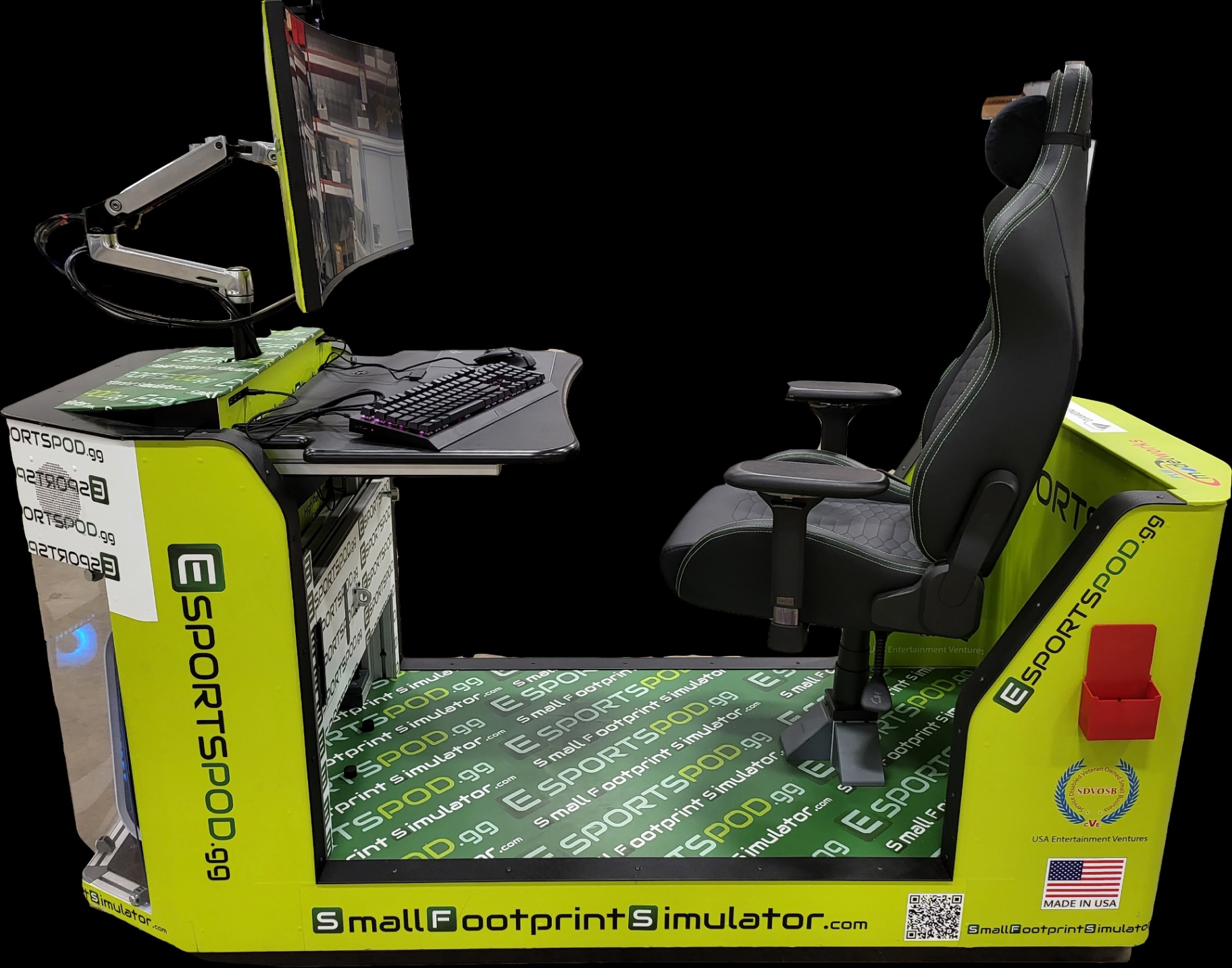
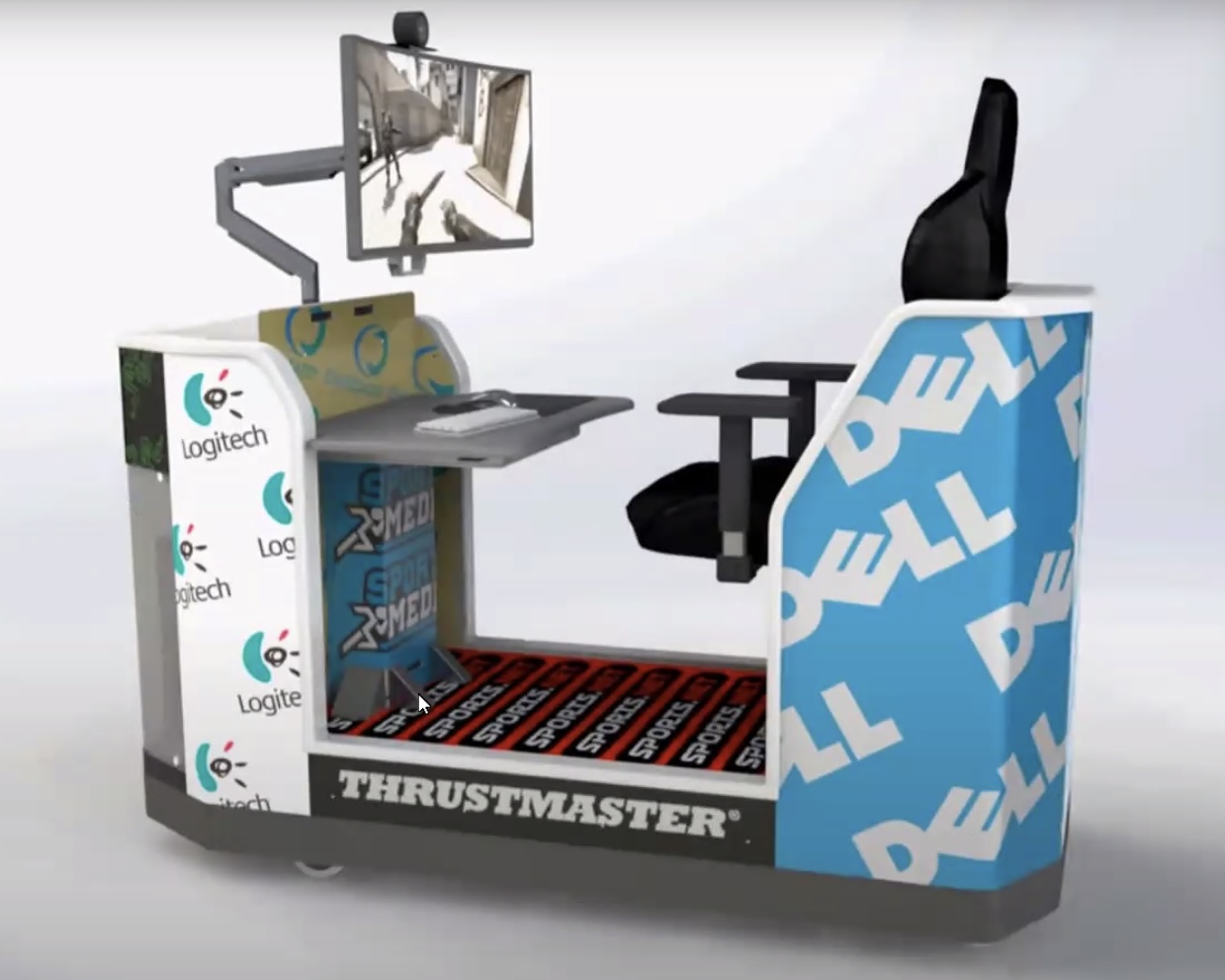
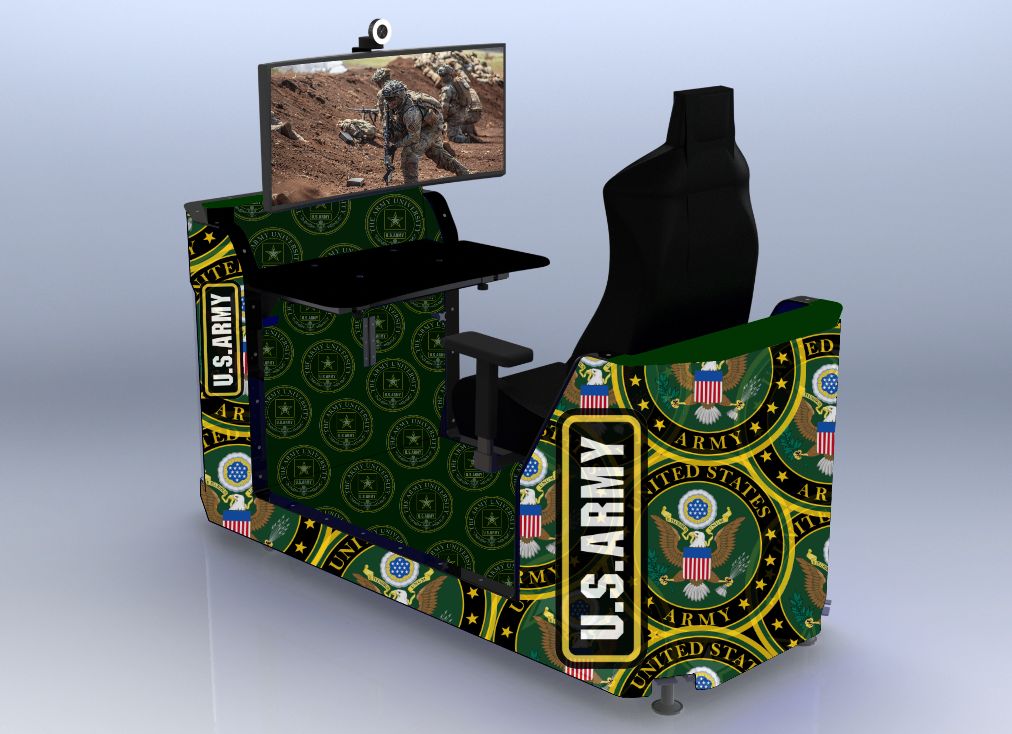
The EsportsPod Advantage: Rather than building expensive standalone facilities, forward-thinking companies are deploying modular, branded EsportsPod stations that deliver professional gaming experiences at a fraction of traditional infrastructure costs. These customizable pods can be deployed across multiple schools simultaneously, maximizing your geographic reach while maintaining brand consistency.
Step 2: Build Multi-Stakeholder Partnership Ecosystems
Here's where most companies miss the mark: they approach esports talent development as a solo venture. The smartest players in this space are building collaborative ecosystems with approximately 90+ community partners, including local businesses, economic development councils, and educational institutions.
Why does this matter? Because a coordinated approach validates esports as legitimate workforce infrastructure, not just another corporate sponsorship. When your company partners with city governments, chambers of commerce, and regional employers, you're creating a talent development system that benefits everyone: making your investment more defensible to your board and more impactful in communities.
This ecosystem approach also exponentially expands your talent identification reach. Instead of limiting recruitment to students you directly engage, you gain insight into talent across an entire regional network. Other partner companies become talent spotters, and vice versa.
Key Partnership Targets:
- City economic development offices (position esports as workforce development)
- Regional chambers of commerce (demonstrate ROI to local economy)
- Community colleges and technical schools (create articulation pathways)
- Complementary Fortune 5000 companies (non-competitive industries)
- Local marketing agencies and event production companies (skill development partners)
Step 3: Create Hands-On Professional Experience Programs
Gaming skills alone don't create career-ready employees. The differentiation in successful programs comes from integrating students into real professional workflows alongside your business teams.
Leading companies are embedding high school students in marketing departments, partnership development teams, live event production crews, and broadcasting operations. Students aren't just playing games: they're learning project management, client relations, content creation, data analytics, and public speaking.
This approach serves dual purposes. Students develop immediately transferrable skills that align with your company's actual hiring needs, while your teams get to evaluate talent over extended periods in low-risk environments. By the time these students graduate, you know exactly who can contribute from day one.
High-Impact Experience Areas:
- Social Media & Content Creation: Students manage tournament livestreams, create highlight reels, and build audience engagement
- Event Production: Hands-on involvement in tournament logistics, technical setup, and live broadcast coordination
- Sponsorship Activation: Working with your partnerships team to activate brand presence at events
- Data Analytics: Analyzing player statistics, viewership metrics, and engagement data
- Community Management: Moderating Discord servers, responding to inquiries, building online communities
Step 4: Secure City-Level Strategic Positioning
This is the executive-level play that transforms esports from a marketing line item into a strategic workforce initiative: securing formal recognition from city governments and economic development councils.
Forward-thinking companies are working with municipal leaders to position esports infrastructure as economic development: comparable to establishing technical training centers or innovation hubs. This elevates your investment from discretionary spending to essential community infrastructure.
The practical benefits are substantial. Cities may provide facility space, co-funding opportunities, or regulatory support. More importantly, this positioning gives your talent pipeline efforts legitimacy with parents, educators, and community leaders who might otherwise view gaming skeptically.
When esports is recognized as workforce development infrastructure by city governments, your program becomes embedded in regional economic planning. That's staying power that survives leadership changes and budget scrutiny.
Strategic Positioning Framework:
- Present data showing correlation between gaming skills and technical competencies
- Demonstrate economic impact through local spending and job creation
- Align with existing workforce development priorities (STEM, digital literacy, technical skills)
- Showcase partnership diversity (schools, businesses, nonprofits working together)
- Quantify talent retention (students staying in region post-graduation)
Step 5: Align Esports Investment with Core Talent Acquisition Strategy
Here's the fundamental insight driving successful programs: technically innovative companies need gamers as employees. Full stop.
The companies winning in this space aren't running esports programs because they're trendy or generate positive PR. They're doing it because their workforce needs: cybersecurity analysts, software developers, UX designers, data scientists, digital marketers: map directly to skills developed through competitive gaming and esports ecosystem participation.

This alignment transforms everything. Your esports investment stops being a community relations initiative and becomes a legitimate HR pipeline strategy. That means consistent funding, executive sponsorship, and integration with your broader talent acquisition operations.
The most sophisticated companies are creating direct pathways from high school esports programs to internships, apprenticeships, and entry-level positions. They're tracking participants through hiring systems, measuring conversion rates, and calculating cost-per-hire comparisons against traditional recruitment methods.
Integration Checklist:
- HR System Integration: Track esports participants in your talent database from initial contact
- Internship Pipeline: Create reserved internship slots for program participants
- Scholarship Programs: Offer educational support tied to future employment commitments
- Mentorship Connections: Pair students with employees in relevant technical roles
- Skills Mapping: Formally document how gaming competencies translate to job requirements
- Recruiting Metrics: Measure esports pipeline performance against other talent sources
The Bottom Line for Executives
Building a high school esports talent pipeline isn't experimental anymore: it's strategic workforce planning for digitally native industries. The companies establishing these programs now are securing preferential access to the technical talent that will define competitive advantage over the next decade.
The barriers to entry are lower than you think. You don't need to build standalone facilities or hire dedicated esports staff immediately. Start with modular infrastructure like EsportsPod stations that can scale with your program, leverage existing community partnerships, and align tightly with your actual hiring needs.
The question isn't whether esports represents a viable talent pipeline. The research and Fortune 5000 case studies prove it does. The question is whether your company will establish position in this channel before your competitors do.
Ready to explore how EsportsPod can accelerate your talent pipeline strategy? Visit our website to see how leading companies are deploying scalable esports infrastructure that delivers measurable workforce development results.
The talent you need in 2030 is in high school today. The only question is whose brand they'll be wearing when they graduate.