

Let’s be honest: the traditional recruiting model is broken. If your strategy for finding top-tier technical talent involves waiting for a college senior to post their resume on LinkedIn, you’re already four years too late. The "war for talent" has shifted, and the most forward-thinking Fortune 5000 executives aren't just looking for talent anymore: they are building it.
At EsportsPod, we see this gap every day. Companies are desperate for cloud architects, cybersecurity experts, and data scientists, yet high schools are often still teaching outmoded curriculum. The skills gap isn't just a "HR problem"; it’s a massive bottleneck to innovation and scale.
So, how do you fix it? You go to the source. You build a talent funnel that starts in high school, using the one thing that every student is already obsessed with: gaming and simulation.
Here is your five-step executive guide to building a high school talent funnel that doesn't just fill seats but revolutionizes how you view workforce development.
1. Establish Physical and Digital Infrastructure
You can’t recruit from a distance and expect high-fidelity results. To truly capture the imagination and the loyalty of the next generation, your brand needs a physical presence in the places where they spend their time.
Traditional career fairs are a "one-and-done" interaction. To build a funnel, you need consistent touchpoints. This starts with dedicated learning environments: physical infrastructure like our custom EsportsPods. These aren’t just gaming stations; they are high-tech hubs branded with your company’s identity.
When a student spends their elective hours inside a pod branded by your organization, they aren't just playing a game; they are associating your brand with high-performance technology and future career paths.
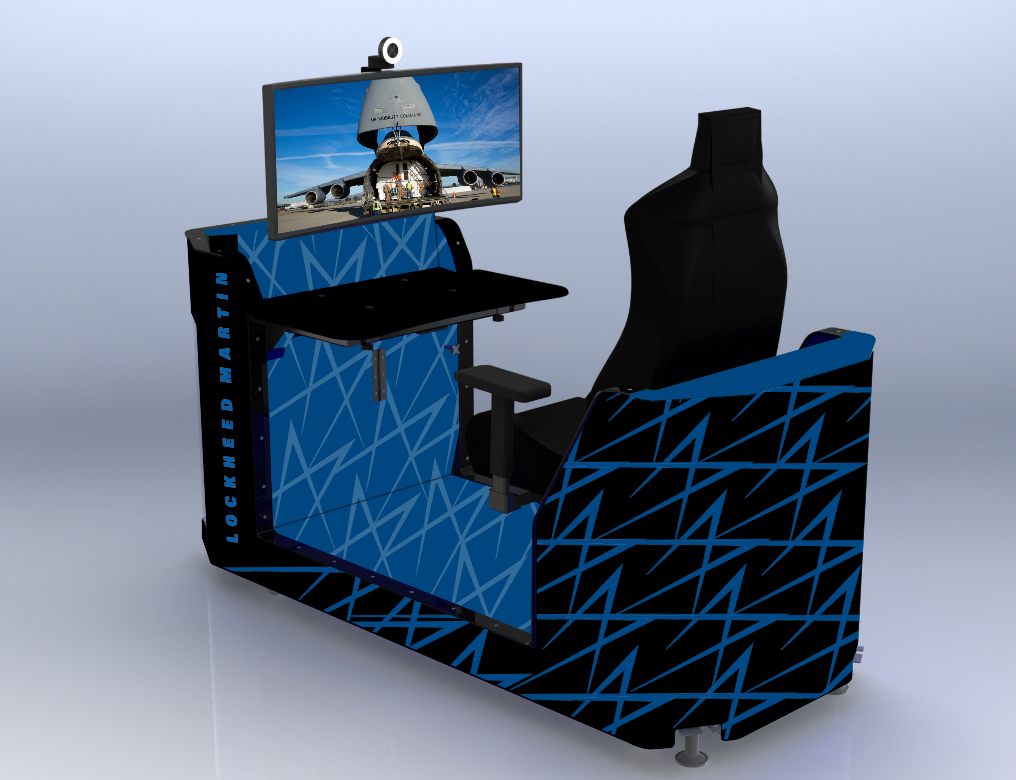
By integrating these pods into high schools, you create a daily billboard for your company. But it’s more than just advertising. It’s about providing the tools: the hardware, the cloud connectivity, and the simulation environments: that allow them to bridge the gap between "gamer" and "professional." This physical footprint, combined with a digital engagement platform (like webinars or virtual job shadowing), eliminates geographic barriers and builds long-term brand equity during a student's most formative years.
2. Design Structured Learning Pathways Aligned to Your Needs
Gaming is the "hook," but the career is the goal. A high school talent funnel only works if the activities students are engaged in align with your actual workforce needs.
Executives should work to develop multi-year progressions. Imagine a student’s journey:
- Freshman Year: Introduction to high-performance computing and basic networking through esports.
- Sophomore Year: Exploring cybersecurity through simulation-based challenges.
- Junior Year: Engaging with cloud architecture and data analytics platforms within the pod environment.
- Senior Year: Participating in an internship or a specialized apprenticeship.
This isn’t about changing the school’s entire curriculum overnight. It’s about consulting with schools to ensure their computer science and STEM tracks are relevant to today’s tech stack. When you provide the pathway, you ensure that the talent coming out of the funnel already speaks your language. They understand your technology, your values, and your culture before they ever sign an offer letter.

3. Assess Skills Through Real Projects, Not Credentials
If you are still hiring based solely on GPA or a college degree, you are missing out on some of the brightest minds in the country. We’ve seen high schoolers build complex machine learning models and manage massive server environments for their esports teams.
A high-level strategy for executives is to shift from credential-based hiring to project-based assessment.
How do you do this at scale?
- Project-Based Challenges: Host coding or simulation competitions within the pods.
- Portfolio Development: Encourage students to document their "builds" and "strategies."
- Direct Interaction: Use career panels and mentorship programs to observe how students solve problems in real-time.
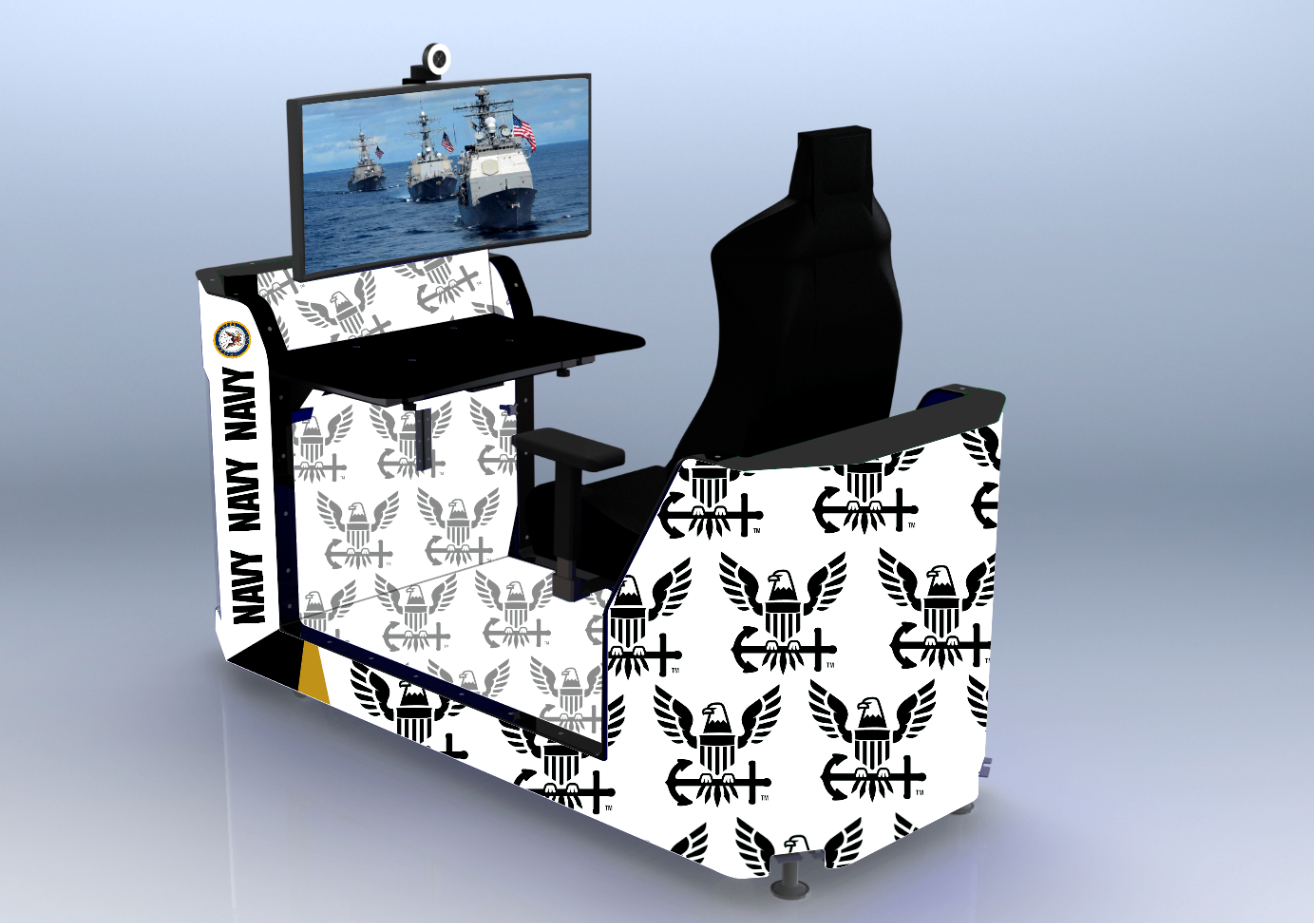
A student who has spent four years mastering flight simulation in a Navy-branded pod, for example, has developed spatial awareness and technical troubleshooting skills that a traditional transcript will never show. By the time they reach their career entry point, you already have a four-year data set on their capabilities.
4. Assign Dedicated Program Ownership and Define Success Metrics
One of the biggest mistakes Fortune 5000 companies make is "bolting on" high school engagement to an existing, overworked campus recruiting team. If you want a talent funnel that actually delivers ROI, it needs a dedicated leader, a dedicated budget, and its own set of KPIs.
You wouldn't launch a new product line without a product manager; don't launch a talent funnel without a Program Owner. This individual's job isn't just to "visit schools." Their job is to manage the ecosystem between your brand, the school administrators, and the students.
What metrics should you track?
- Early Stage: Number of schools partnered, student engagement hours within the pods, and certification completion rates.
- Mid-Stage: Transition rates from high school programs into your corporate internships.
- Long-Term: Conversion from internship to full-time hire, retention rates of "funnel-grown" employees, and the overall reduction in cost-per-hire compared to traditional headhunters.
When you track these metrics, you start to see the funnel not as a "community outreach" project, but as a strategic asset. You are also building a community of Fanz®: enthusiasts who are loyal to your brand from day one.
5. Start with Pilot Programs and Scale Based on Validated ROI
You don’t need to partner with 500 schools on day one. In fact, you shouldn't. The most successful executive strategies start with a focused pilot program.
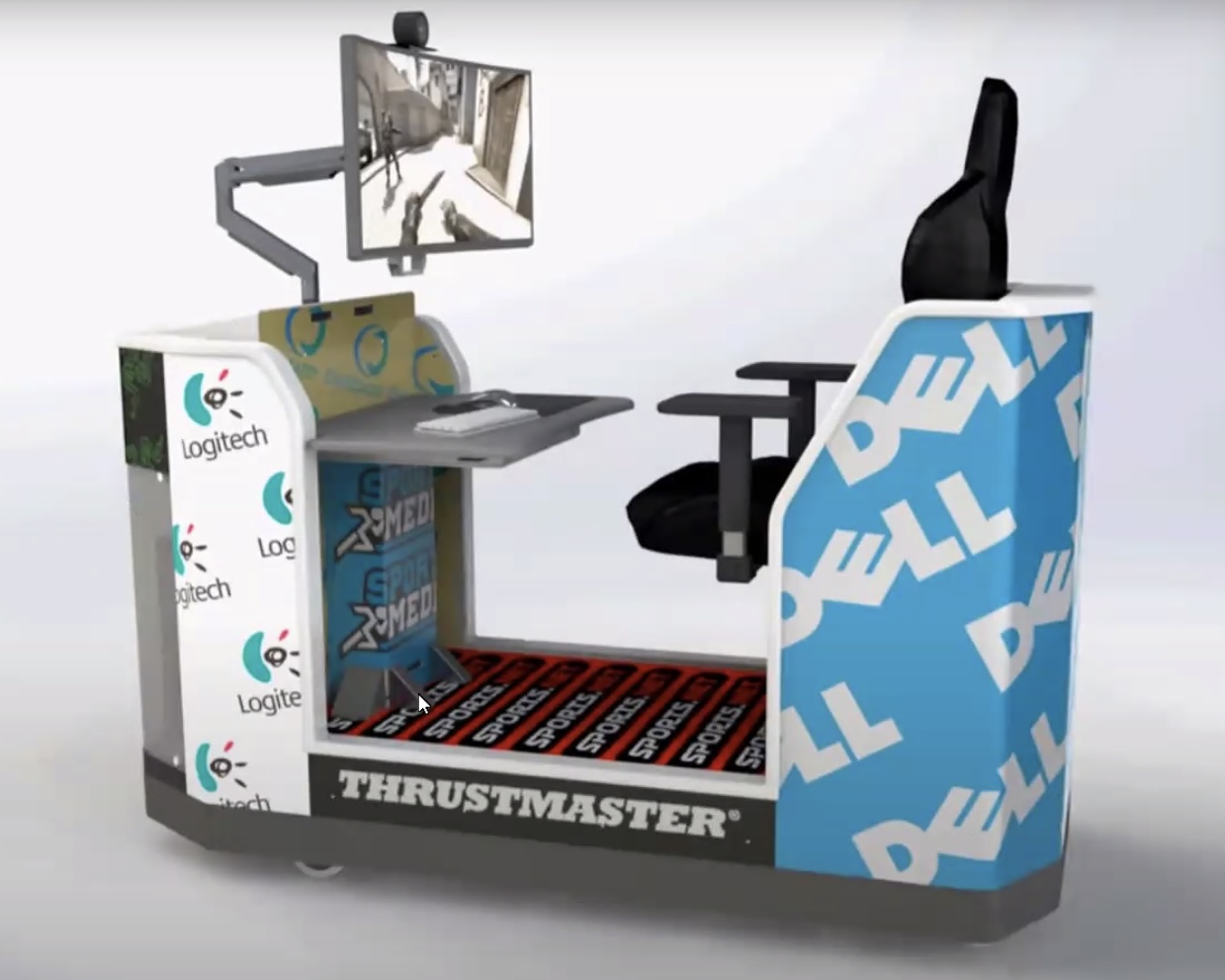
Select 2 or 3 high schools in key talent markets: perhaps near your corporate headquarters or major regional hubs. Deploy a few Mobile Esports Gaming Pods or permanent installations and run a 6-to-12-month pilot.
During this phase, your goal is to validate the ROI. Are students engaging? Are they learning the skills you identified in Step 2? Is the brand sentiment positive? Once you have the data to prove that this model reduces the long-term cost of talent acquisition, you scale.
Scaling becomes easy because you’ve created a "plug-and-play" model. You have the pods, you have the curriculum, and you have the metrics. Now, you’re not just a company looking for employees; you’re an organization leading a national movement to close the skills gap.
Why This Matters Now
The landscape of work is changing faster than our education system can keep up. There is an exciting opportunity right now for companies to take the lead. By investing in the high school talent funnel today, you aren't just filling a vacancy for 2026; you are securing your workforce for the next decade.
Think about the exclusivity and access this provides. When you place your brand inside a high school through an EsportsPod, you have direct, daily access to the brightest young minds in the country. You are building a pipeline that your competitors can’t touch because you were there first.
Why wait for the "War for Talent" to reach your doorstep? Why not win it before it even begins?
At EsportsPod, we specialize in helping Fortune 5000 executives navigate this transition. We provide the infrastructure, the branding, and the strategy to help you maximize your exposure and build a world-class talent funnel.
The future of recruitment isn't a job board. It’s an ecosystem. And that ecosystem starts in the pod.
Ready to revolutionize your talent acquisition?
Explore our Global Esports initiatives or check out our latest products to see how we can bring your brand to the next generation of talent. Let's build the future together.