

Let's be honest: your competitors are fishing in the same talent pool you are. University career fairs, LinkedIn recruiting, industry conferences: everyone's fighting over the same fully-formed professionals and fresh graduates. But what if you could identify, cultivate, and brand your company to top talent years before they make their first career decision?
That's not hypothetical. Forward-thinking Fortune 5000 companies are already doing it, and they're using an unexpected channel: high school esports programs powered by EsportsPods.
The Talent Pipeline Problem Nobody's Talking About
Here's the uncomfortable truth: by the time a student reaches your university recruiting booth, they've already formed opinions about careers, industries, and employers. They've been influenced by peers, parents, media, and whatever tech giants have the loudest marketing presence. You're not cultivating talent at that point: you're competing for it.
Traditional talent acquisition operates on a reactive model. You wait until candidates are job-ready, then compete fiercely (and expensively) to secure them. Meanwhile, the best talent often gets snapped up before they even hit the open market.
The solution? Build your pipeline earlier. Much earlier.
Why High School Represents Your Strategic Advantage
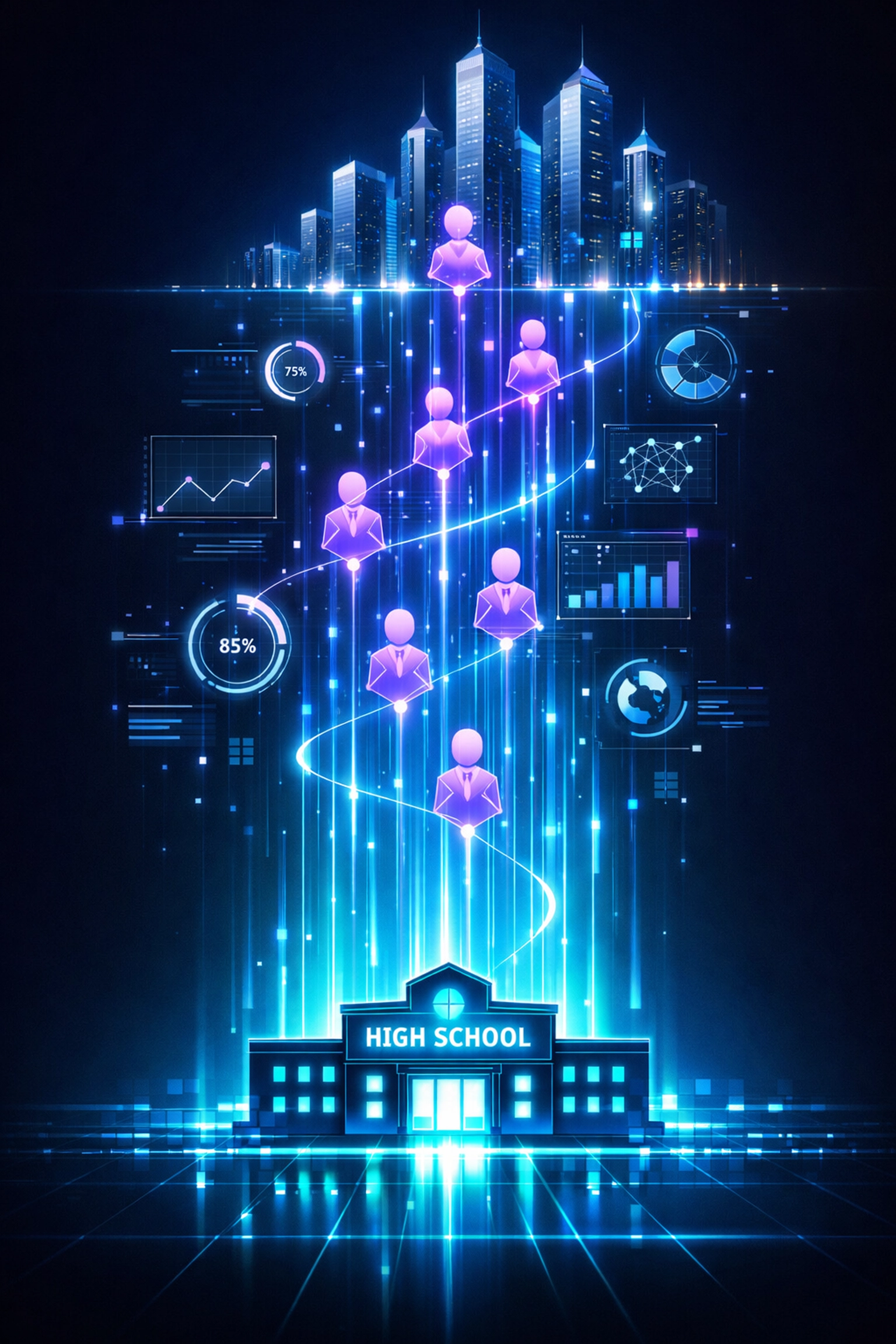
High school partnerships create a fundamentally different talent equation. Instead of competing for already-formed candidates, you're identifying emerging talent with natural aptitude and genuine interest before they're channeled into traditional educational pathways that may not align with your needs.
Consider this: a high school sophomore demonstrating exceptional abilities in technical problem-solving, strategic thinking, or digital collaboration represents a multi-year cultivation opportunity. You can influence their educational trajectory, introduce them to your industry, and build authentic brand recognition: all while your competitors are still planning their next campus recruiting day.
The advantages compound:
Direct Curriculum Influence: Rather than hoping educational institutions teach relevant frameworks, you participate directly in education. Students gain exposure to actual technologies, methodologies, and career pathways used in your organization.
Authentic Brand Building: You create positive associations with your brand among future talent years before they make career decisions. When that student is ready to enter the workforce, your company isn't just another name: it's a trusted partner they've worked with for years.
Natural Aptitude Identification: You spot raw talent before formal credentials matter. A student who excels in competitive team-based strategy gaming might be your next operations analyst. Someone dominating technical esports titles could have natural cybersecurity instincts.
Cost Efficiency: Early talent cultivation costs a fraction of competitive university recruiting, executive search firms, or high-stakes poaching from competitors.
The Esports Connection: Where Engagement Meets Development
Here's where it gets interesting. Esports in high schools isn't just entertainment: it's a structured competitive environment that develops exactly the skills Fortune 5000 companies need most.
Competitive gaming requires:
- Strategic thinking and rapid decision-making under pressure
- Team coordination and communication across distributed groups
- Technical proficiency with complex digital systems
- Performance analytics and data-driven improvement
- Resilience and adaptability in dynamic environments
Sound familiar? These are the core competencies driving success in modern business environments, from cybersecurity to logistics, from data analytics to crisis management.
High school esports programs are exploding nationwide. Colleges are now actively recruiting high school esports players, offering scholarships for skilled competitors. Some facilities already partner with multiple high schools: one example brings 400 students monthly from 17 different schools to practice and compete.
The infrastructure is there. The engagement is there. The talent pipeline is flowing.
The question is: Are you tapping into it?
How EsportsPods Transform Engagement into Recruitment
This is where strategy meets execution. EsportsPods provide the physical infrastructure that transforms abstract workforce development concepts into tangible, scalable programs.
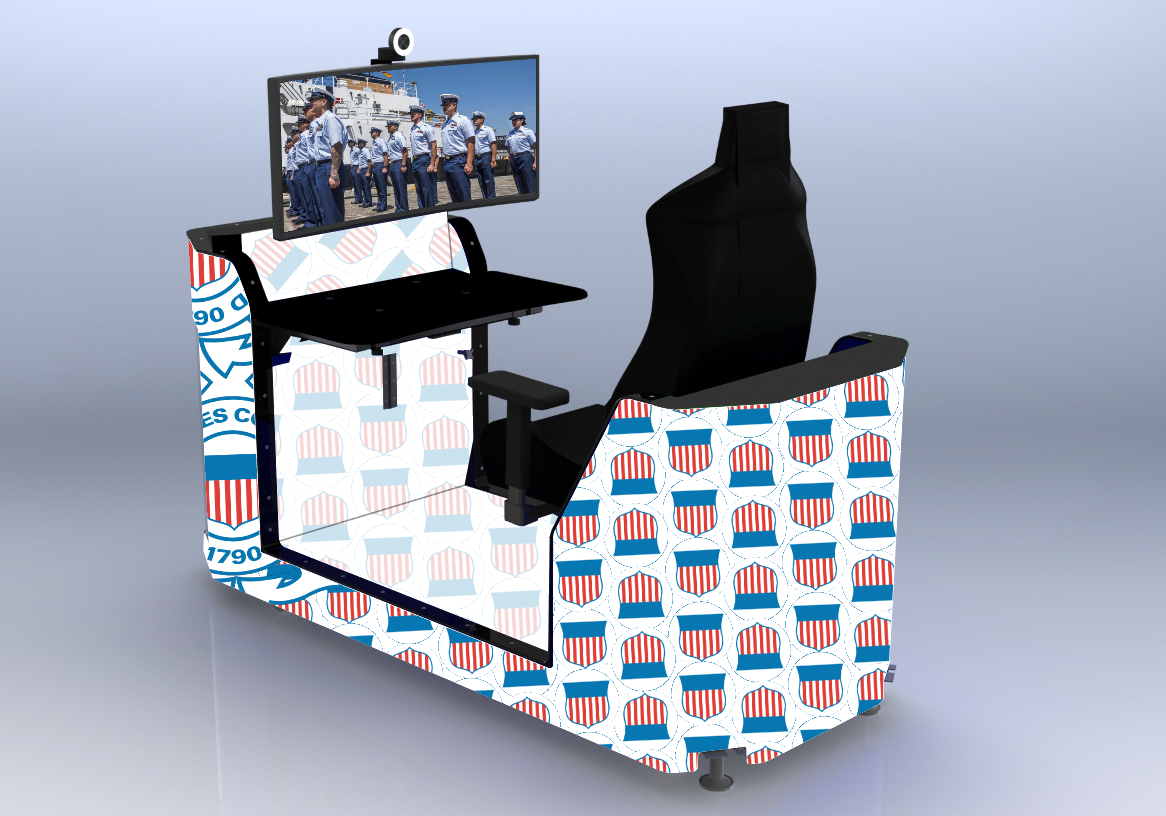
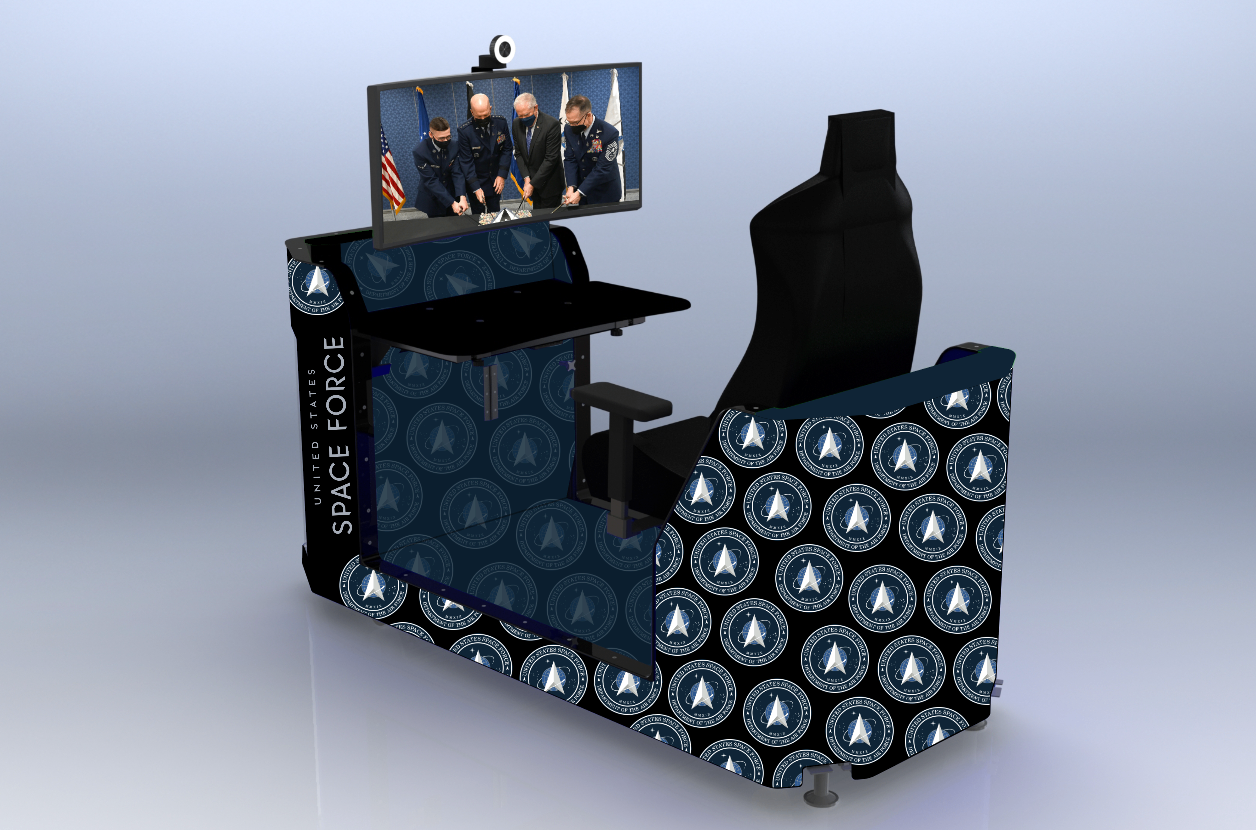
Think of an EsportsPod as your branded talent cultivation station. These aren't just gaming setups: they're professionally designed, fully equipped simulation and competition environments that can be deployed in high schools, community centers, and educational facilities.
Each pod features:
- Professional-grade ergonomic seating and equipment
- High-performance displays and computing capabilities
- Customizable branding opportunities featuring your company's identity
- Simulation software that can mirror real-world professional scenarios
- Integration with competitive esports leagues and programs
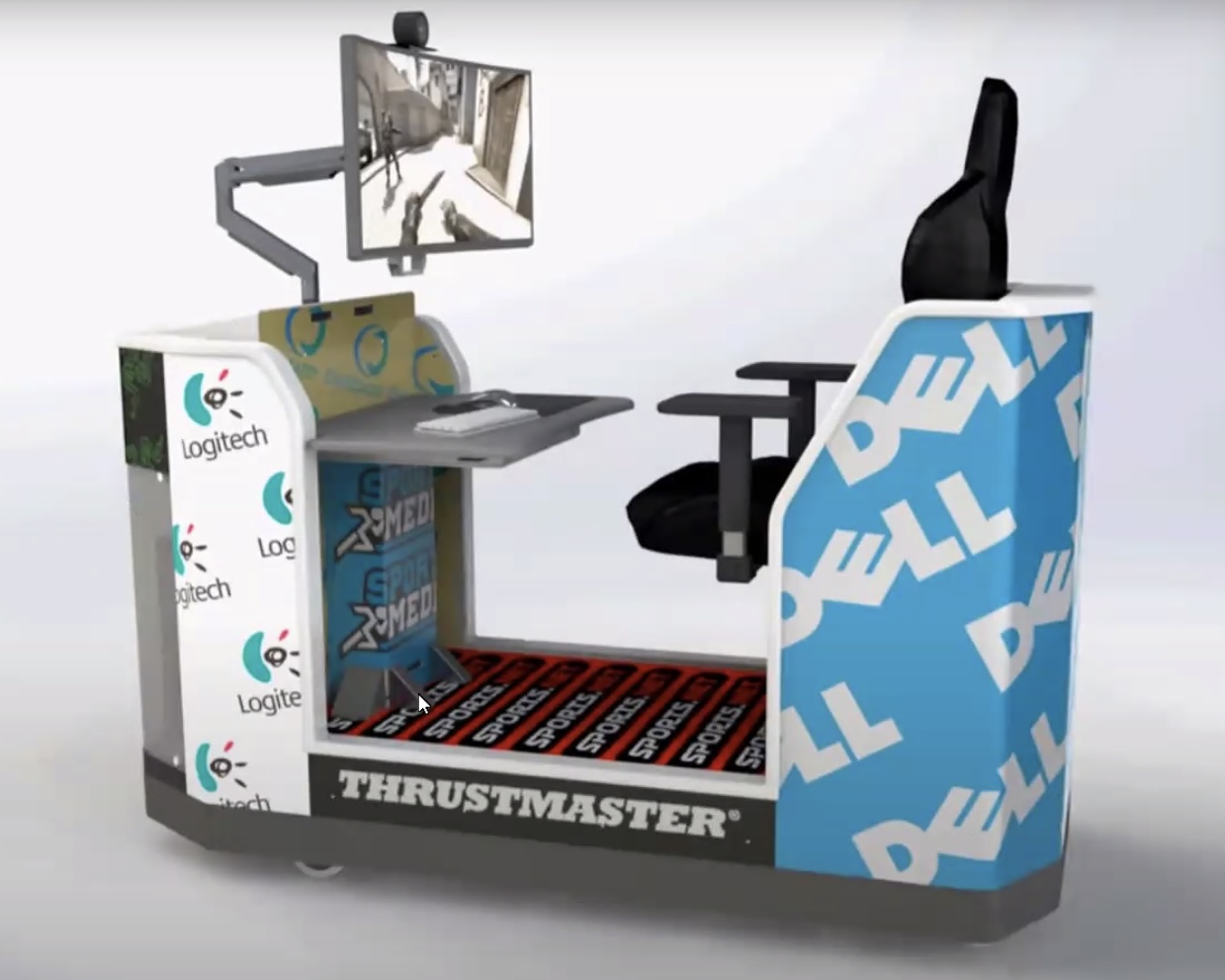
Here's the strategic play: You sponsor EsportsPods in high schools within your talent recruitment geography. Students use these branded stations daily: competing, learning, developing skills. Your company logo isn't an advertisement; it's part of their educational journey.
But it goes deeper. These pods can run simulations relevant to your industry. Military branches already use customized pods featuring career pathway content. Tech companies can integrate coding challenges. Financial firms can deploy market simulation scenarios. Logistics companies can use strategy games that mirror supply chain management.
You're not just building brand awareness. You're identifying high-potential talent, introducing them to your industry, and creating a relationship years before traditional recruitment begins.
The Fortune 5000 Implementation Model
Let's get tactical. How do leading organizations actually execute this?
Phase 1: Strategic Placement
Deploy EsportsPods in high schools within your talent recruitment regions. Target areas aligned with your facility locations, remote work programs, or strategic expansion plans. Start with 10-20 pod deployments as a pilot program.
Phase 2: Program Integration
Don't just drop equipment and leave. Partner with schools to integrate pods into:
- After-school programs and clubs
- Career and technical education (CTE) curricula
- STEM initiatives and competitions
- Summer programs and workshops
Phase 3: Talent Identification
Use competition results, participation metrics, and teacher recommendations to identify high-potential students. Create scholarship programs, internship tracks, or mentorship opportunities for top performers.
Phase 4: Cultivation Pipeline
Develop a structured pathway from high school exposure to internships to full-time employment. Many students won't be workforce-ready for 4-6 years: that's perfect. You're building a long-term pipeline, not filling immediate vacancies.
Phase 5: Measurement and Optimization
Track student engagement, skill development, program participation, and eventual conversion to internships and employment. Refine based on data.
The ROI That Matters
Let's talk numbers. Traditional university recruiting costs range from $3,000-$5,000 per hire when accounting for career fair expenses, campus visits, interviewer time, and offer packages. Executive search firms charge 20-35% of first-year salary. Employee poaching often requires 20-30% compensation increases.
Compare that to sponsoring an EsportsPod program reaching hundreds of students annually for a fraction of those costs.
But the real ROI isn't just financial: it's strategic:
- Earlier access to talent before competitors engage
- Better cultural fit through years of brand exposure
- Reduced turnover among employees who've had long-term relationships with your organization
- Enhanced employer brand as an innovative, education-focused company
- Community goodwill supporting education and youth development
You're also future-proofing your workforce. The skills developed through competitive gaming and simulation: rapid decision-making, team coordination, technical proficiency: are increasingly valuable as businesses become more digital, distributed, and data-driven.
The Competitive Window Is Closing
Here's the reality: this opportunity won't last forever. Early movers in high school esports partnerships will establish relationships, brand recognition, and talent pipelines that create sustainable competitive advantages.
Schools have limited space and partnership capacity. Students develop loyalties to companies that support their educational journey. Once your competitor sponsors the pods at the top high schools in your region, you've lost that positioning.
The question isn't whether high school talent cultivation will become standard practice: it's whether you'll be leading or following when it does.
Taking the First Step
Building a high school talent pipeline through EsportsPods doesn't require revolutionary change to your recruitment strategy. It's an addition to your existing programs: one that pays dividends for years before your competitors even understand what's happening.
Start by identifying high schools in your strategic talent regions. Connect with administrators about career and technical education partnerships. Explore EsportsPod deployment options that align with your branding and program goals.
The talent you'll compete for in 2032 is sitting in a high school classroom right now. Are you building that relationship today, or waiting until they're another resume in your overstuffed applicant tracking system?
Your next generation of talent is ready. The infrastructure exists. The only question is whether you'll claim your position in the pipeline: or let your competitors do it first.