

Here's the uncomfortable truth keeping HR executives and talent acquisition leaders up at night: your next generation of qualified candidates isn't showing up to interviews. They're not browsing Indeed or LinkedIn. And the traditional recruitment playbook? It's hemorrhaging money while your competitors are quietly building pipelines that start before these kids even get their driver's license.
While most Fortune 5000 companies are still fighting over the same shrinking pool of experienced candidates, forward-thinking organizations have shifted their strategy entirely. They're not just recruiting talent anymore: they're cultivating it in 9th grade classrooms across America.
The Talent Crisis No One's Talking About (But Everyone's Feeling)
The numbers tell a story that should alarm every C-suite executive focused on long-term growth. According to recent business surveys, 77% of employers with high school internship programs explicitly use them to build pipelines for entry-level positions. Another 78% reported enhanced diversity, equity, and inclusion initiatives as direct results of these early-stage programs.
This isn't charity work or feel-good corporate social responsibility. This is strategic workforce development disguised as educational partnerships: and it's working.
Companies like SC Johnson, Entergy, and Microsoft aren't waiting until college graduation to start recruiting. They're embedding themselves into the educational journey years earlier, creating branded experiences that simultaneously solve immediate workforce needs while building long-term talent reservoirs.
Why the Classroom Is Your New Recruiting Ground
The traditional talent funnel is broken. By the time a candidate reaches your career page, they've already been courted by dozens of competitors, developed fixed salary expectations, and likely committed to a career path that may or may not align with your organizational needs.
Early talent development programs flip this entire paradigm. When you engage students in 9th or 10th grade, you're not just recruiting: you're shaping career aspirations before they solidify. You're building brand affinity when minds are still open to possibilities. You're identifying promising talent before they've been snatched up by competitors.
Consider the financial implications alone: 65% of surveyed employers reported that student interns reduced workload for full-time employees. That's immediate operational value, not just long-term pipeline development.
But here's where most companies stumble: how do you create meaningful, scalable engagement with high school students that doesn't feel like a corporate recruitment booth at a career fair?
Enter the Esports Opportunity
There's one space where today's high school students are genuinely passionate, deeply engaged, and spending significant time: competitive gaming and esports. This isn't a niche hobby anymore: it's a cultural phenomenon with over 500 million global participants and viewers.
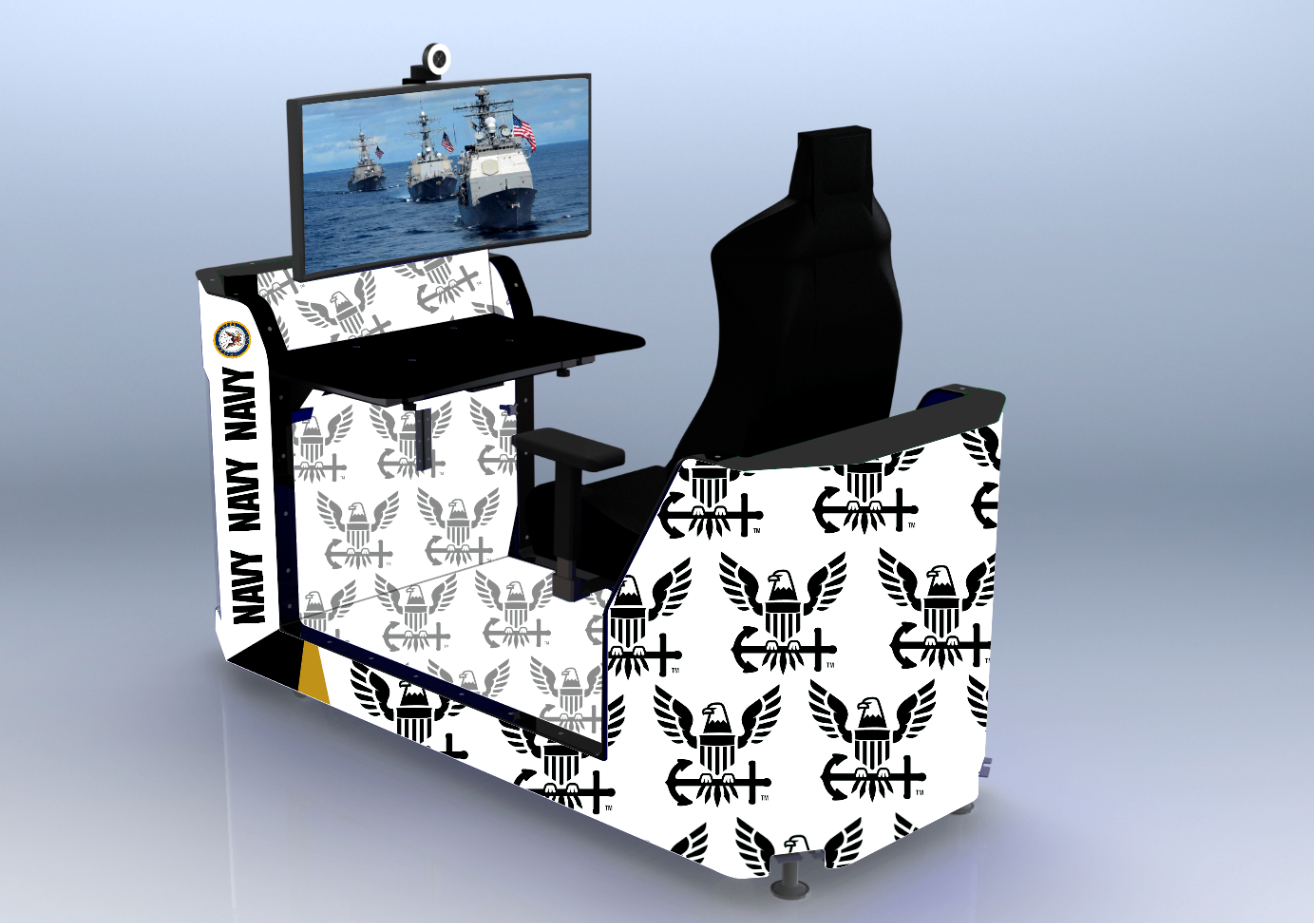
Smart Fortune 500 brands recognized this years ago. The U.S. Army, Navy, Air Force, Marines, Coast Guard, and Space Force have all launched esports initiatives not because they care about video games, but because they understand where their target demographic lives digitally.
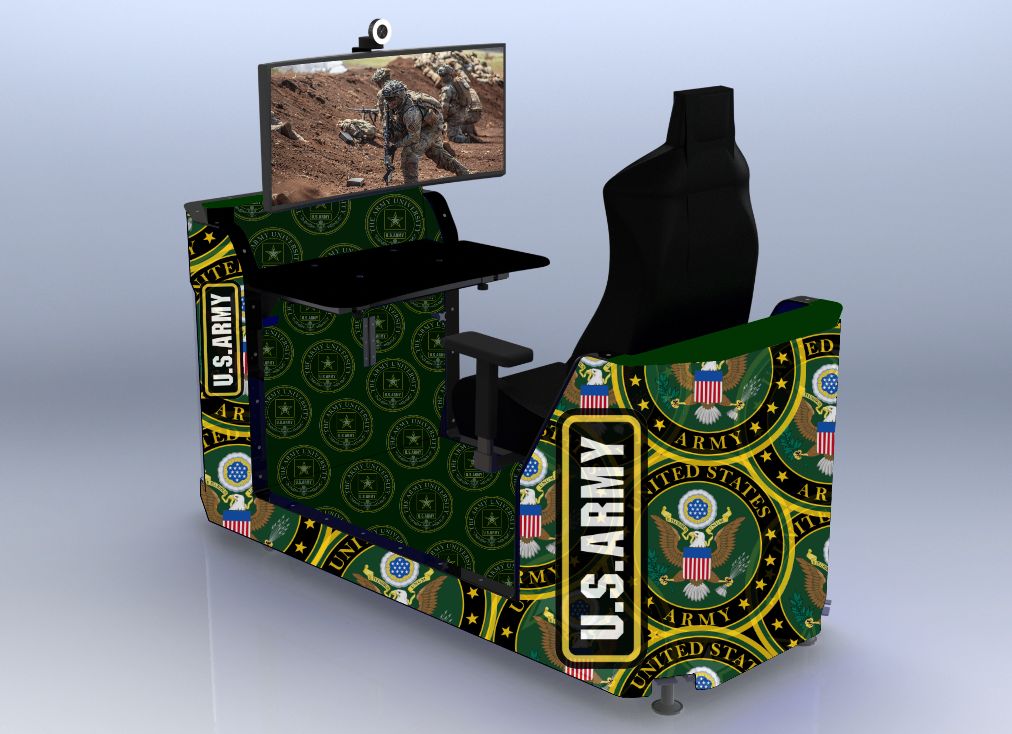
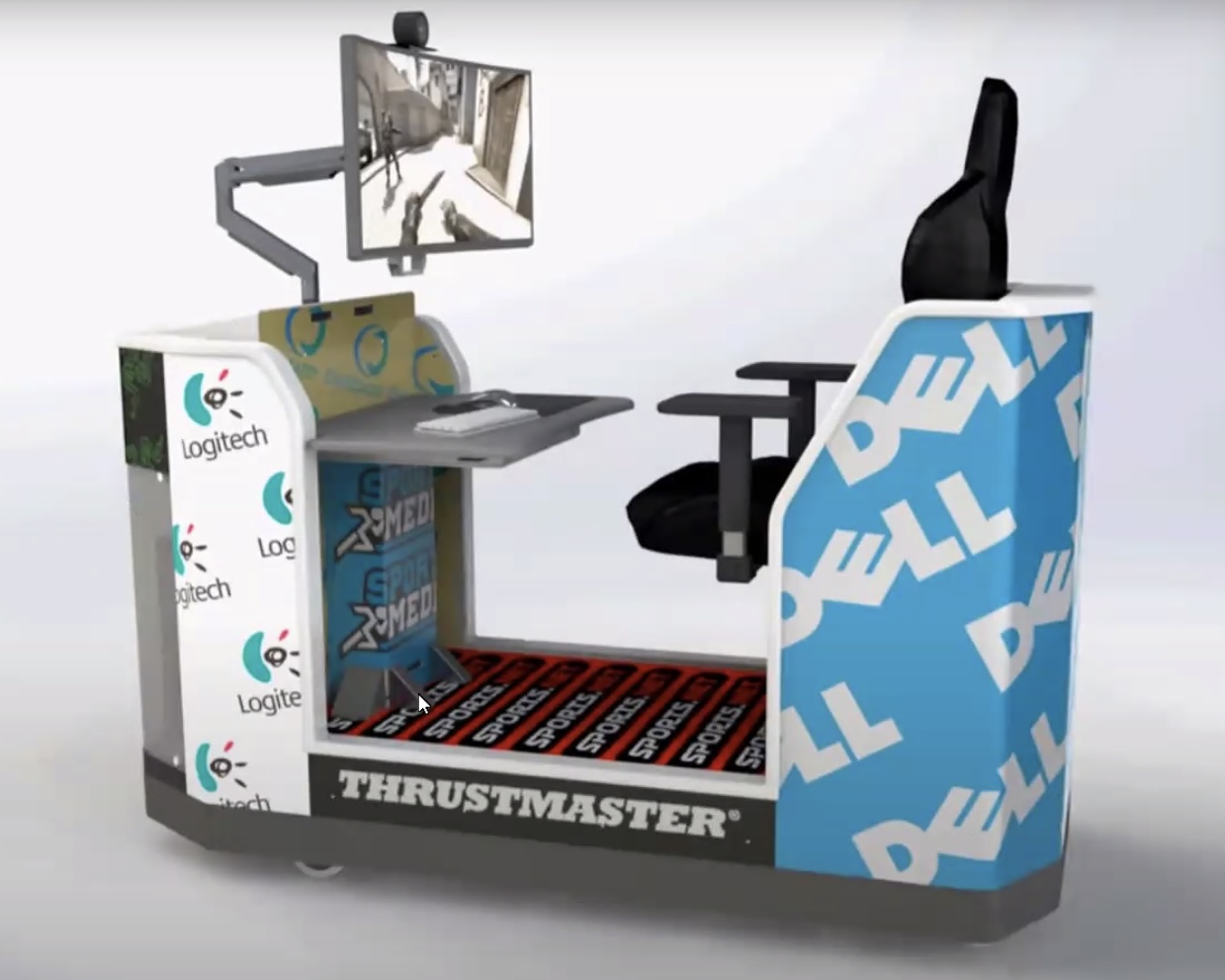
Corporations like Dell, Logitech, and Lockheed Martin followed suit, realizing that esports infrastructure in schools creates something traditional internship programs never could: daily brand exposure and authentic engagement with students around skills that actually matter in modern workplaces.
How EsportsPod Creates Sustainable Talent Funnels
This is where strategy meets execution. EsportsPod isn't just installing gaming setups in schools: we're building branded talent development ecosystems that connect Fortune 5000 companies directly with the next generation of workers.
Here's how the talent funnel actually works:
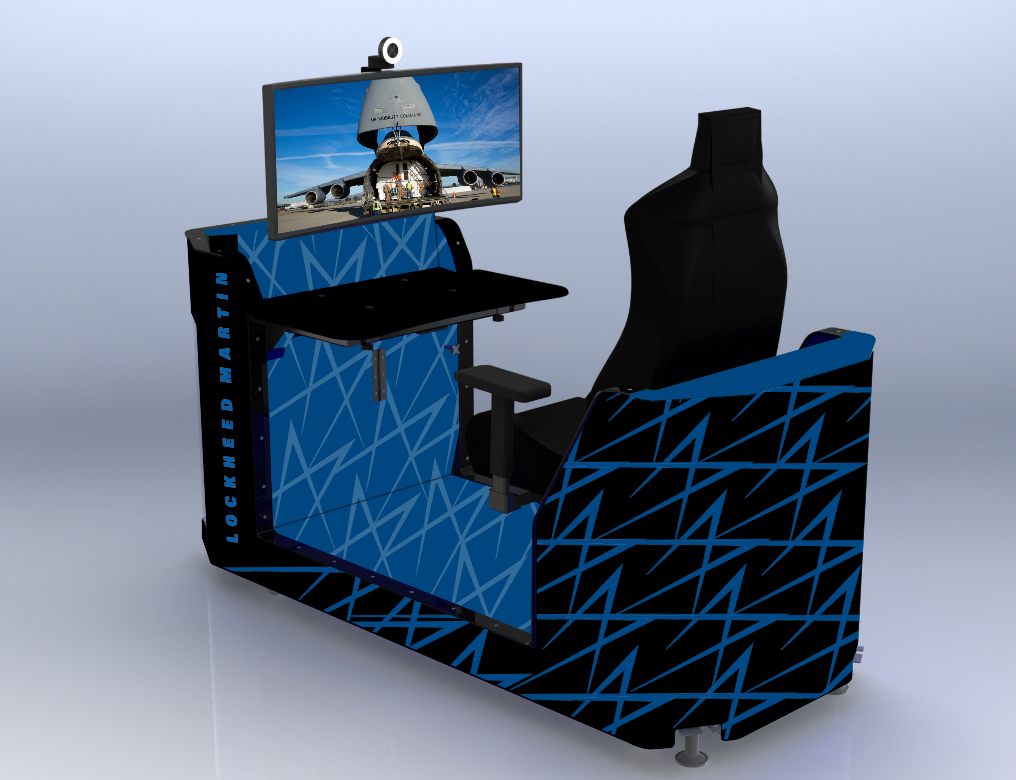
Brand Integration at Scale: Your company logo, messaging, and career pathways don't live on a poster in a guidance counselor's office. They're integrated into custom-branded simulation pods that students interact with daily. Whether it's a Lockheed Martin-branded flight simulator or a Dell-sponsored competitive gaming station, your brand becomes part of the educational experience itself.
Skills Development Aligned With Workforce Needs: Esports and simulation training naturally develop critical workplace competencies: teamwork, communication, strategic thinking, rapid decision-making, and digital literacy. These aren't soft skills mentioned on resumes; they're demonstrated capabilities you can evaluate in real-time.
Direct Talent Identification: Unlike traditional sponsorships where ROI is measured in impressions, EsportsPod partnerships create measurable talent pipelines. You can track student engagement, identify high-performers, and begin relationship-building years before graduation.
Diversity and Inclusion Built-In: Remember that 78% statistic about enhanced DEI initiatives through high school programs? Esports naturally attracts diverse student populations often overlooked by traditional STEM recruitment. You're accessing talent pools competitors don't even know exist.
The Real-World Impact for Forward-Thinking Companies
Let's get specific about what success looks like. Rooted School's 2021 graduates secured entry-level positions at Fortune 500 companies including Entergy, Lucid, and Ochsner, with 77% receiving technical training credentials from industry leaders like Autodesk and Adobe. These weren't random placements: they were cultivated outcomes from years of strategic educational partnerships.
SC Johnson's Youth Apprentice Program provides hands-on manufacturing experience that leads to Wisconsin Youth Apprenticeship Certification. Students don't just learn about career opportunities: they're already working within the organizational culture before high school graduation.
Programs like Genesys Works connect high school students with corporate jobs across eight cities, addressing what companies identified as their biggest recruitment challenges: attracting qualified candidates and managing logistics.
The pattern is clear: companies that invest in educational esports infrastructure today are building competitive advantages that compound annually. Every cohort of 9th graders represents four years of brand-building, skills development, and talent identification: all before competitors even know these individuals exist as candidates.
Why Now Is the Critical Window
The esports-in-education movement is accelerating rapidly, but we're still early enough that strategic positioning matters. Schools are actively seeking corporate partners to fund esports programs. Students are demanding these opportunities. And most importantly, your competitors haven't saturated the market yet.
In five years, every Fortune 500 company will have some form of educational esports partnership. The question is whether you'll be pioneering the space or trying to catch up when premium opportunities are already claimed.
The talent crisis isn't getting better on its own. Traditional recruiting strategies are becoming more expensive and less effective. Meanwhile, the companies building talent funnels in 9th grade classrooms are securing competitive advantages that extend far beyond individual hiring cycles.
Your Move
The organizations winning the talent war tomorrow are making strategic investments in education today. They're not just sponsoring esports teams: they're building branded talent development ecosystems that create sustainable pipelines while simultaneously advancing workforce diversity, reducing recruitment costs, and enhancing employer brand with the next generation.
EsportsPod makes this strategy executable, scalable, and measurable. We handle the infrastructure, school partnerships, and program management while you focus on what matters: identifying promising talent and building relationships years before graduation.
The 9th graders entering high schools this fall will be entering your workforce in less than seven years. The question every talent executive needs to answer is simple: will they know your brand as an employer, or will they already be committed to a competitor who got there first?