

The Cloud vs. Infrastructure Debate No One's Talking About
Everyone's buzzing about cloud gaming and AI-powered everything. Walk into any education tech conference, and you'll hear the same pitch: "Why invest in expensive hardware when everything's moving to the cloud?"
Here's the thing, that's not what's actually happening in high school esports programs. And if you're a media buyer or creative director trying to figure out where to place your brand in this space, you need to understand the real infrastructure story.
The data tells us something surprising: high school esports labs aren't replacing physical gaming stations with cloud terminals. They're building sophisticated hybrid environments that combine dedicated hardware with cloud-based management systems. And that distinction matters more than you think, especially when it comes to brand placement and student engagement.
What the Numbers Actually Show
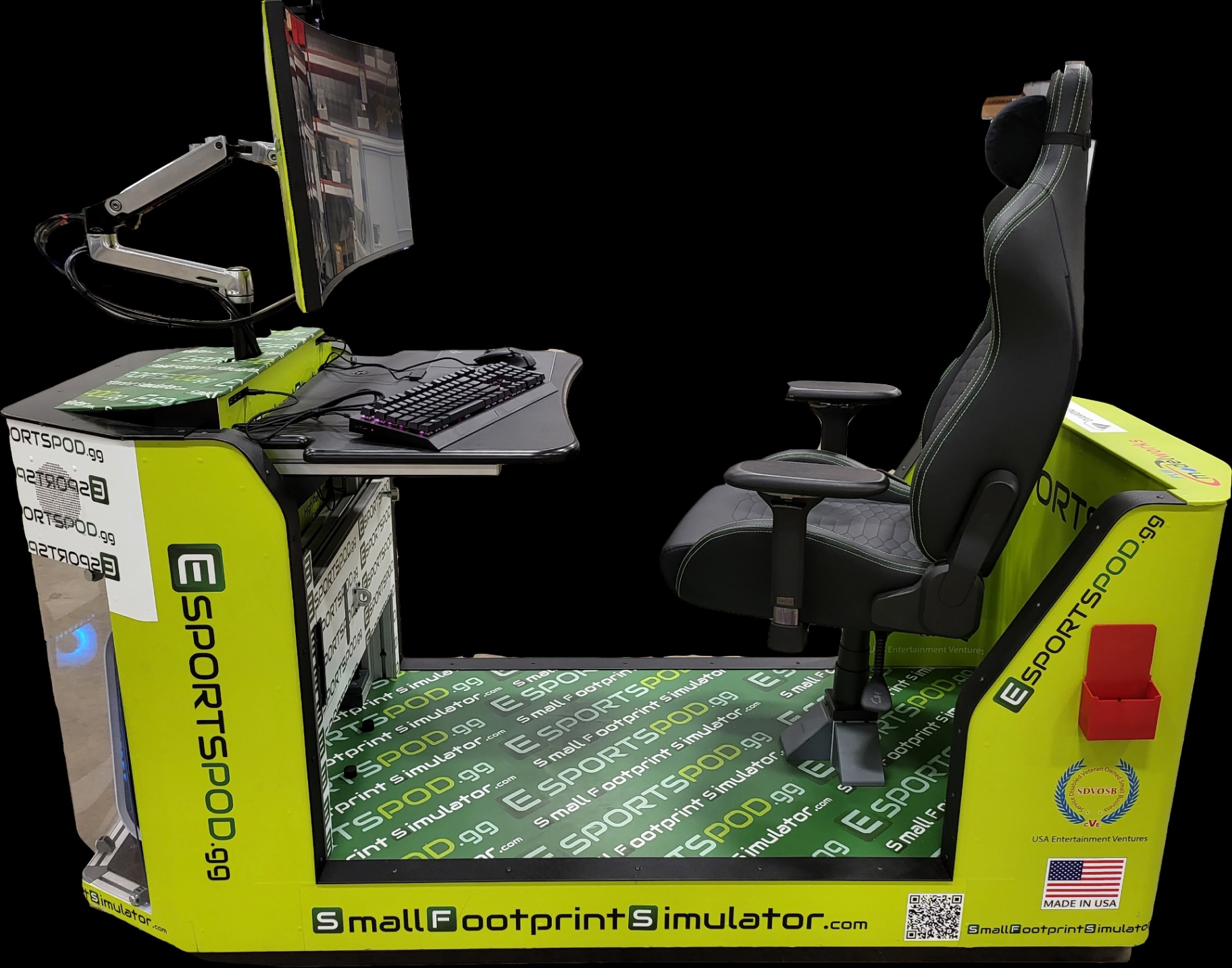
Let's cut through the hype and look at the reality on the ground. When school districts invest in esports programs, they're not skimping on physical infrastructure. The Wichita School District approved funding for 320 gaming stations across their facilities. That's not a few laptops connected to cloud services, that's serious, dedicated hardware.
The standard high school esports lab today includes:
- 6–12 dedicated gaming PCs or laptops with high-performance GPUs
- 144Hz monitors for competitive-level gameplay
- Mechanical keyboards and precision mice
- Wired internet connections (not wireless)
- Proper ergonomic seating for extended sessions
Why does this matter to you as someone planning media buys? Because physical infrastructure creates consistent, branded touchpoints that cloud-only solutions simply can't match.
The Hybrid Model Is Where Smart Money Goes
Cloud technology hasn't disappeared from this equation, it's just playing a different role than everyone predicted. Schools are leveraging cloud platforms like SENET to manage their physical gaming stations remotely. IT administrators can schedule lab sessions, deploy game updates, and set access permissions without touching each individual machine.
This is the sweet spot: physical presence with cloud-based efficiency.
Think about what this means for brand campaigns:
Persistent Physical Branding: Your logo on an EsportsPod isn't temporary screen real estate that disappears when students switch apps. It's physical infrastructure students interact with daily, multiple times per week, for entire school years.
Cloud-Based Performance Data: While the pods themselves are physical, the data they generate flows through AI-powered analytics platforms. Schools track student performance, engagement metrics, and skill development, all data points that can inform and validate your campaign effectiveness.
Centralized Campaign Management: Deploy branded content, tournament schedules, and sponsor messaging across entire school district networks from a single cloud dashboard, while maintaining the high-impact physical presence of custom-branded pods.
Why Physical Infrastructure Still Wins for Engagement
Here's what cloud-only advocates miss: esports is inherently social. The collaborative, team-based nature of competitive gaming requires physical proximity and shared space. Students don't just want to play games, they want to train together, strategize face-to-face, and build the kind of camaraderie that only comes from shared physical experiences.
Cloud gaming on personal devices at home? That's recreation. Physical esports labs with dedicated equipment? That's where career pathways begin.
The Career Pipeline Advantage
This is where things get really interesting for brands thinking about long-term positioning. High school esports labs aren't just about playing League of Legends, they're becoming career exploration centers.
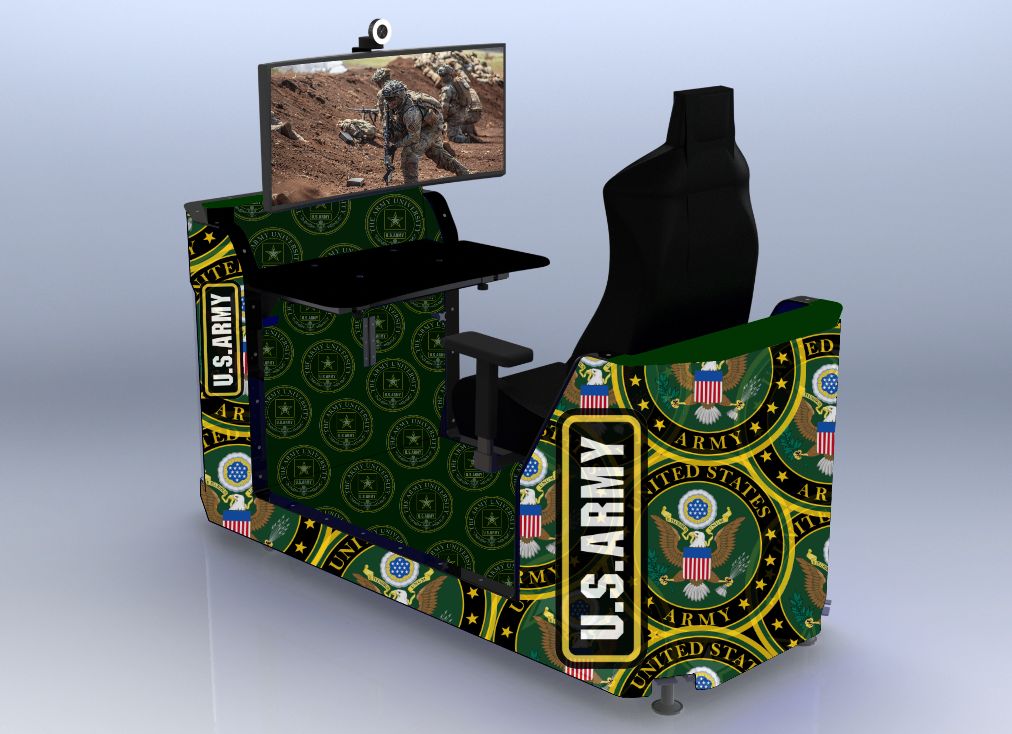
When you see EsportsPods branded with U.S. Army, Navy, Air Force, Marines, Coast Guard, or Space Force logos, you're witnessing something bigger than gaming. These are immersive recruitment and education platforms that introduce students to:
- Technology career pathways
- Simulation-based training methodologies
- Team coordination and leadership development
- Advanced technical skill acquisition
The same pod that hosts after-school Valorant tournaments also serves as a flight simulation trainer, a cybersecurity lab, or a logistics coordination center. This multi-use functionality means your brand gets associated not just with gaming, but with serious career development and STEM education.
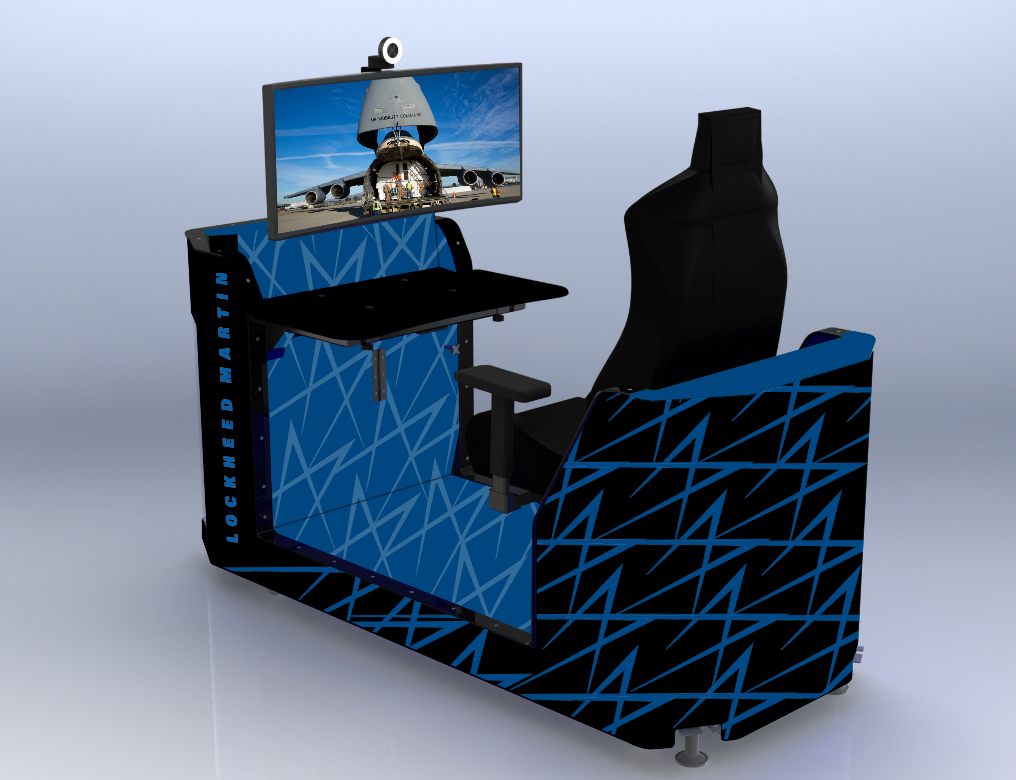
That's a message parents, administrators, and school boards rally behind. And when your brand is literally built into that infrastructure? You're not just advertising, you're investing in futures.
The AI Literacy Layer
Now here's where cloud technology really does matter in this ecosystem: AI-powered coaching and performance analytics.
Modern esports programs use cloud-based AI platforms to provide real-time feedback during practice sessions. Students don't just play, they receive data-driven insights about their decision-making, reaction times, resource management, and strategic thinking. This isn't gaming anymore; it's applied AI literacy wrapped in engaging, competitive formats.
For creative directors, this opens compelling narrative opportunities. Your campaigns can position brands as enablers of AI education, not just gaming sponsors. The teenager practicing headshot accuracy in Counter-Strike is simultaneously learning how machine learning algorithms analyze performance data, skills directly transferable to countless career paths.
What This Means for Media Placement Strategy
If you're allocating budget to reach Gen Z and Gen Alpha audiences, the high school esports infrastructure story reshapes your strategic approach.
Traditional digital advertising puts your brand in competition with infinite scroll and ad blockers. Students see your display ad for 2.3 seconds before swiping away.
Cloud-based gaming sponsorships place your logo on a launcher screen that students close immediately to start playing.
Physical esports pod branding puts your message in front of engaged students for 60–90 minute sessions, multiple times per week, in educational environments where they're actively building skills and exploring careers.
The math isn't even close.
Plus, consider the multiplier effect: one branded EsportsPod in a school lab gets seen by every student who cycles through that station, every parent who visits campus events, every administrator who tours the facility, and every prospective student checking out the program. That's not just impressions, that's immersive brand integration.
The Data Points You Should Track
Smart media buyers measure what matters. When evaluating high school esports infrastructure partnerships, focus on:
Utilization Rates: How many hours per week are students actively using the pods? (Typical programs run 15–25 hours weekly)
Student Reach: How many unique students interact with branded infrastructure per semester? (Well-run programs engage 50–200+ students per school)
Event Amplification: How many tournament events and showcases leverage the physical infrastructure for extended exposure? (Most programs host 8–12 major events annually)
Career Conversion: How many students in esports programs pursue STEM careers or military service? (Programs with physical infrastructure show 35–40% higher career pathway engagement)
Parent Engagement: How many parents attend events in spaces featuring your brand presence? (Family tournament nights regularly draw 100–300 attendees per event)
These aren't vanity metrics, they're engagement indicators that justify infrastructure investments over ephemeral digital placements.
The Build vs. Cloud Economic Reality
Let's address the cost question directly, because it matters for media planning budgets.
Yes, cloud gaming reduces upfront hardware costs for schools. A Chromebook and cloud subscription runs cheaper than a dedicated gaming PC. But here's what that economic model misses:
Performance Gaps: Cloud gaming introduces latency that makes competitive play frustrating. Students training for actual tournaments need responsive hardware.
Bandwidth Limits: Schools with 200+ students can't reliably run dozens of simultaneous cloud gaming streams without network congestion.
Educational Control: Physical labs give schools complete control over software, settings, and access. Cloud platforms introduce dependencies on external service providers.
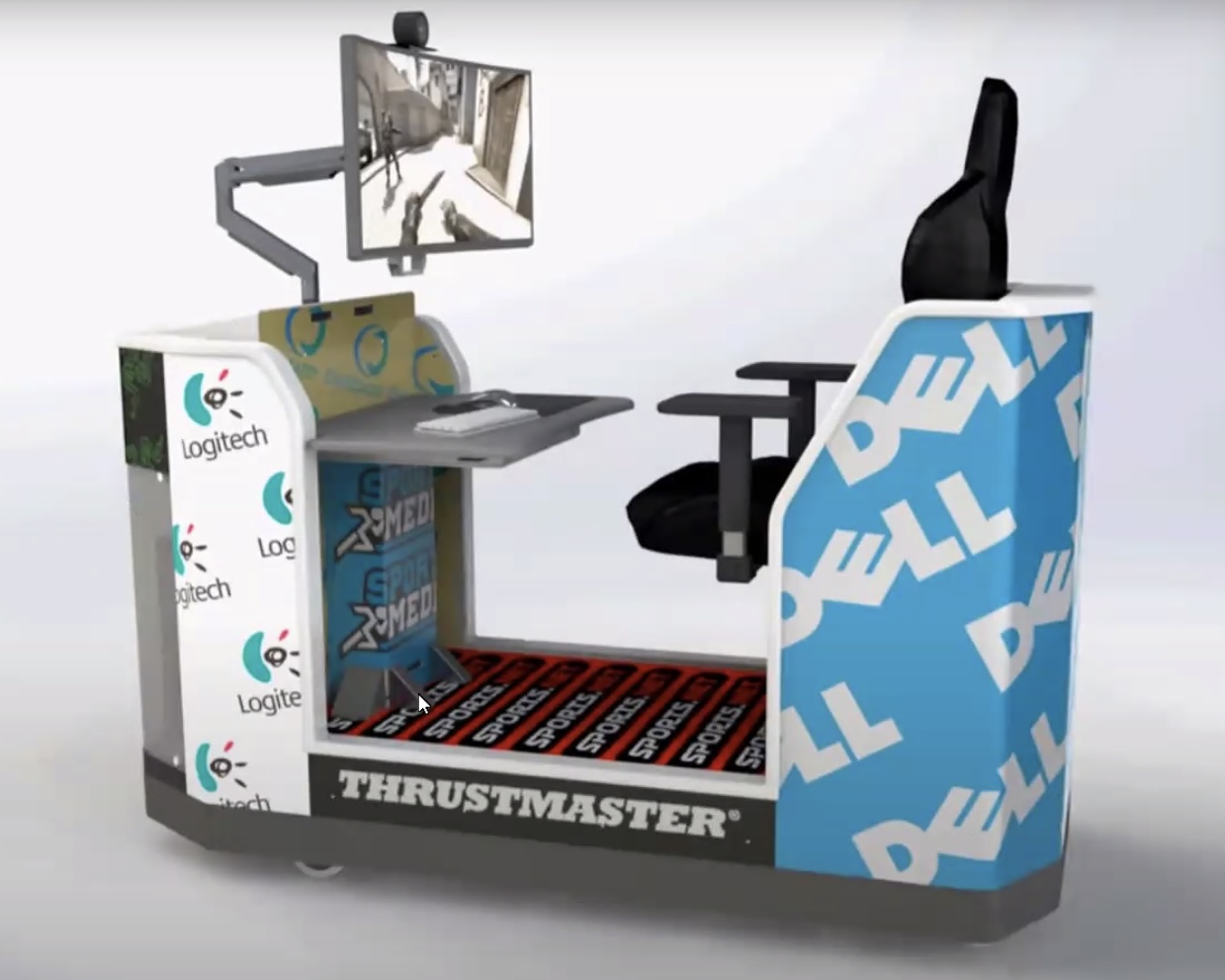
Branding Limitations: You can't wrap your brand around a cloud service the same way you can customize physical infrastructure.
Schools choosing serious esports programs: the ones with competitive teams, structured curricula, and career pathway integration: overwhelmingly invest in physical infrastructure. That's where brands get maximum exposure and credibility.
The Partnership Model That Works
Here's the opportunity: rather than choosing between cloud and physical infrastructure, smart brands enable the hybrid model that schools actually want.
Sponsor the EsportsPod physical infrastructure that becomes a permanent branded presence on campus, while supporting the cloud-based management and analytics platforms that make programs scalable and measurable.
This integrated approach positions your brand as understanding the real needs of educational esports: not just chasing the latest tech trend, but investing in sustainable solutions that deliver results for students, schools, and communities.
Where This Goes Next
The high school esports infrastructure landscape is maturing rapidly. Schools that started with makeshift gaming labs are now planning dedicated esports facilities with 20, 30, even 50+ stations. Districts are budgeting multi-year infrastructure investments.
For media buyers and creative directors, the question isn't whether to engage with this space: it's whether you'll be early enough to secure positioning in the physical infrastructure that's being installed right now, or whether you'll be competing for scraps in oversaturated digital channels three years from now.
The data is clear: high school esports labs aren't becoming cloud training centers. They're becoming sophisticated hybrid environments where physical infrastructure creates the foundation for engagement, and cloud technology provides the scalability layer.
Your brand belongs in that physical space, not floating in someone's cloud.
Ready to explore how EsportsPod infrastructure can anchor your next campaign? The pods are being deployed now. The question is whether your brand will be built into them.