

Here's a question that keeps Fortune 5000 CHROs up at night: How do you build a reliable talent pipeline when Gen Z has fundamentally different expectations about work, career progression, and employer engagement than any generation before them?
The traditional playbook: posting jobs on LinkedIn, hiring executive recruiters, and waiting for applications: is bleeding companies dry. Average cost-per-hire for skilled positions now exceeds $4,000, and the moment you finally onboard that promising candidate, they're already browsing other opportunities. Gen Z expects transparency, purpose-driven work, and clear career pathways from day one, yet most organizations only engage them after they've already chosen a career direction.
That's too late.
The Fundamental Problem with Traditional Recruitment
Traditional recruitment operates on a reactive model: identify a need, post a job, screen hundreds of resumes, conduct multiple interview rounds, negotiate offers, and hope they accept. This process is expensive, time-consuming, and increasingly ineffective for reaching Gen Z talent.
Why? Because by the time Gen Z workers start applying to jobs, they've already formed opinions about your industry, your company, and whether they see themselves building a career with you. If you're not part of their early career exploration journey, you're already playing catch-up against competitors who were.
The most forward-thinking organizations are shifting from recruitment to talent cultivation: engaging potential employees years before they enter the workforce, building relationships through educational partnerships, and creating clear pathways from classroom to career.

The EsportsPod Solution: Educational Partnerships That Scale
Here's where it gets interesting. What if you could place your company brand, your career messaging, and your talent pipeline development directly into high schools, reaching students during their formative career-decision years: without building your own education program from scratch?
That's exactly what EsportsPod enables through custom-branded esports and simulation pods deployed in educational institutions nationwide.
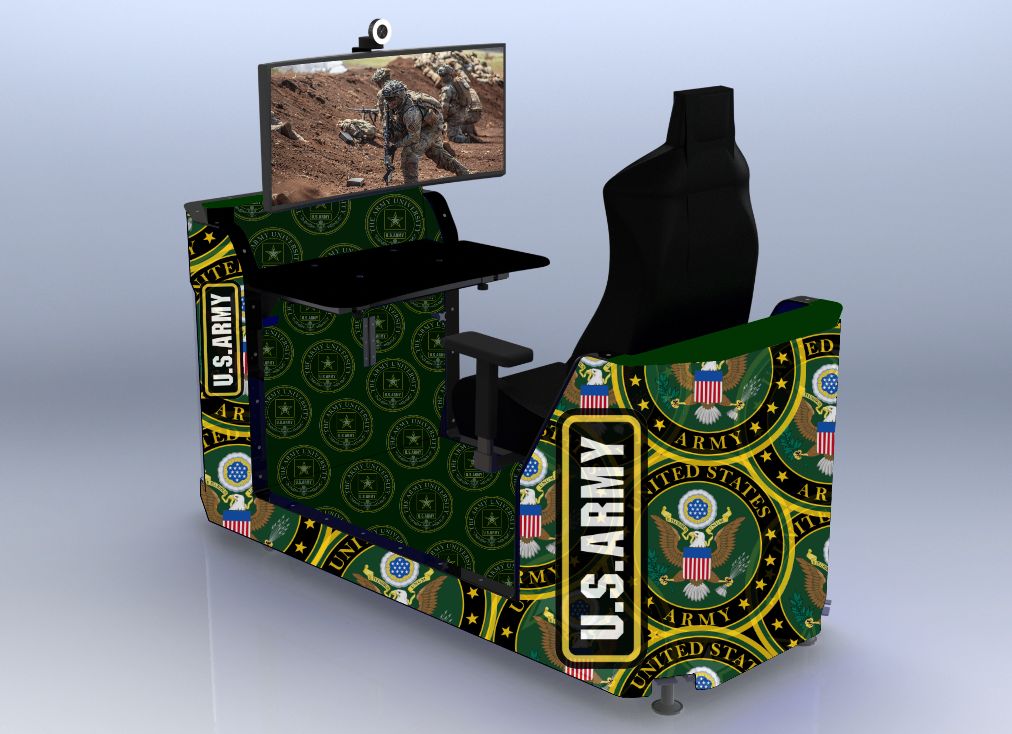
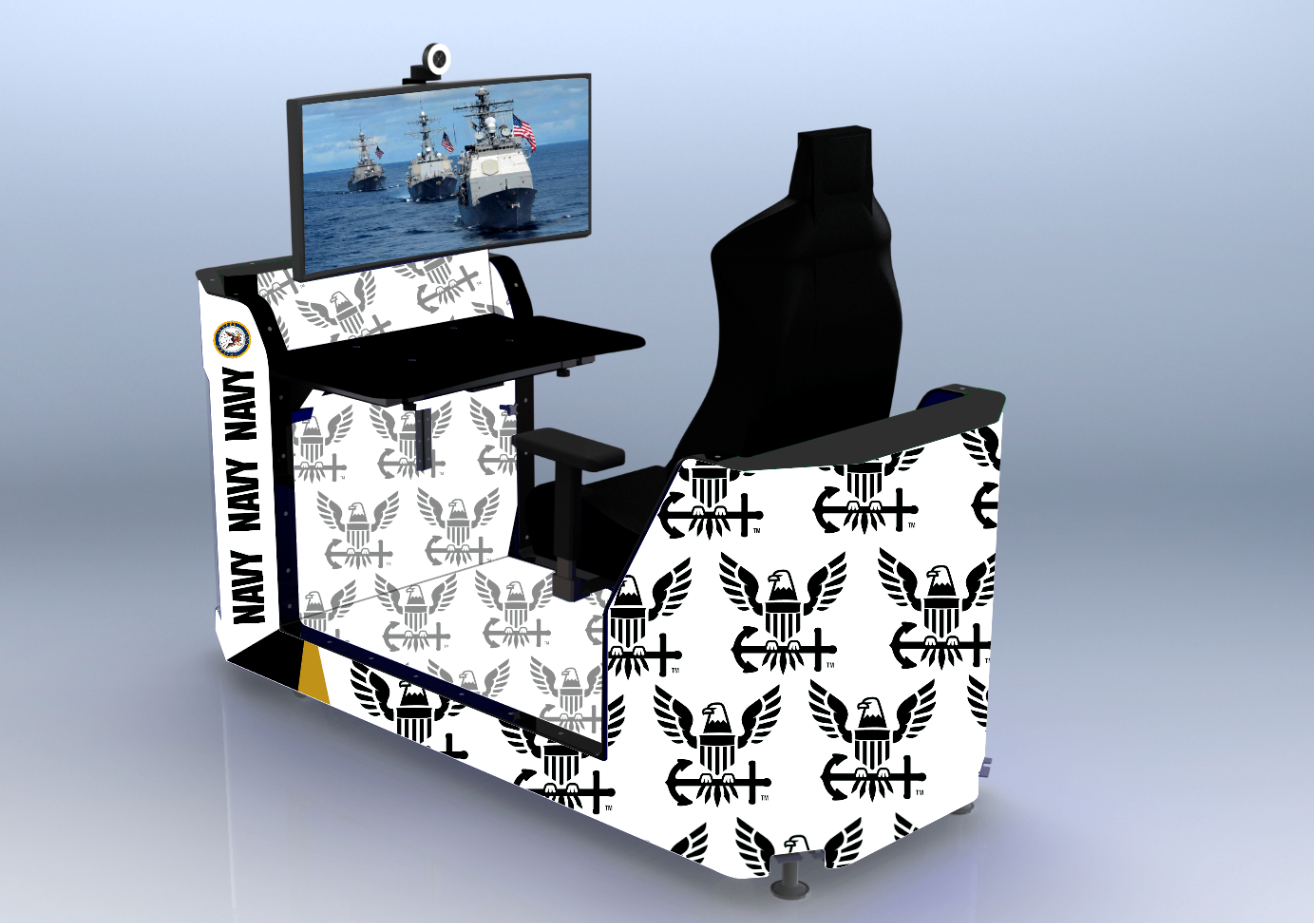
Think of it as the modern evolution of career fairs and internship programs, but instead of a single afternoon event, your company maintains a persistent presence in schools through branded, high-tech learning environments. Students engage with simulation experiences related to your industry, develop relevant technical skills, and build familiarity with your organization: all before they've written their first resume.
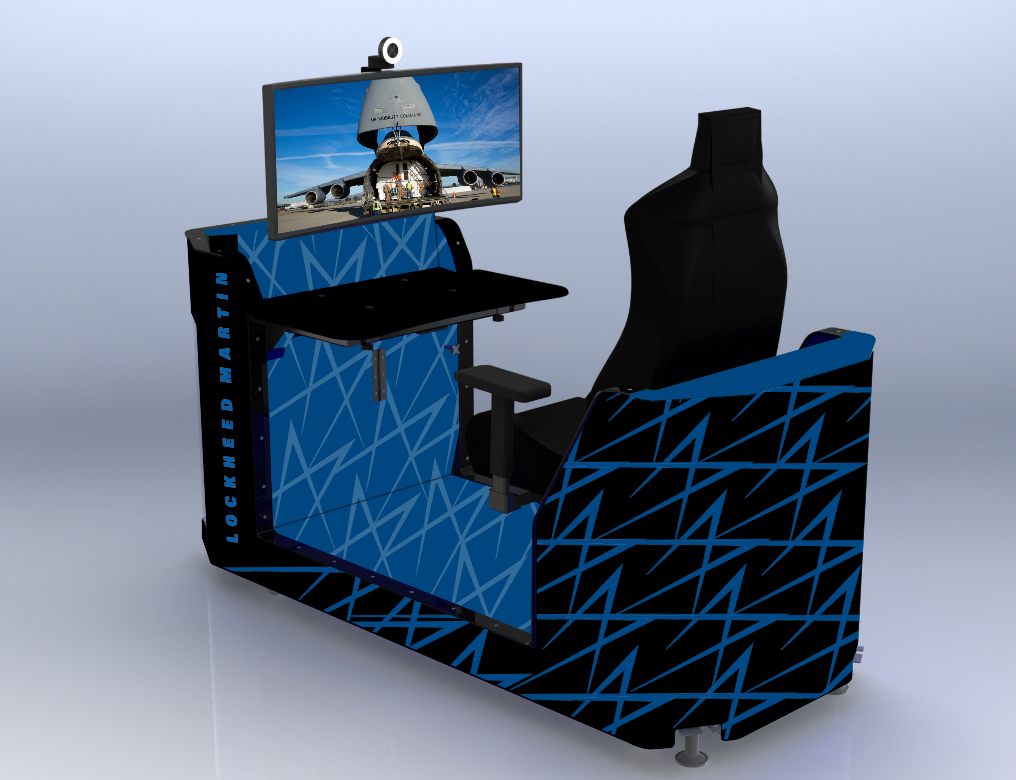
Companies like Lockheed Martin, the U.S. Air Force, Navy, Army, Marines, Space Force, and Coast Guard are already leveraging this approach: not just for recruitment, but for comprehensive workforce development that starts at the high school level.
How the Talent Funnel Actually Works
The traditional hiring funnel is narrow and expensive: job posting → applications → screening → interviews → offers. Most candidates drop out at every stage, and you're competing against every other employer at the exact same moment.
The EsportsPod talent funnel operates differently, building relationships across multiple years:
Stage 1: Awareness (Months 1-3)
Deploy custom-branded pods in strategic educational institutions. Students interact with your brand regularly through gaming, simulation, and career exploration activities. Your company becomes part of their daily educational environment, not just another logo they saw once at a career fair.
Stage 2: Engagement (Months 4-8)
Students participate in branded competitions, simulation challenges, and skill development programs tied to your industry. They're not just learning about your company: they're actively developing skills relevant to your workforce needs while associating your brand with innovation, technology, and opportunity.
Stage 3: Cultivation (Months 9-12)
Top performers receive direct exposure to career pathways through virtual mentorship, facility tours, internship opportunities, and early talent programs. By the time they graduate, they've already been nurtured through a multi-touchpoint journey that traditional recruitment could never replicate.
Stage 4: Conversion (Months 12+)
When students graduate or reach employment age, they already understand your organization, have developed relevant skills, and see clear career progression opportunities. Your cost-per-hire plummets because you're not competing in the open market: you've cultivated these candidates over years.
Why This Approach Resonates with Gen Z
Gen Z isn't motivated by the same factors that drove previous generations. They prioritize:
- Skill development over job titles: EsportsPods provide hands-on technical experience and demonstrable skills
- Purpose-driven work: Branded pods in schools signal long-term community investment
- Transparency and authenticity: Multi-year engagement builds genuine relationships, not transactional recruiting
- Technology integration: Gaming and simulation align with how Gen Z naturally learns and engages
- Clear career pathways: Early exposure demystifies industries and shows concrete advancement opportunities
Traditional recruitment addresses none of these effectively. Educational partnerships through EsportsPods address all of them simultaneously.
Real-World Applications Across Industries
The versatility of this approach extends far beyond military and aerospace applications:
Technology & Cybersecurity: Deploy pods featuring coding challenges, cybersecurity simulations, and tech troubleshooting scenarios that build foundational IT skills while promoting your tech career pathways.
Healthcare & Biotech: Utilize medical simulation pods that introduce students to diagnostic thinking, precision tasks, and collaborative problem-solving: core competencies for healthcare careers.
Financial Services: Create finance-simulation environments teaching data analysis, risk assessment, and strategic thinking through gamified scenarios.
Manufacturing & Engineering: Leverage simulation pods for CAD design, automation programming, and advanced manufacturing techniques that directly translate to workforce readiness.
The key insight: whatever your industry, there are simulation and gaming mechanics that can introduce students to relevant skills while building your talent pipeline.
Implementation Roadmap: Your First 12 Months
Months 1-2: Strategy and Partnership Development
Identify target geographic markets and educational institutions aligned with your workforce needs. Establish partnership frameworks with school districts, focusing on Title I schools and underserved communities to maximize impact and diversify your talent pipeline.
Months 3-4: Pod Customization and Deployment
Work with EsportsPod to design custom-branded experiences reflecting your company culture and career opportunities. Deploy initial pods in 5-10 strategic locations to test and refine your approach.
Months 5-8: Program Launch and Engagement
Activate programming including tournaments, skill development leagues, and industry-specific simulation challenges. Integrate light-touch mentorship and career exposure through virtual sessions and site visits.
Months 9-12: Talent Identification and Pipeline Activation
Begin identifying high-performing students for internships, apprenticeships, and entry-level positions. Collect data on engagement metrics, skill development, and conversion rates to optimize future deployments.
Months 12+: Scale and Optimize
Expand to additional markets based on performance data. Refine programming based on what drives highest engagement and best talent outcomes.
The ROI Story Nobody's Telling You
Let's talk numbers. A single external recruiter placement for a skilled position costs $15,000-$25,000. Multiply that across dozens or hundreds of annual hires, and you're spending millions on recruitment alone: not counting the productivity losses from unfilled positions and early turnover.
EsportsPod partnerships operate on a completely different economic model:
- Fixed annual costs per pod location (significantly less than a single recruiter placement)
- Reach hundreds of potential candidates per location annually
- Multi-year engagement dramatically reduces conversion costs
- Improved retention because candidates already understand your organization and culture
- Diversified pipeline reducing dependency on expensive external recruiting
One pod reaching 200 students annually over three years creates 600 touchpoints. If just 5% convert to employees, that's 30 hires at a fraction of traditional recruitment costs: and those hires come pre-engaged, better informed, and more likely to stay long-term.
Getting Started: The Reality Check
This isn't a magic solution that works overnight. Building a talent pipeline requires commitment, strategic thinking, and patience. But here's what makes it achievable in under 12 months:
You don't need to build educational programs from scratch. EsportsPod handles the infrastructure, technology, and initial programming. You provide brand customization, career pathway information, and strategic oversight.
You don't need to deploy nationally on day one. Start with strategic pilot locations, prove the model, then scale based on results.
You don't need massive budgets. Compared to traditional recruitment spending, educational partnerships represent a fundamental cost reallocation toward earlier-stage talent cultivation with significantly better long-term ROI.
The Future of Workforce Development
The companies that will dominate talent acquisition over the next decade won't be those with the biggest recruiting budgets: they'll be the ones who recognized that workforce development is a long-game strategy requiring educational partnerships, early engagement, and genuine relationship building.
Gen Z isn't going to suddenly start responding to job posts the way Millennials and Gen X did. Their career decision-making process begins years earlier, shaped by educational experiences, technology exposure, and authentic organizational engagement.
The question isn't whether educational partnerships will become a standard talent acquisition strategy: they already are among forward-thinking organizations. The question is whether your company will lead this transition or spend the next five years playing catch-up while competitors cultivate the next generation of talent.
Ready to build your Gen Z talent pipeline? Explore how EsportsPod can help transform your recruitment strategy from reactive and expensive to proactive and sustainable.