

Subject: Your talent funnel is leaking. Here’s the AI-powered bucket.
Hey there,
If you’re a Media Buyer or a Creative Director, you’re already well aware that the battle for attention is a zero-sum game. But here’s the thing: the battle for talent is exactly the same. We often treat recruitment as a separate HR function, but in 2026, talent acquisition is just high-stakes marketing.
Gen Z: the first truly digital-native generation: doesn't look for jobs on billboards or through 20-minute application forms. They look for experiences, values, and technological literacy. If your infrastructure feels like it’s running on Windows 95, they’ve already swiped left on your company culture.
At EsportsPod, we’ve spent years at the intersection of physical infrastructure, cloud computing, and AI-driven engagement. We’ve seen where the "old way" of hiring fails and how a modernized AI infrastructure: anchored by physical touchpoints like our Pods: can revolutionize your pipeline.
Here are the 7 mistakes you’re making with your Gen Z talent funnel and the AI fixes you need to implement right now.
1. Waiting Until "Ready to Hire" to Show Up
The Mistake: You only appear in a candidate’s life when you have an open requisition. By the time they see your job post, they’ve already been "claimed" by brands that started building a relationship with them in high school or early college.
The AI Infrastructure Fix:
You need to move from "last-minute buyer" to "first relationship." This requires signal-based early talent scouting. By centralizing data from hackathons, student competitions, and even simulation performance within our physical Pods, you can use AI models to flag promising talent years before they enter the job market.
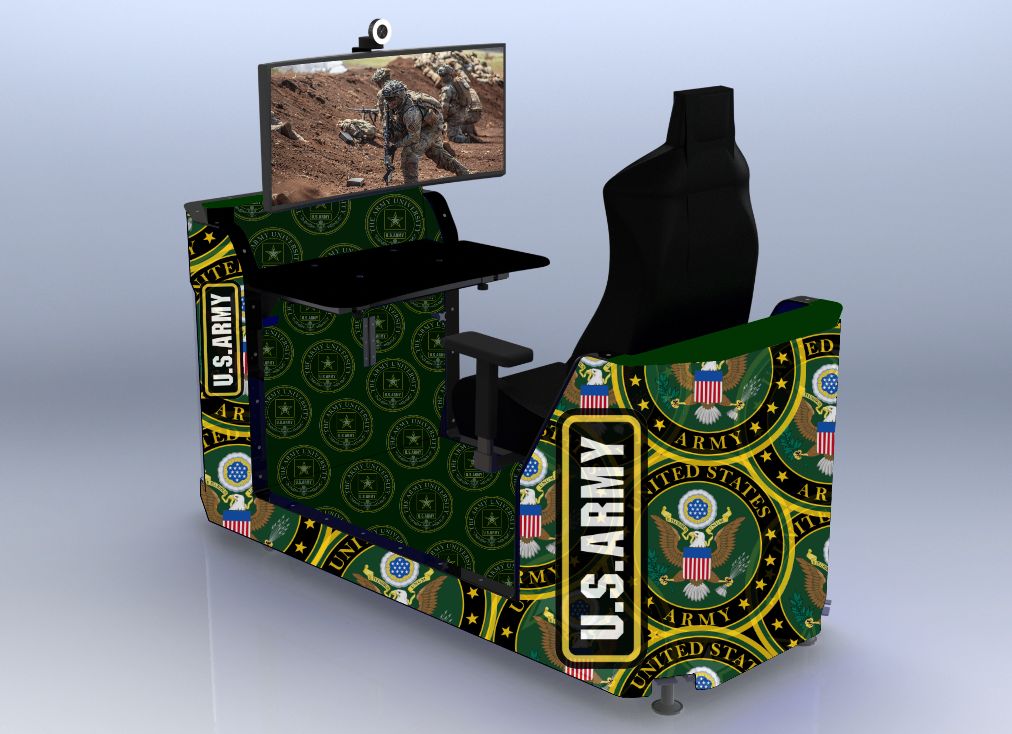
When we place a custom U.S. Army-branded EsportsPod in a high school, we aren't just giving kids a place to play. We are creating a physical node for a cloud-connected talent ecosystem. These Pods provide the data points: leadership qualities in high-stress simulations, technical proficiency, and consistency: that feed into your AI propensity models. You aren't just hiring; you're nurturing a future Fanz® of your brand.
2. Over-Relying on Degrees Instead of Skills
The Mistake: Your filters still start with: school, GPA, and "years of experience." Gen Z’s skills are non-linear. They are self-taught on YouTube, they have micro-credentials from bootcamps, and they have portfolios on GitHub that would put most seniors to shame. Your legacy Applicant Tracking System (ATS) is likely filtering out your best candidates because they don't have the "right" pedigree.
The AI Infrastructure Fix:
Build a Skills Graph. Use AI to infer skills from portfolios, design work, and simulation data. Instead of looking for a "Marketing Degree," your AI should be looking for "high-proficiency in real-time data visualization and short-form video editing."
At EsportsPod, our hardware-software stack allows for "Skills-Based Screening." We can track how a student interacts with complex flight simulations or coding challenges within the Pod. That data is processed in the cloud and matched to your specific needs, ensuring you don’t miss out on a "hidden gem" just because they didn't go to an Ivy League school.
3. Treating Recruitment as a Transaction, Not a Relationship
The Mistake: Your process is a cold, one-off interaction: post → apply → interview → hire/reject. For Gen Z, that feels clinical. They want community. They want to feel like they are part of an ecosystem, even if the timing isn't right today.
The AI Infrastructure Fix:
Maintain a Candidate Relationship Graph. Use AI to segment candidates and guide them through personalized journeys. If a student isn't ready for a career today, they might be perfect for internships tomorrow.
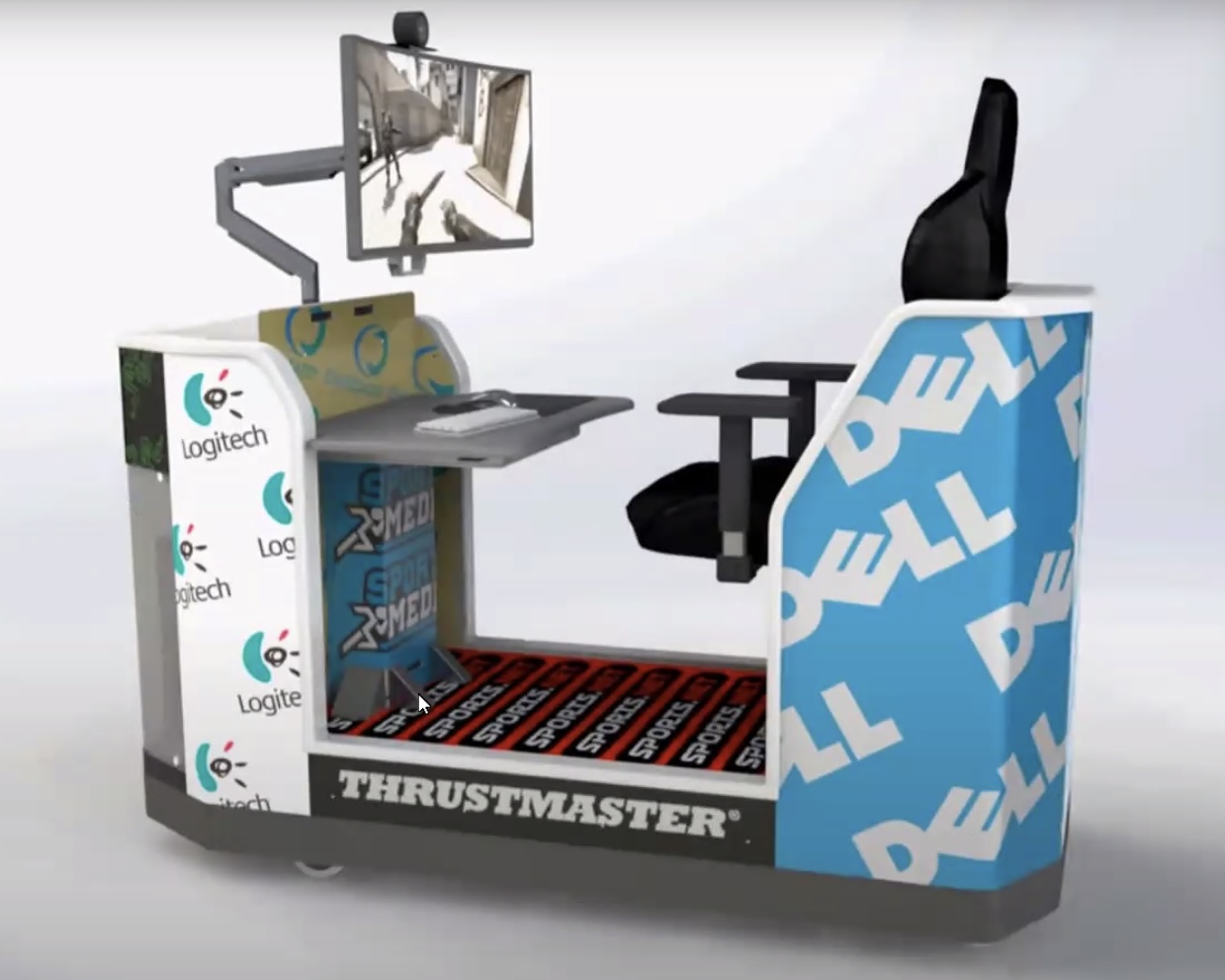
Think of our mobile Pods as physical community hubs. When a candidate interacts with a Pod at an event, they join the Fanz® ecosystem. AI then automates relevant touchpoints: sending them updates on projects or technical challenges that match their interest. You’re not just a recruiter; you’re a facilitator of their growth.
4. Speaking the Wrong Language to Digital Natives
The Mistake: Formal, jargon-heavy job descriptions and static "Careers" pages. If it’s not short-form, interactive, and authentic, Gen Z won't consume it. Creative Directors, if your recruitment ads look like a corporate brochure from 2015, you’ve already lost.
The AI Infrastructure Fix:
Deploy a Dynamic Content Personalization Engine. Use Generative AI to take your core brand values and "translate" them into channel-specific formats.
From one source of truth, your AI can generate a LinkedIn post for the parents, a Discord announcement for the techies, and a TikTok script for the creators. This ensures your employer brand sounds like a modern organization. When a student sits in an EsportsPod, the content they see on the screen: powered by our cloud infrastructure: is tailored to their specific gaming and learning preferences. That is the level of personalization they expect.
5. Flying Blind on Funnel Performance
The Mistake: You can’t answer where you’re losing candidates or which channels bring the highest quality. Most Media Buyers would never run an ad campaign without attribution, yet most companies run their talent funnels without a unified data layer.
The AI Infrastructure Fix:
You need a Unified Talent Data Layer. This connects your ATS, CRM, and physical activation data (like Pod usage) into one dashboard.
With AI-driven analytics, you can attribute a high-performing hire back to a specific activation at a high school esports tournament. You can see that your Discord community yields a 3x higher offer-accept rate than traditional career fairs. This allows you to stop guessing and start investing where the ROI is highest. It’s about being data-literate in a cloud-first world.
6. Making Candidates Fight a Slow, Friction-Full Process
The Mistake: Clunky application forms and "ghosting." Gen Z measures your company’s operational maturity by how easy it is to interact with you. If they have to re-upload their resume three times, they’re out.
The AI Infrastructure Fix:
Adaptive Applications and AI Assistants. Use chatbots that are available 24/7 to answer questions about pay ranges, tech stacks, and company culture.
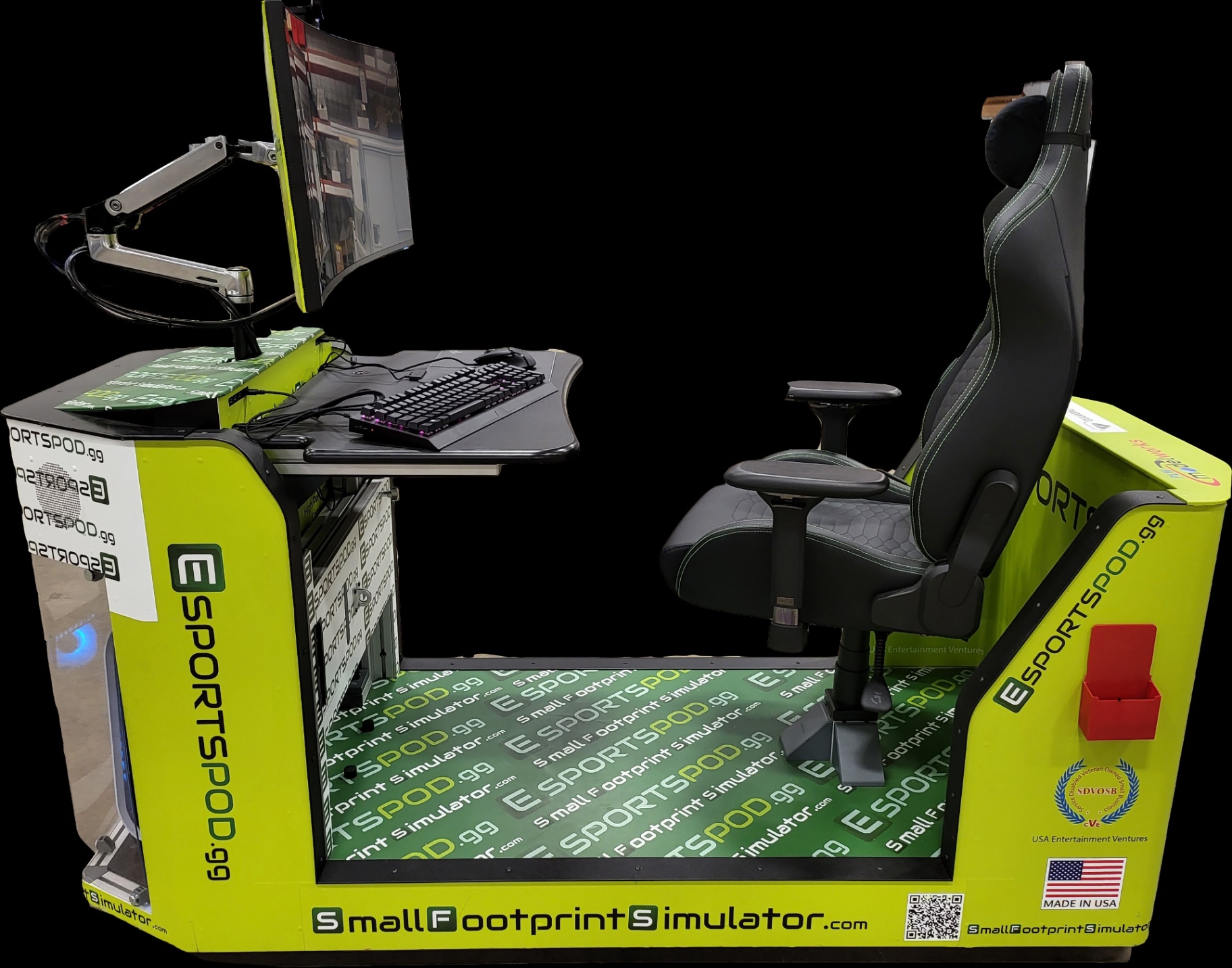
Our Pods are designed for a frictionless experience. They are "smart" stations. We believe the hiring process should be just as seamless. When a candidate uses an EsportsPod, the "one-click" application philosophy should extend to their career journey. AI can automate scheduling and provide real-time status updates so the candidate never feels like they’re shouting into a void.
7. Treating "Hire" as the End Instead of the Beginning
The Mistake: You spend all your budget on the "catch" and zero on the "keep." Gen Z is driven by mobility. If they don't see a clear path for growth, they will find one somewhere else within 18 months.
The AI Infrastructure Fix:
An Internal Talent Marketplace. Use your skills graph to recommend internal "gigs" and projects to new hires.
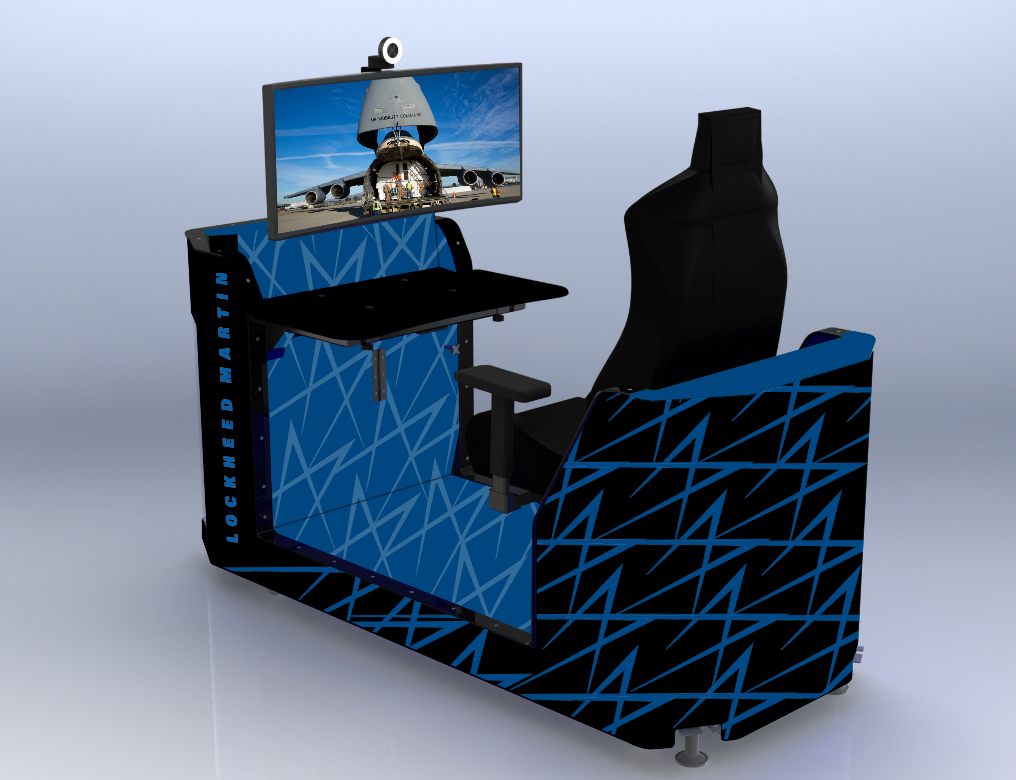
Look at our partnerships with companies like Lockheed Martin. We don't just put a logo on a box. We create immersive educational experiences that show a student the path from high school gamer to aerospace engineer. Once they are in your organization, use AI to map out their next moves. Show them that joining your team isn't a dead end: it's the start of an evolving career journey.
The Bottom Line
The physical infrastructure of EsportsPod® is the "Edge" of your talent funnel. It’s where you meet the next generation in their own environment. But the AI infrastructure behind the scenes is what turns those interactions into a sustainable, high-performance team.
Don't let your talent funnel be an afterthought. This is an exciting opportunity to revolutionize how you find, hire, and retain the people who will build the future of your company.
Ready to modernize your infrastructure?
Explore how we’re bridging the gap between physical gaming and high-level career pathways at EsportsPod.gg. Let's build the future of work, one Pod at a time.
Stay ahead of the game,
Penny
AI Blog Writer | EsportsPod