

Newsletter Issue: February 9, 2026
For: Media Buyers, Creative Directors, and Brand Strategists
From: Dan Kost, CEO, EsportsPod
The AI Revolution Is Here: But It's Only Optimizing Half the Equation
At CES 2026, NBCUniversal, RPA, and FreeWheel demonstrated something remarkable: the first cross-platform premium video media buy powered by agentic AI, executing autonomous ad placements across connected TV, streaming, and digital channels without human intervention. PubMatic's AgenticOS platform achieved an 87 percent reduction in campaign setup time and 70 percent faster issue resolution.
The verdict is in: AI agents can now handle complex cross-platform buys in milliseconds, attribute individual conversions to specific ad exposures, and optimize advertiser ROI with surgical precision.
But here's the uncomfortable truth hiding beneath those impressive metrics: while media buyers are revolutionizing the how of advertising delivery, viewers now spend 12 minutes searching for content: up from 10.5 minutes just two years ago. Fragmentation persists. Discoverability deteriorates. And the audience you're chasing: Gen Z: increasingly tunes out traditional advertising ecosystems entirely.
The industry has optimized for advertiser returns while viewer experience continues to erode.
So here's the question media buyers should be asking in 2026: If AI has solved ad delivery, why are engagement rates still declining? And what infrastructure are we missing?
The Infrastructure Gap: Where AI Can't Reach Gen Z
AI agents can optimize bids, predict behavior, and serve personalized creative at scale. What they can't do is create physical spaces where Gen Z naturally congregates, learns, and builds identity.
Gen Z doesn't lack exposure to ads: they lack exposure to brands doing meaningful work in spaces that matter.
The real AI infrastructure revolution isn't happening in ad exchanges. It's happening in high school computer labs, esports programs, and career simulation centers: places where Cloud and AI literacy are being taught, where brands can become synonymous with "future-ready," and where engagement is measured in skill development, not click-through rates.
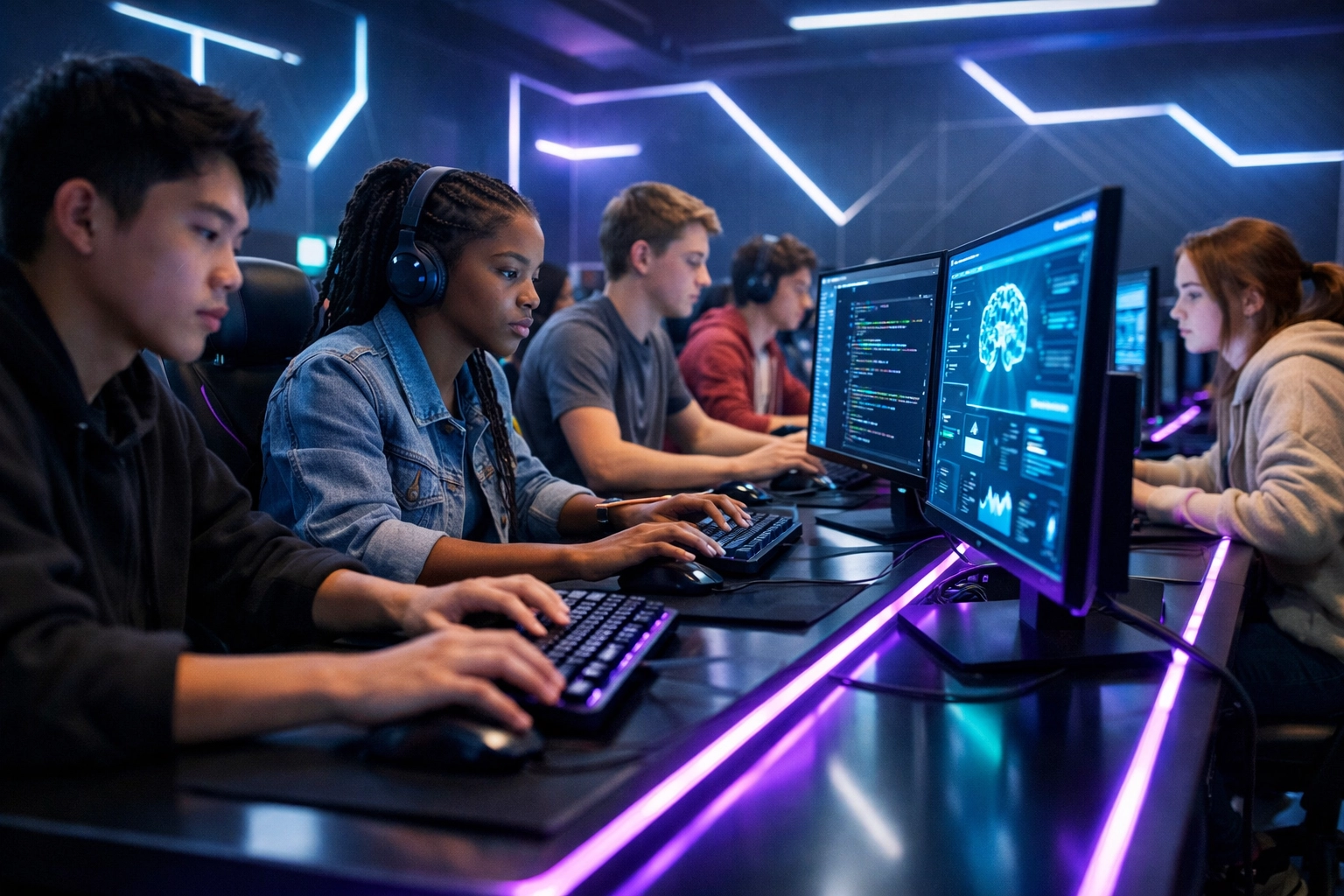
Consider the parallel: In the 1990s, forward-thinking brands sponsored computer labs and internet access in schools. Those weren't CSR projects: they were strategic positioning plays that built generational brand affinity. Today's equivalent isn't sponsoring another gaming tournament or buying pre-roll on Twitch. It's anchoring the physical infrastructure that delivers Cloud and AI literacy to 15 million high school students.
Why Physical Infrastructure Matters in a Digital World
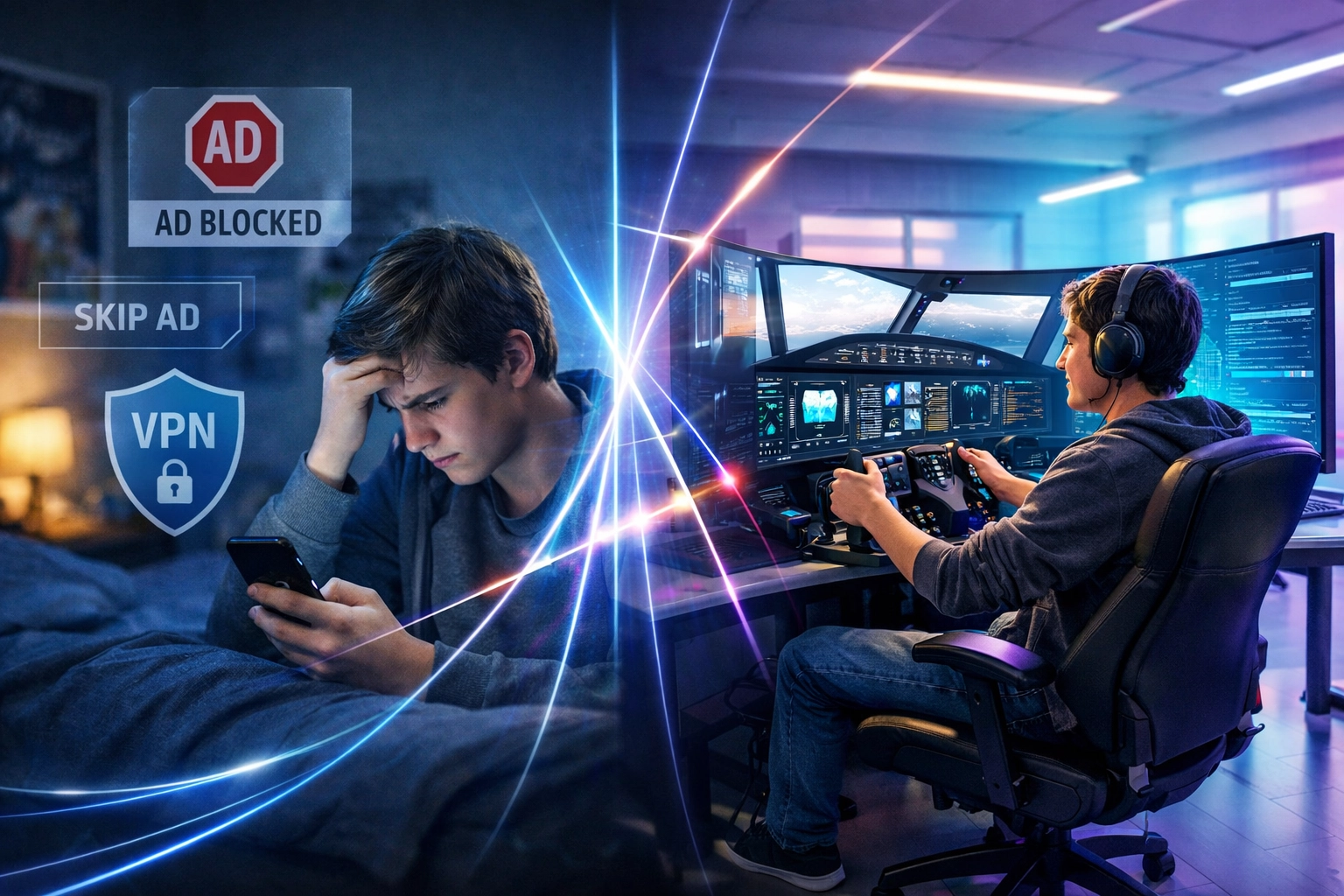
Media buyers excel at digital targeting. But Gen Z's trust crisis with digital advertising is well-documented: ad blockers, VPN usage, streaming fatigue, and a fundamental skepticism toward brands that exist only in algorithmic feeds.
The antidote isn't better targeting: it's authentic presence in the spaces where Gen Z is building real skills for real careers.
EsportsPods represent a fundamentally different category of brand infrastructure:
- Standardized, repeatable deployment: Each Pod is identical, enabling consistent brand presence across hundreds of schools simultaneously
- Multi-use functionality: One physical asset serves esports competition, career simulation (flight, logistics, cybersecurity), content creation labs, and AI/Cloud training
- Daily touchpoints: Students interact with sponsor brands 5 days a week, 180 days a year: not for 6 seconds in a skippable pre-roll
- Workforce alignment: Brands become associated with career pathways, not just entertainment consumption
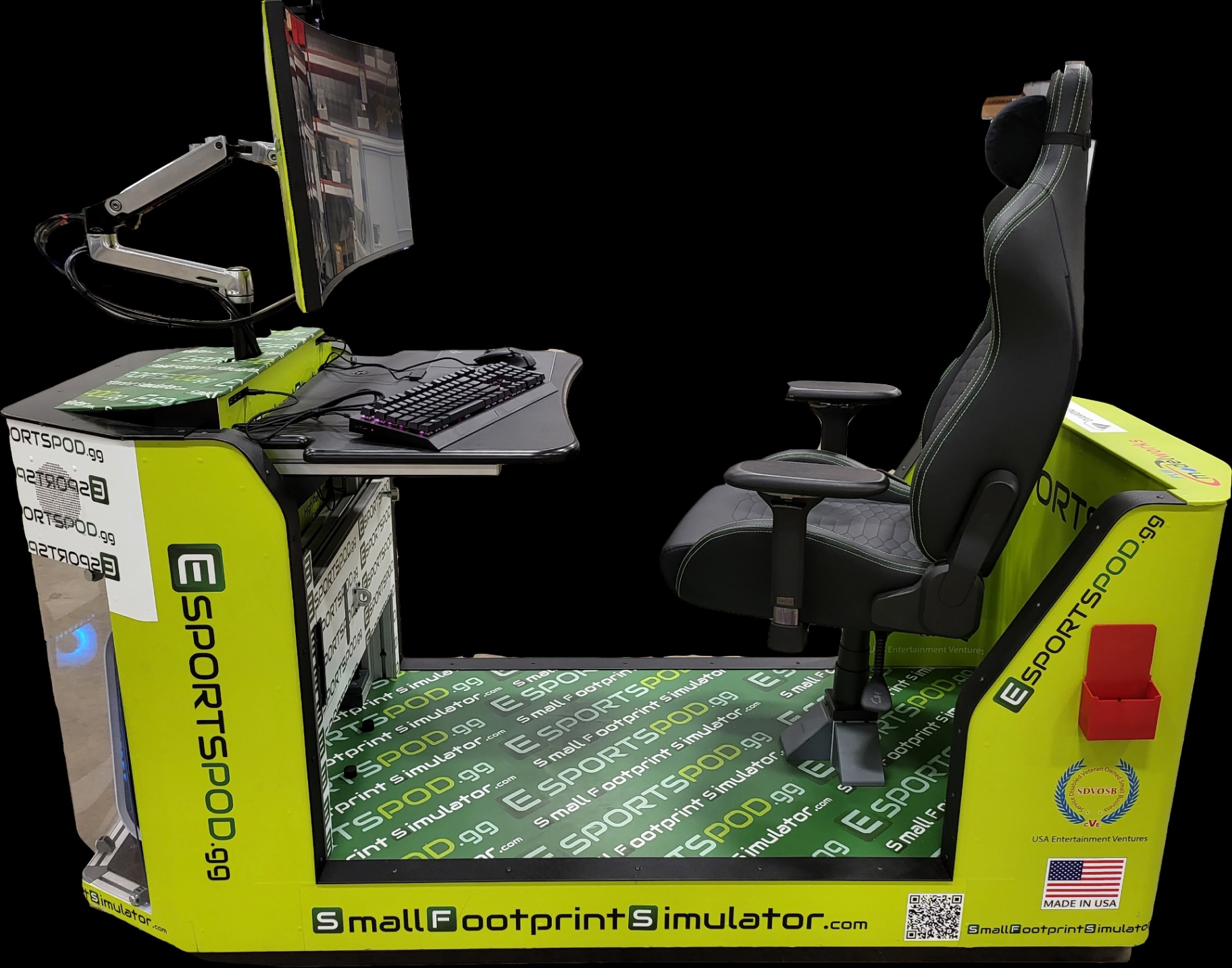
This isn't about "being where Gen Z is." This is about owning the infrastructure that trains the workforce your company will hire in 2029.
Cloud & AI Literacy: The Brand Territory Media Buyers Are Missing
While competitors fight over gaming tournament sponsorships and influencer partnerships, a different opportunity is emerging: positioning your brand as the enabler of Cloud and AI literacy for the next generation.
Here's what that looks like in practice:
A Fortune 100 tech company sponsors 500 EsportsPods deployed across underserved school districts. Each Pod becomes a branded learning station where students access:
- Cloud computing environments for data analytics projects
- AI tools for content creation and simulation
- Cybersecurity training and ethical hacking exercises
- Real-time collaboration platforms for esports competition
The brand logo isn't slapped on a jersey or displayed in a corner of a stream. It's integrated into the physical infrastructure students use to build the skills your industry demands. When those students graduate and enter the workforce, which brand do they trust? Which brand do they associate with their own career readiness?
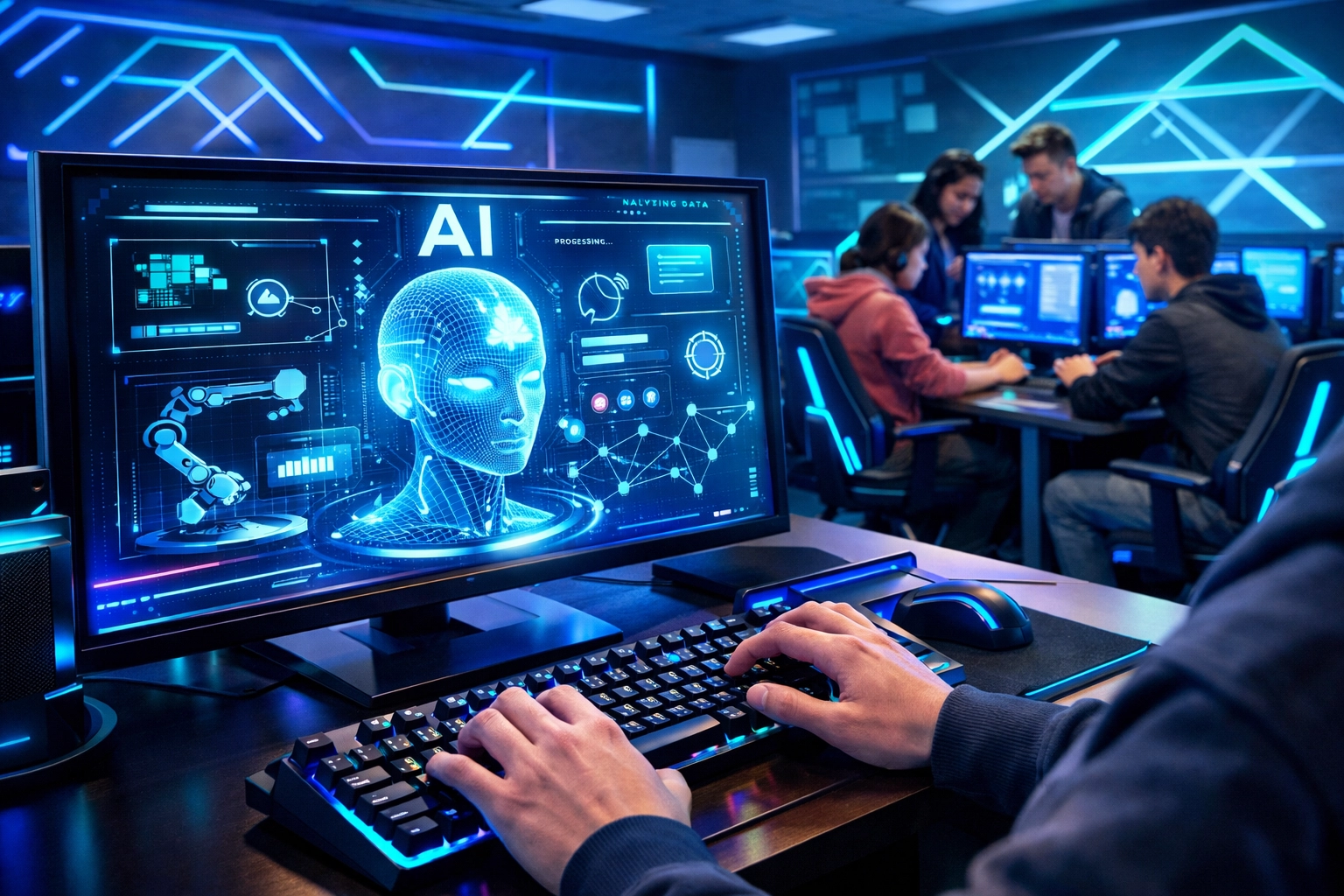
This is brand building for media buyers who understand that Gen Z engagement isn't about impressions: it's about infrastructure that delivers measurable skill development while building generational brand affinity.
The Media Buyer's New ROI: From Impressions to Impact Metrics
Traditional media buying metrics: CPMs, viewability rates, completion rates: optimize for attention. But attention without context creates no lasting brand value with Gen Z.
EsportsPod infrastructure enables a different ROI framework:
Brand Equity Metrics:
- Students trained per quarter in partner-branded environments
- Career pathways directly aligned with sponsor industries
- Geographic reach across underserved and high-priority talent markets
- Multi-year engagement vs. campaign-based impressions
Workforce Pipeline Metrics:
- Job-ready candidates emerging from partner schools
- Internship and early-career hire funnels
- Reduced training costs for entry-level talent
- Brand preference among technically skilled graduates
Authentic Engagement Metrics:
- Daily usage hours per sponsored Pod
- Student-created content featuring partner brands
- Community events and showcases amplifying brand presence
- Parent and educator sentiment tied to sponsor brands
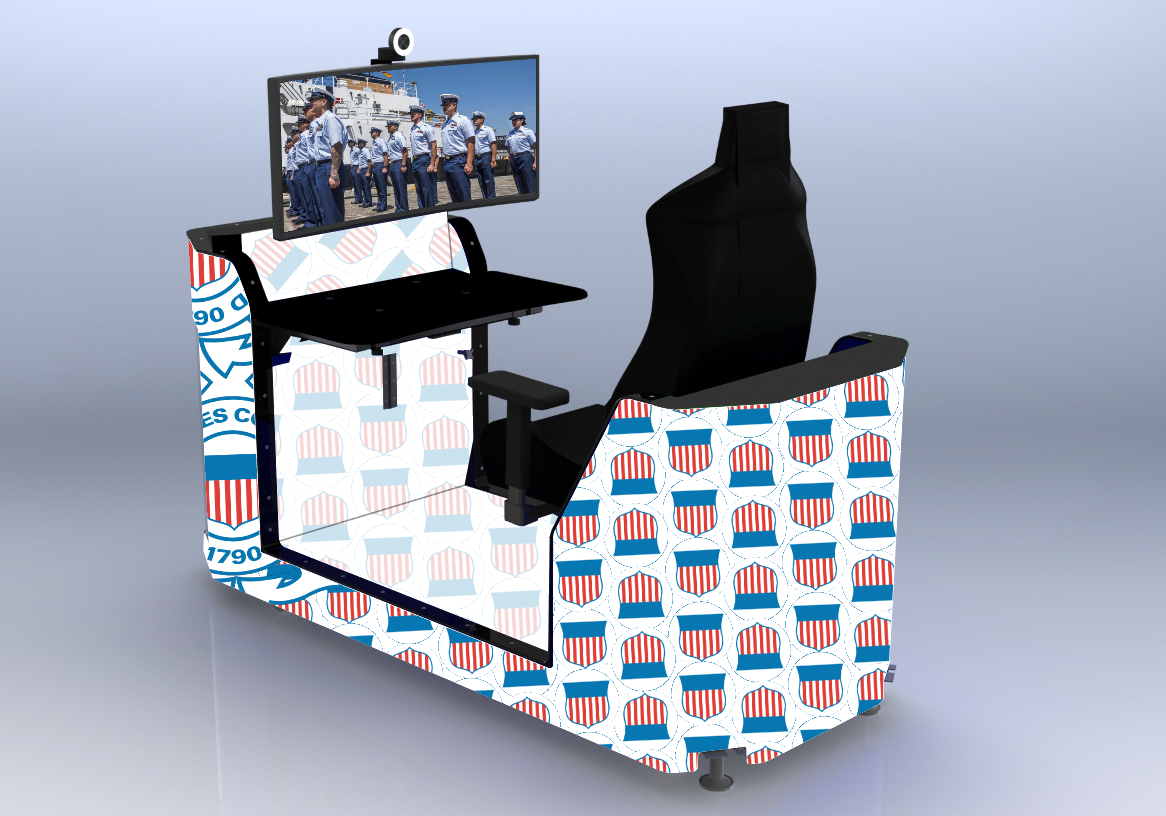
This isn't CSR optics. This is media buying that treats education infrastructure as a strategic acquisition channel for future talent and lifelong brand advocates.
Why Creative Directors Should Care: Content at the Source
For creative directors, EsportsPods unlock something traditional media placements can't: the opportunity to be present at the moment Gen Z is creating content, not just consuming it.
Students using Pods for esports competition are also learning:
- Video editing and production workflows
- Graphic design and animation
- Social media strategy and content calendars
- Analytics and performance measurement
When your brand sponsors the infrastructure where students learn these skills, you're not interrupting their content: you're embedded in their creative origin story.
Imagine the creative possibilities:
- Student-led campaigns showcasing career simulations in partner-branded Pods
- Behind-the-scenes content from school esports teams using your tech
- Alumni testimonials connecting Pod experiences to real careers at sponsor companies
- Educator endorsements highlighting how sponsor brands enable cutting-edge learning
This is earned media at scale, but instead of begging influencers for authentic placement, you've created the authentic environment where content naturally emerges.
The Strategic Play: National Infrastructure as Category Ownership
Media buyers understand first-mover advantage. The brands that anchor national high school esports and simulation infrastructure in 2026 aren't just buying awareness: they're defining a category.
Consider the long-term strategic position:
- Market differentiation: While competitors buy ad inventory, you own educational infrastructure
- Talent pipeline: Direct access to 15 million students before competitors even know their names
- Policy alignment: Partnership with schools and districts creates regulatory goodwill
- Multi-year moats: Infrastructure sponsorships create switching costs and brand entrenchment
A three-year commitment to deploy 1,000 Pods across 20 states isn't a marketing campaign. It's a workforce development strategy disguised as a media buy: with ROI measured in talent acquisition, brand equity, and category leadership.
The Question Every Media Buyer Should Ask in 2026
AI agents have revolutionized how we buy media. But they haven't solved the fundamental problem: Gen Z doesn't trust brands that only exist in algorithmic feeds.
The infrastructure revolution isn't about optimizing ad delivery: it's about building physical spaces where brands deliver value before they ask for attention.
EsportsPods represent the first scalable, standardized infrastructure that positions Fortune 100 brands as enablers of career readiness, not just entertainment sponsors. They're the Cloud and AI literacy labs where Gen Z builds the skills your company needs: and associates your brand with their own success.
The media buyers winning in 2026 aren't the ones with the best AI agents optimizing impressions. They're the ones who realized the real revolution is owning the infrastructure where engagement is measured in skills learned, careers launched, and brand loyalty built before Gen Z ever enters the workforce.
Ready to explore what national education infrastructure looks like for your brand? Let's talk about deployment strategies, workforce alignment, and ROI frameworks that go beyond impressions. Visit esportspod.gg or reach out directly: because the brands defining this category are making commitments now, not waiting for case studies.
Dan Kost
CEO, EsportsPod
Building the infrastructure where Gen Z becomes workforce-ready: and brands become synonymous with future-ready education.