

Quick answer: No, they're not dead: but they're about to get a serious upgrade.
If you're a media buyer or creative director trying to crack the Gen Z code, you've probably noticed something strange: this generation is drowning in digital noise but starving for real experiences. They block 70% of online ads, skip social video in under a second, and yet: they're actually more receptive to physical campus activations than Millennials ever were.
The catch? Traditional pop-up tents and foam finger giveaways aren't going to cut it anymore.
Welcome to the era of intelligent infrastructure: where physical presence meets AI-powered engagement, and where your brand doesn't just "show up" on campus, it becomes part of the learning environment itself.
The Campus Marketing Paradox: Digital Fatigue Meets Physical Opportunity
Here's what the data is screaming at us: brands allocating budget to physical campus media see a 40% conversion lift compared to digital-only strategies. Meanwhile, 72% of students who attend on-campus activations capture and share content organically through their peer networks.
But here's the thing most agencies are missing: Gen Z isn't asking for less technology. They're asking for technology that does something meaningful in a physical space they already occupy.
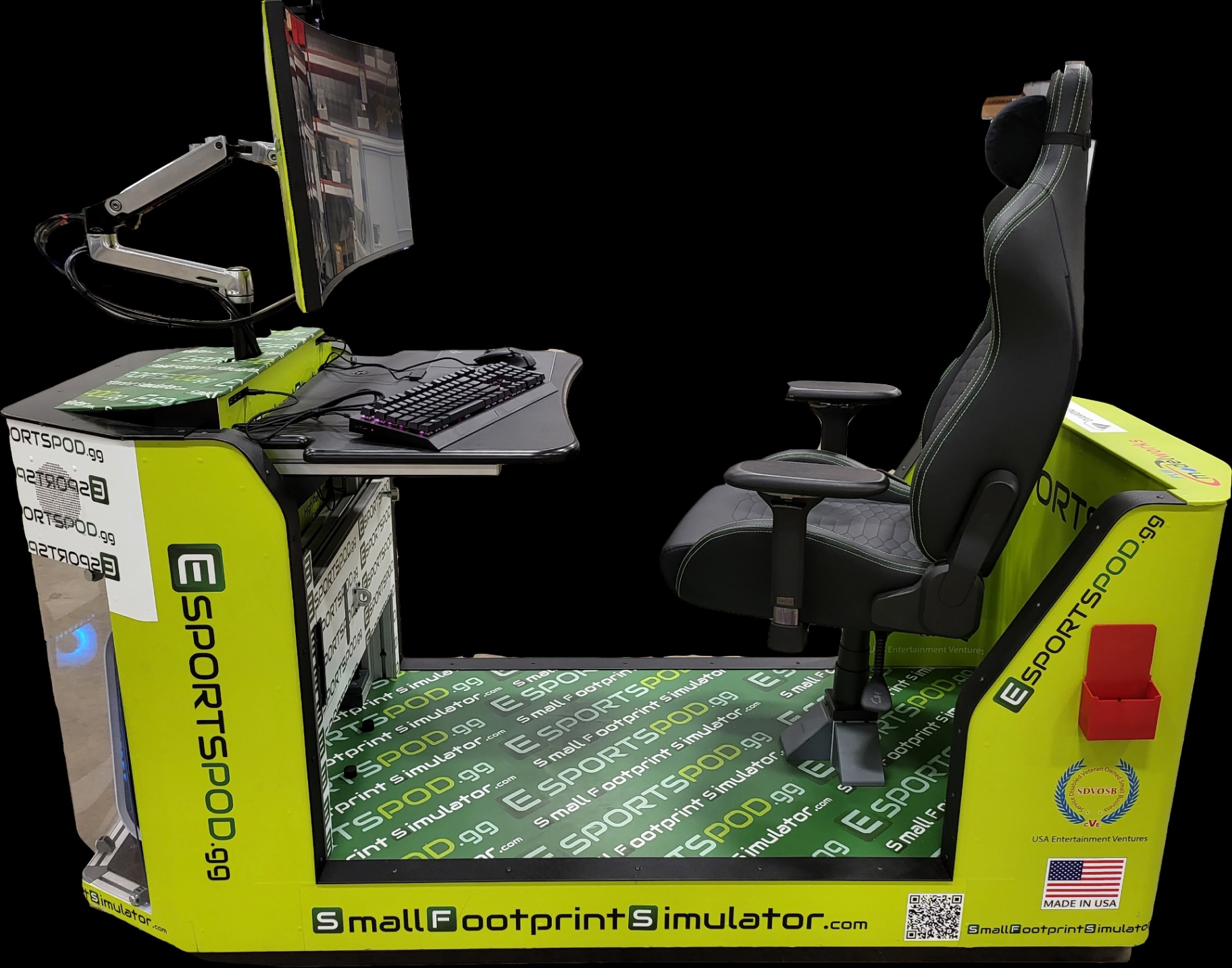
Think about it: a branded tent with free swag creates a 30-second interaction. An AI-powered esports pod embedded in a high school computer lab? That's recurring daily engagement with your brand positioned as the infrastructure enabling career readiness.
Why "Phygital" Isn't Just Buzzword Nonsense Anymore
The smartest campus marketers have already figured this out: they're not choosing between digital or physical. They're building what the industry calls "phygital" experiences: physical installations that serve as anchors for AR, AI personalization, and measurable digital engagement.
But most phygital activations still treat technology as a temporary add-on. You've seen them: a QR code on a poster. An AR filter tied to a two-week campaign. A gaming tournament that disappears after homecoming weekend.
Here's the shift: What if your brand's physical presence wasn't an activation: but infrastructure? What if instead of renting space for a day, you became the space where students develop Cloud/AI literacy five days a week?
The Pod Model: From Pop-Up to Permanent Presence
This is where EsportsPods fundamentally changes the conversation for media buyers.
Traditional campus activations operate on borrowed time and borrowed space. You negotiate access, set up equipment, staff the booth, tear it down, and hope students remember your brand after you're gone.
The Pod model flips this entirely:
- Permanent installation in high school classrooms and computer labs
- Recurring daily usage as part of curriculum delivery (esports, simulation, Cloud/AI skills training)
- Branded infrastructure that positions your company as synonymous with "future-ready education"
- Measurable engagement tracked through usage data, not估 guesswork about foot traffic
You're not renting attention for three hours. You're owning the learning environment where tomorrow's workforce is being developed today.

What Media Buyers Actually Get: The Infrastructure Play
Let's talk specifics, because this isn't theoretical. Here's what the Pod infrastructure delivers that traditional activations can't:
1. Captive, Recurring Audience
Students don't walk past your brand: they sit inside it. Daily. For an entire semester or school year. The Pod becomes the physical location where they practice data analysis, run simulations, collaborate on content creation, and build portfolios.
2. Measurable Career Pathways
Every Pod deployment ties directly to workforce development outcomes. You're not just visible: you're functional. Students using Dell-branded Pods aren't just seeing a logo; they're gaining Cloud computing experience on infrastructure your brand provided. That's not marketing: that's talent funnel architecture.
3. Content Generation at Scale
Remember that 72% organic sharing stat? Multiply that by daily usage. Students create highlight reels, stream competitions, produce tutorial content, and document their progress: all while your brand is positioned as the enabler. This isn't influencer marketing you have to buy: it's authentic content students want to create because the Pod is where they do their best work.
4. Multi-Year Brand Embeds
Campus activations live and die in 24 hours. Pod partnerships run for 3–5 year cycles. You're not chasing semester-by-semester renewals: you're locking in long-term presence as schools standardize their esports and simulation labs.
The AI Literacy Advantage: Why This Matters Now
Here's the uncomfortable truth: most high school students graduate without meaningful exposure to Cloud platforms, AI tools, or simulation-based learning. Colleges and employers are scrambling to close this gap: and brands that provide the infrastructure to solve it become permanently associated with workforce readiness.
This isn't about slapping a logo on a gaming chair. It's about positioning your company as the entity that:
- Democratizes access to professional-grade technology in under-resourced schools
- Delivers scalable curriculum around Cloud/AI literacy through engaging formats (esports, sim racing, content creation)
- Creates measurable outcomes tied to certifications, portfolios, and career pathway development
When a student lands an IT internship because they learned Azure fundamentals in a Microsoft-branded Pod, that's not marketing ROI: that's brand legacy.
What This Looks Like in Practice: The Fortune 5000 Blueprint
The smartest deployment strategies we're seeing combine sponsorship value with infrastructure scale:
- Tier 1 Sponsors ($125K–$150K annually) secure naming rights, exclusive branding across Pod installations, and direct involvement in curriculum development
- Regional rollouts target 10–50 schools simultaneously, creating market-level saturation instead of one-off placements
- Multi-use positioning allows the same Pod to serve esports competitions, STEM simulation labs, content creation studios, and career day showcases
The result? Your brand isn't a guest at the school: it is the lab. Students don't think "Dell sponsored this." They think "This is the Dell Lab where I learned to build in Unreal Engine."

Why Media Buyers Should Care Right Now
The window for becoming a category-defining infrastructure partner in high school esports and simulation is narrow. Right now, most schools are in early planning stages: deciding which technology platforms to standardize, which partnerships to pursue, and which brands to embed in their long-term facility plans.
First-movers win here. Once a school installs Dell Pods, they're not ripping them out to try HP next year. Once students learn AWS fundamentals in Amazon-branded simulation stations, that's their frame of reference for Cloud platforms moving forward.
Traditional activations let you test the waters. The Pod model lets you own the shoreline.
The Creative Director's Question: What Does This Actually Look Like?
Fair question. Here's the creative opportunity:
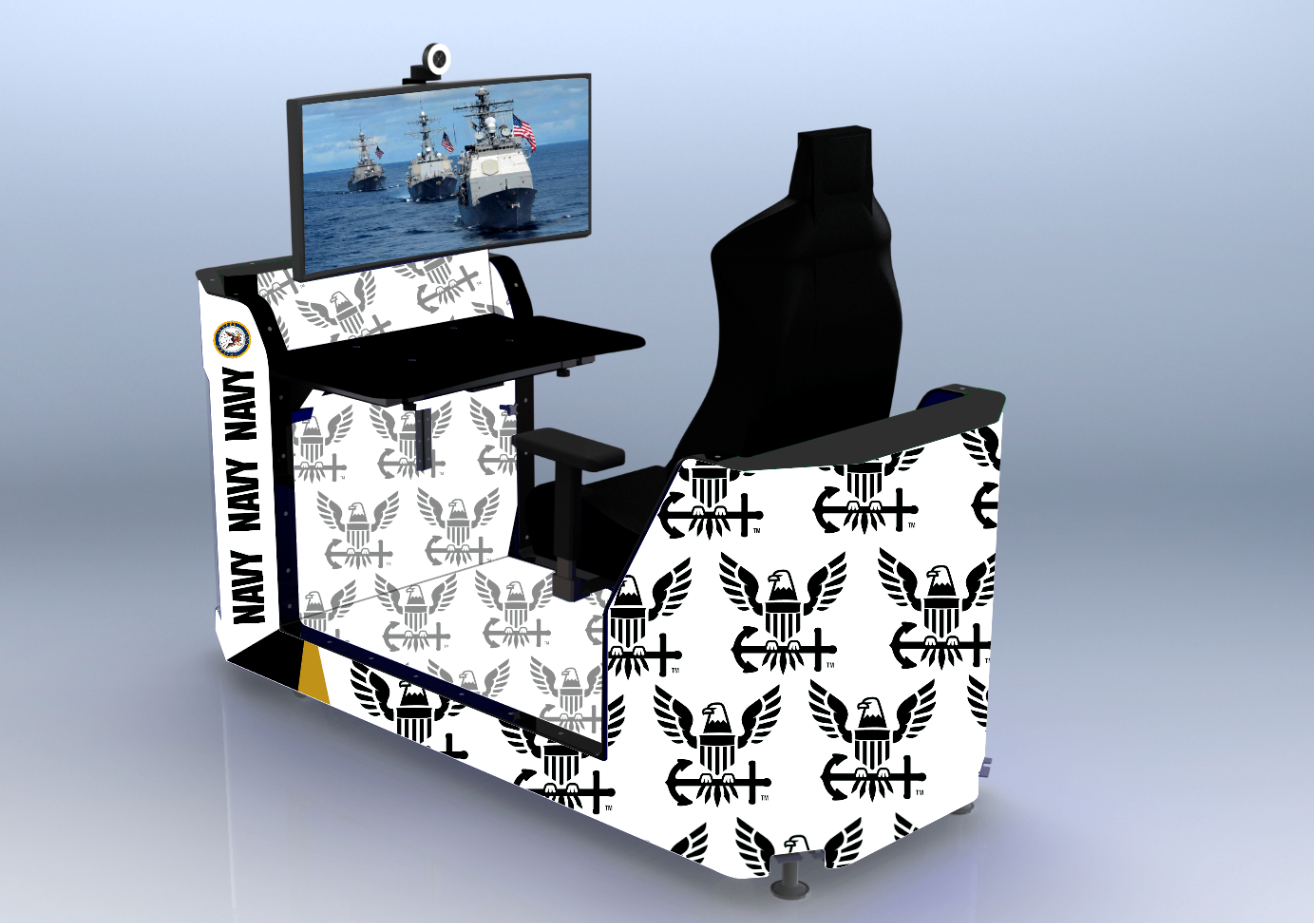
Exterior branding on Pod chassis (logo placement, color schemes, taglines)
Interior integration on boot screens, dashboard UI, tutorial content
Environmental design around Pod installations (banners, murals, sponsor walls in labs)
Content partnerships where student-created work features brand storytelling
Event activation using Pods as hubs for tournaments, showcases, and career fairs
The beauty of permanent infrastructure? You're not locked into a single creative execution. Firmware updates, screen content, and curriculum materials can evolve semester-by-semester while the physical Pod remains consistent.
You get the brand permanence of stadium naming rights with the creative flexibility of digital campaigns.
The Bottom Line: Infrastructure Beats Interruption
Traditional campus activations aren't dead: but the winning strategy has fundamentally changed. Gen Z wants physical experiences, but they want those experiences to do something.
AI-powered esports Pods deliver what temporary activations can't: permanent presence, recurring engagement, measurable workforce outcomes, and long-term brand embeds in the institutions shaping tomorrow's talent.
For media buyers and creative directors, the question isn't whether to invest in campus infrastructure: it's whether you're going to lead this category or watch competitors own it.
The schools are building these labs right now. The only question is whose name will be on them.
Ready to explore what national Pod infrastructure looks like for your brand? Let's talk deployment strategy, sponsorship structures, and how to turn high schools into your most valuable media property. Visit esportspod.gg or reach out directly: because the brands defining the next generation of talent don't wait for permission.
They build the infrastructure.