Esports careers beyond playing include casters who commentate matches, coaches who run practice, analysts who study data, producers who build the broadcast, and event, community and marketing staff who support all of it. Few players compete for long, so most people in the industry work off-screen. Students can start building these skills in school, long before a job posting appears.
Key takeaways
- Most esports jobs are behind the scenes: production, analysis, coaching, operations and marketing.
- Casters need game knowledge, clear speech and preparation.
- Analysts and coaches work with match data, replays and player development.
- Producers and event crews need technical and organizational skills.
- Students can practice every one of these roles in a school program.
What does an esports caster do?
Casters commentate live matches. A play-by-play caster describes the action as it happens, and an analyst caster explains strategy and why a play worked. Together they turn a confusing screen into a story.
The skills are specific. You need to know the game thoroughly, speak clearly under pressure, stay neutral, and prepare by studying teams and players. Good casters sound spontaneous because they did a lot of homework.
What do coaches and analysts do?
Coaches develop players and teams. They plan practice, review mistakes, manage communication and help players handle pressure. In a school, a coach is often part teacher, part scheduler and part mentor.
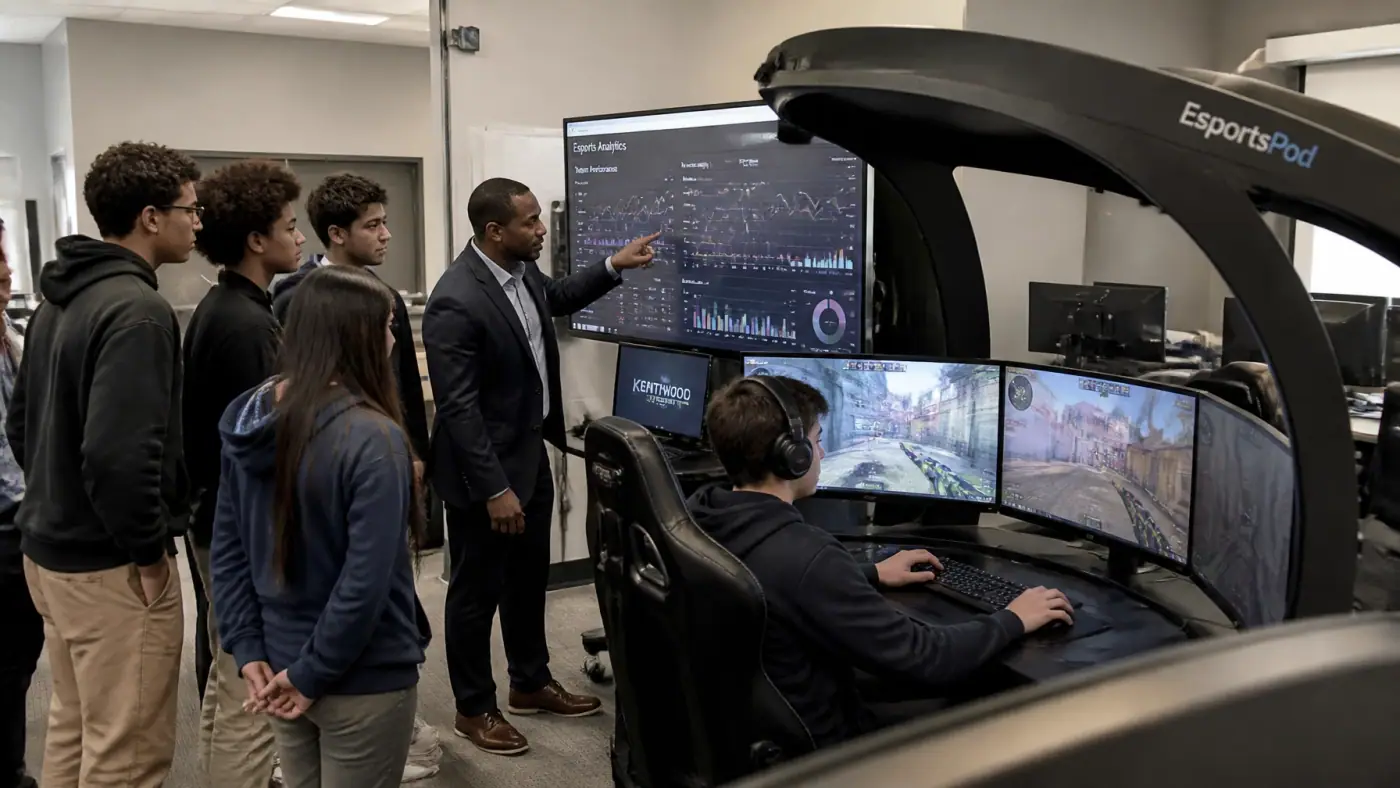
Analysts study the game. They watch replays, track statistics and look for patterns, such as how an opponent opens a round or where a team loses fights. Their work connects to the kind of telemetry studios collect, which we cover in our post on how studios use player data.
What about producers and event crews?
Producers and technicians make the broadcast and the event work. Responsibilities include directing cameras and in-game observers, running replays and graphics, managing audio and keeping the network stable. Tournament admins and referees enforce rules and keep matches moving.
These are practical, hands-on jobs with transferable skills. Live production experience applies to sports, music and corporate events too, which gives people options outside gaming.
Which other roles exist?
- Community managers: run Discord servers, social channels and fan communication.
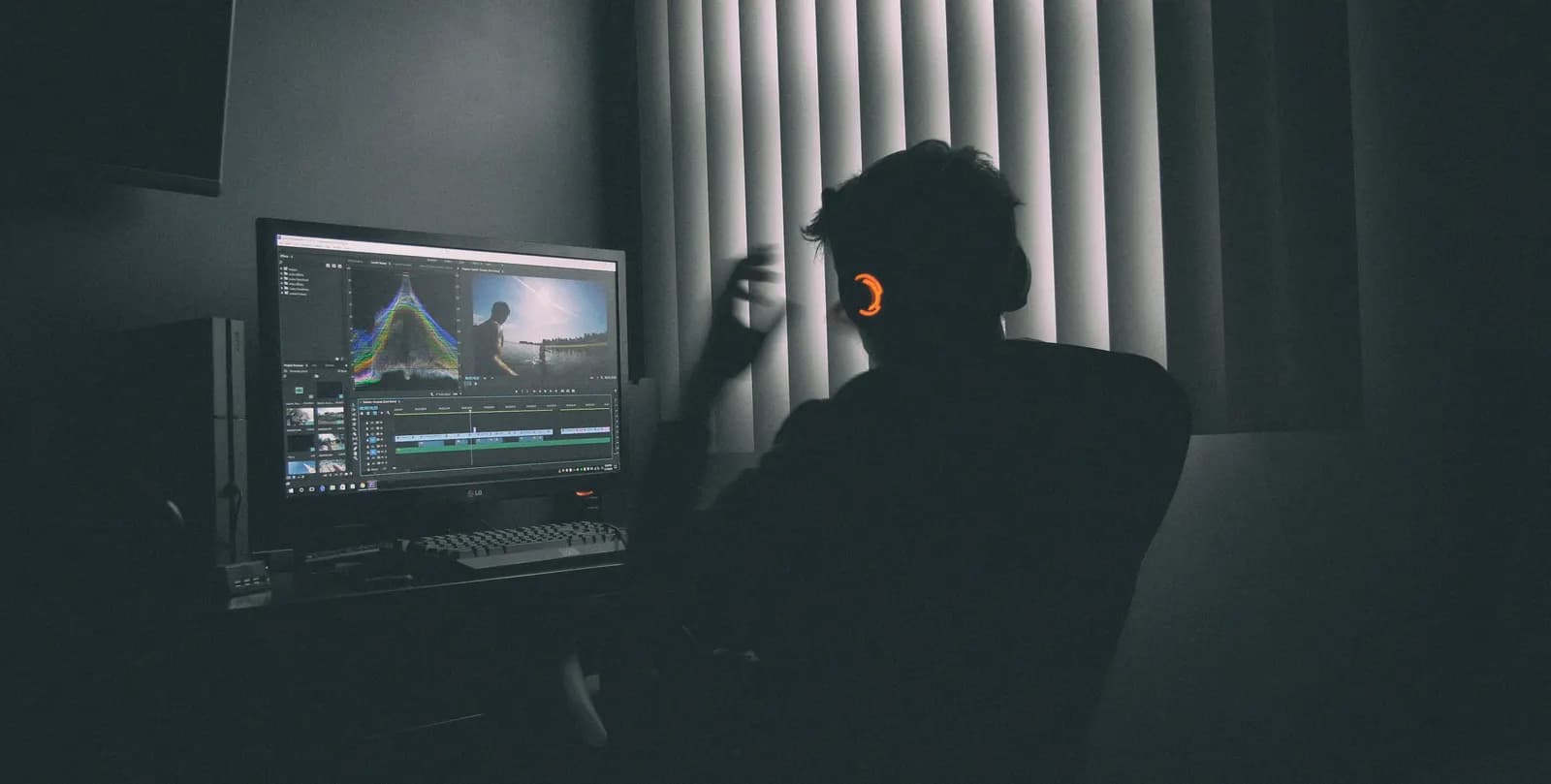
- Content creators and editors: produce highlights, shows and social clips.
- Marketing and sponsorship staff: work with brands and partners.
- Event operations: handle venues, logistics, travel and schedules.
- Team managers: handle contracts, schedules and compliance.
- Esports program directors: run school and college programs.
Many people hold more than one of these roles at smaller organizations, which is a good way to learn quickly.
How can students start building these skills?
Start with whatever's in front of you. Commentate scrimmages, review replays, set up a stream, manage the team's social account, write the tournament rules, run a bracket. Keep a portfolio of what you did and what you learned.
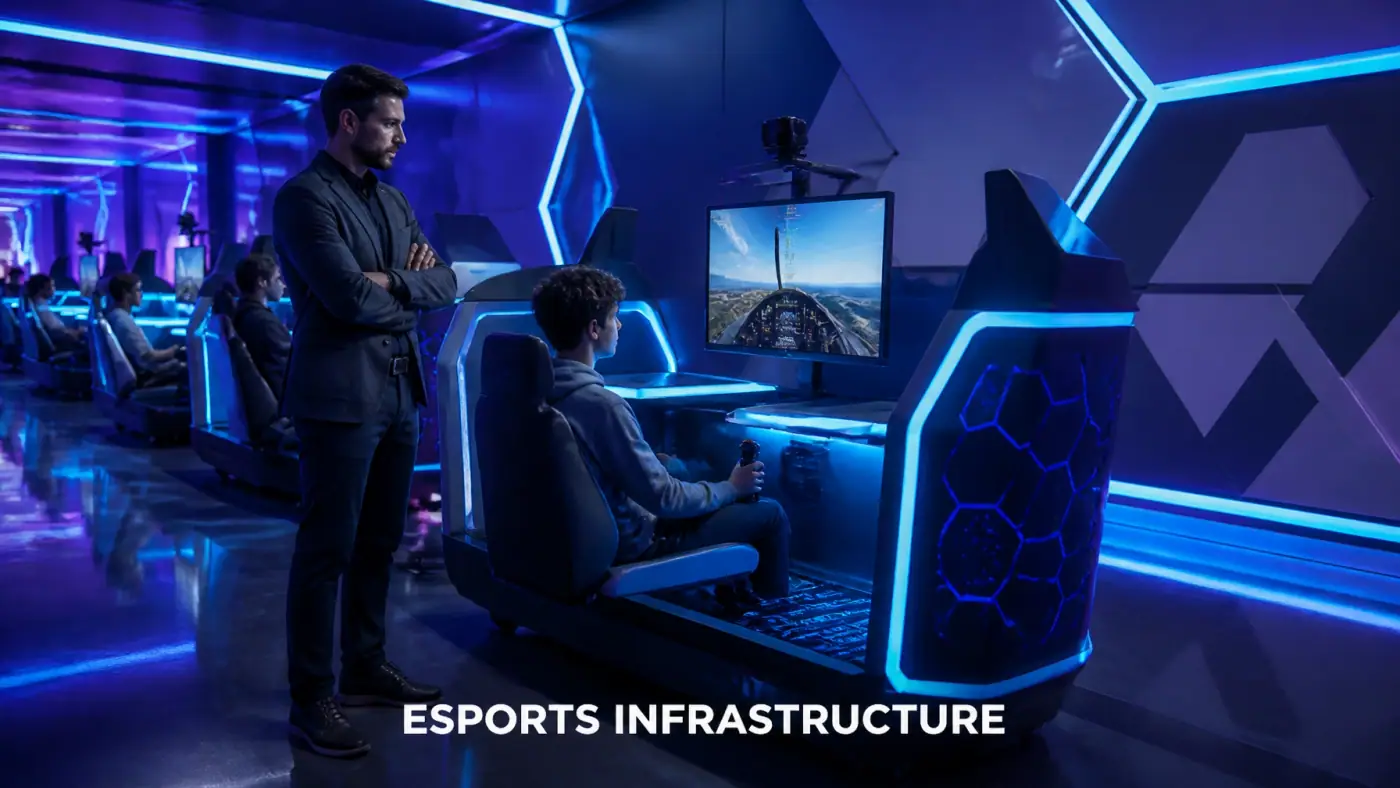
School programs make this easier. At Esport Pod by Sports Media, Inc., each pod includes a Razer Kiyo streaming camera and a projector slot, so students can try broadcast and production roles alongside competing. Learn about the internship opportunities we offer, or see the pod hardware.
What does a typical first step look like?
Usually a small, unpaid or low-paid role that proves reliability: helping with a school tournament, running a bracket for a local league, editing highlights for a team or moderating a community. Those jobs build a track record faster than applications do.
Keep records of what you ran, how many people took part and what you'd change next time. Ask a coach or organizer for a short reference while the memory is fresh. Hiring managers in this industry tend to value people who have actually run something. Specifics make a portfolio credible, and credibility is what gets a second opportunity.
Frequently asked questions
Do I need to be a great player to work in esports?
No. Many casters, analysts, producers and managers were never elite players. You need to understand the game and the industry, but your main skill can be communication, data, production, organization or marketing.
What should I study for an esports career?
There's no single path. Useful areas include communications, media production, data analysis, business, marketing and sports management. Hands-on experience with a school team or local events often counts as much as a particular degree.
Are esports jobs stable?
The industry has gone through growth and cutbacks, so it pays to build transferable skills. Production, analysis, marketing and operations apply in many industries. Treat esports as one place to use those skills, not the only one.
How can a school help students prepare?
Give students real roles: casters, producers, analysts, captains, event staff. Let them run scrimmages and small tournaments, with adults supervising. Equipment that supports streaming and projection makes those roles practical rather than theoretical.
Educators who want these pathways in their building can learn more about the Esport Pod program.