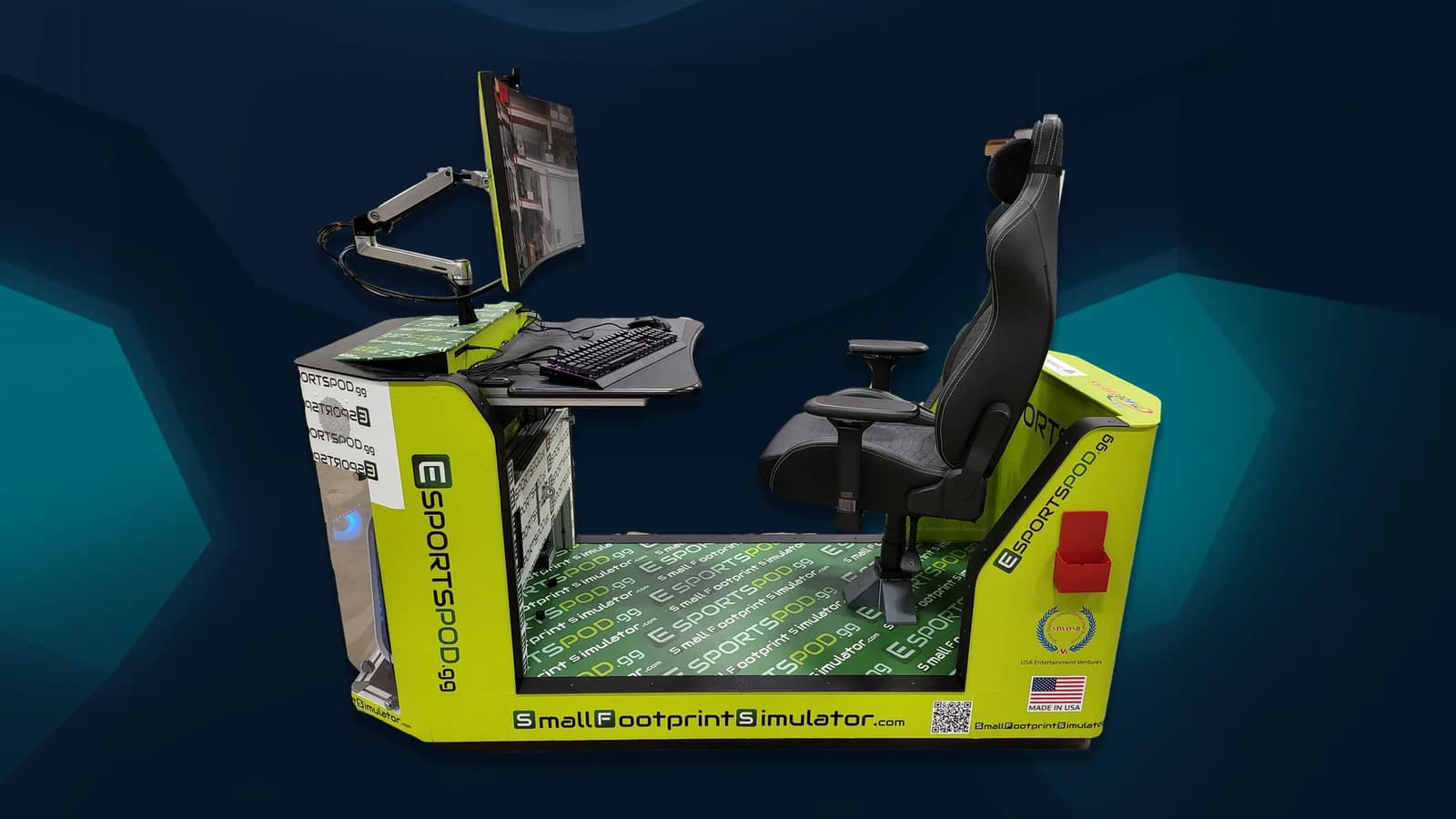
A high school esports program can help students build skills, a competitive record and a portfolio that college programs may notice. It can't promise a roster spot or a scholarship, and anyone who says otherwise is selling something. Esport Pod by Sports Media, Inc. gives schools a consistent practice station, but the pathway still depends on the students, the coaching and the colleges.
Key takeaways
- Colleges recruit differently, and rules for NCAA-level programs change, so check current requirements directly.
- Consistent hardware makes practice and scrimmage results easier to compare.
- Grades, communication and leadership matter as much as in-game results.
- Document everything: schedules, results, VODs and roles.
- Treat esports as one path among several, including production, coaching and game design.
Is there a direct path from high school esports to college?
There are several paths, and none are guaranteed. Some colleges run varsity or club esports programs, some offer scholarships, and some simply welcome students into campus clubs. The details vary by school and change over time.
Whether a program sits under an athletics department, a student life office or an academic unit also varies. If your students are aiming at a specific college, the most reliable step is to contact that program and ask what they look for. We aren't going to pretend one formula fits every campus.
What do college programs tend to look for?
Most coaches say the same boring things, and boring is useful. Based on how programs typically describe recruiting, students should expect questions about:
- Academics: Grades and course load. A student who can't stay eligible can't play.
- Game results and rank: Where a title offers a public ladder, rank can show progress. It's not the only factor.
- Teamwork: How the student communicates, handles losses and responds to feedback.
- Role clarity: Can they explain what they do on a team and why?
How can a school build the pathway?
Start with structure. A program with a schedule, a coach and clear expectations produces better evidence than a lunchtime free-for-all.
- Set practice blocks. Regular sessions at pods with identical hardware mean you're comparing players, not computers.
- Teach review habits. Have students record and review their own matches, then write short notes on what to change.
- Rotate roles. Let students try shotcalling, coaching, analysis and casting. These skills translate to college programs and to jobs.
- Keep a portfolio. Results, role descriptions, leadership examples and a short highlight reel give a coach something concrete.
- Host in-person events. A LAN event with every pod in one room gives students experience with the pressure of live play.
Why does identical hardware matter?
It removes one excuse and one confusion. When every pod has the same Alienware PC, 38-inch curved monitor, Razer chair and headset, a difference in performance is about the player and the practice, not the gear.
A caveat we repeat often: online play across distance always adds ping, so identical network conditions only hold at in-person LAN events. If you want clean comparisons, run them locally.
What about careers beyond playing?
Many students find their fit off the main stage. Broadcasting, event production, social media, coaching, team management and tournament operations all show up in college programs. The pod's Razer Kiyo camera and headset support streaming and commentary practice, and internship opportunities can add real experience. See our internships page for how students can get involved.
| Skill | How to practice it at school |
|---|---|
| Communication | Scrimmage reviews, callouts, team meetings |
| Leadership | Captain and coach rotations |
| Analysis | Match review notes and strategy briefs |
| Production | Streaming, casting and event crews |
Frequently asked questions
Can a high school esports program lead to an NCAA scholarship?
We can't promise that. Scholarships and program structures vary by college, and rules change. Some colleges offer esports scholarships and some don't. Students should contact their target programs directly and ask about eligibility, recruiting practices and any current governing-body requirements before making plans.
Do students need to be top-ranked to play in college?
Not necessarily. Rank can help in some titles, but coaches also look at attitude, communication and academics. Programs need players, but also analysts, broadcasters and managers. A well-rounded student with documented experience has more options than a rank alone suggests.
How should a school document student progress?
Keep a simple record for each student: practice attendance, match results, role descriptions, review notes and any leadership or event work. Short highlight clips help too. A one-page summary is easier for a college coach to read than a long spreadsheet.
Is esports only for gamers who want to go pro?
No. Esports programs involve production, marketing, coaching, event management and technical roles. A student who never wants to compete professionally can still build a college application and a career around skills they practice in the program.
Next step
If you're building a program with a long view, the Esport Pod page shows the hardware your students would practice on. You can also book a demo to talk through deployment sizes and how schools set up their first season.