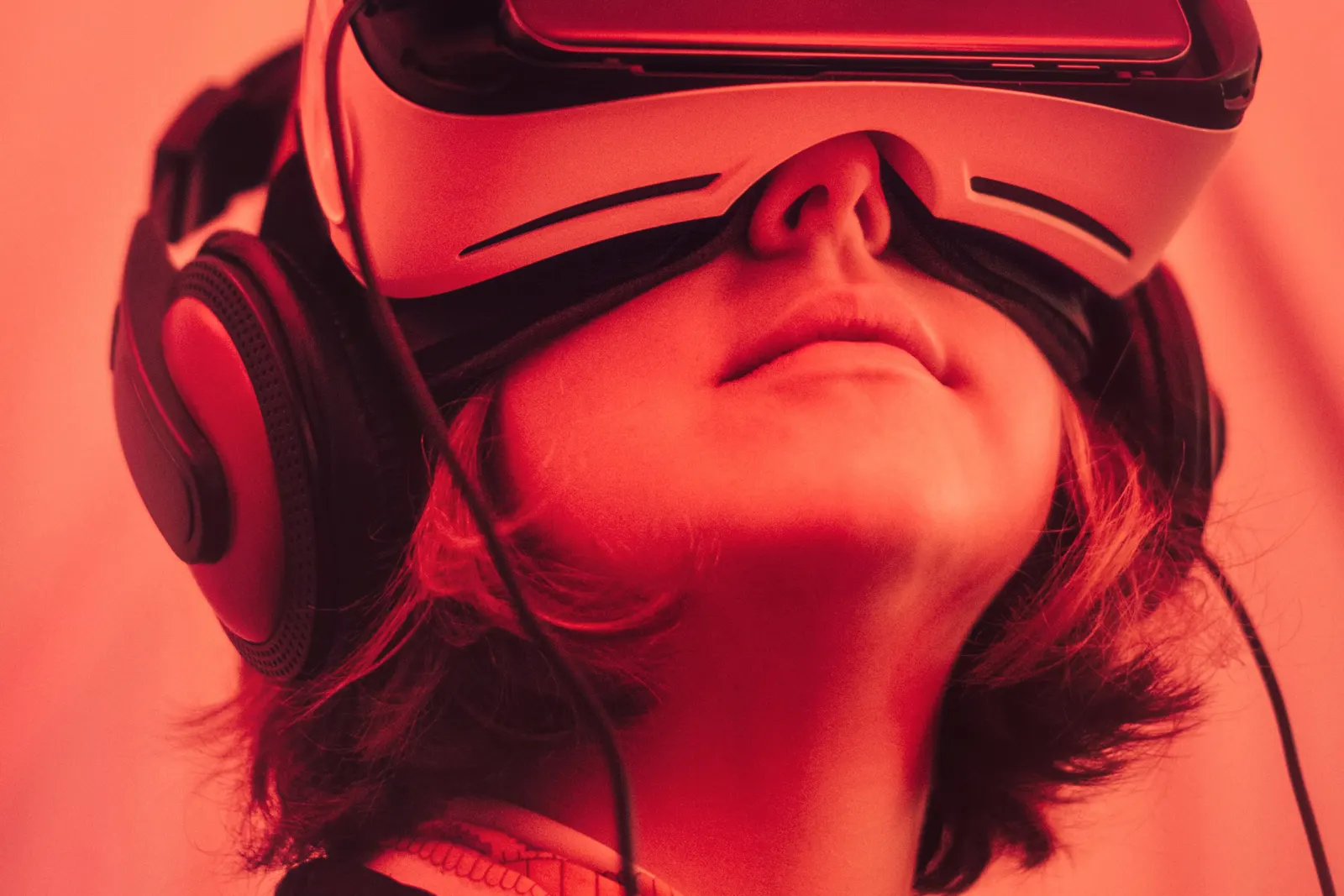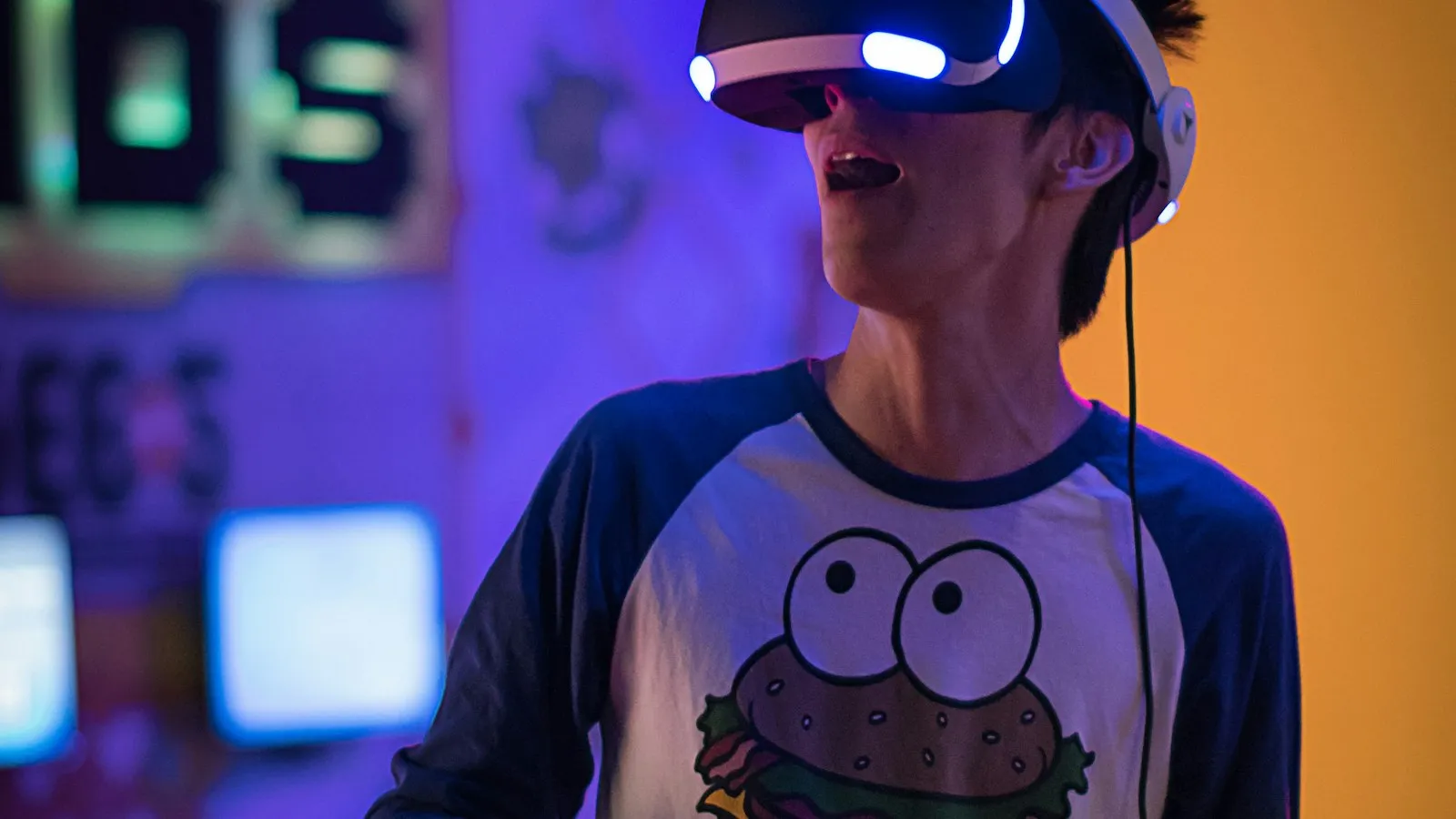
In 2026, virtual reality is a solid but specialized technology: strong for training, simulation and some games, still a niche for mainstream competitive play. Headsets are lighter and more capable than early models, yet comfort, cost and content remain the main limits. Here's an honest read on where VR stands and where it helps.
Key takeaways
- VR works best today for training, simulation and immersive single-player or social experiences.
- Competitive esports is still dominated by monitors, keyboards, controllers and wheels.
- Comfort, setup, motion sickness and cost still decide who uses VR regularly.
- Schools get the most from VR when it's tied to a clear learning goal.
Where does VR stand in gaming in 2026?
It has a loyal audience and a steady catalog, but it hasn't replaced the traditional screen. Many players enjoy VR for rhythm games, fitness, social spaces, racing and flight, and some adventure titles. Few top competitive scenes use it, and that gap says more about the state of VR than any product announcement does.
The reasons are practical. Headsets are more comfortable than they used to be, but long sessions still tire many people. Competitive play also demands precision, spectator-friendly broadcasts and a large player base, and VR struggles to provide all three at once. Treat any claim that VR is about to take over as marketing until proven otherwise. Ask who benefits from the claim, and what evidence sits behind it.
What is VR good at for training?
Practicing procedures that are costly, risky or hard to access in real life. A headset can place someone in a cockpit, a vehicle or a workplace scenario and let them repeat it as often as needed.
- Safety and procedures: rehearse steps without real-world danger.
- Spatial skills: walk around a 3D model or environment.
- Driving and flying: build familiarity with controls and sightlines.
- Soft skills: practice conversations in simulated scenarios.
The research on learning outcomes is mixed, and results depend heavily on lesson design. VR isn't a cure for weak instruction. It's a tool that tends to work when the task benefits from presence and repetition.
What are the biggest limits of VR?
Comfort, friction and cost. Motion sickness affects some users, particularly in games with artificial movement. Setup can take time. Hygiene matters when headsets are shared. And quality hardware plus a capable PC isn't cheap.
Content is the other limit. Great VR titles exist, but the library is smaller than for flat-screen games, and developers weigh the smaller market. Eye tracking and better displays are improving the experience, though the trade-offs haven't gone away.
Does VR make sense for schools?
Sometimes, if there's a clear reason. A flight, driving or science lesson can benefit from immersion. A general "let's get VR" purchase usually collects dust.
If you're thinking about it, plan for supervision, cleaning, session length limits and age guidance from the headset maker. Start with a small pilot. Esport Pod by Sports Media, Inc., for instance, offers an optional HTC Vive Pro Eye VR headset at $1,499 alongside its monitor-based setup, so a school can use VR where it adds value and skip it elsewhere. You can see how that fits in on our products page.
Where is VR heading next?
Likely toward lighter headsets, sharper displays, better tracking and more mixed reality, where digital objects blend with the room. Standalone devices have grown popular because they remove the cable and the PC, while PC-connected headsets still offer more power.
We'd expect gradual progress rather than a sudden jump. Training and enterprise uses will probably keep leading, with gaming growing more slowly. For a wider look at the sector, our global esports overview places VR in context.
Frequently asked questions
Is VR good for competitive esports?
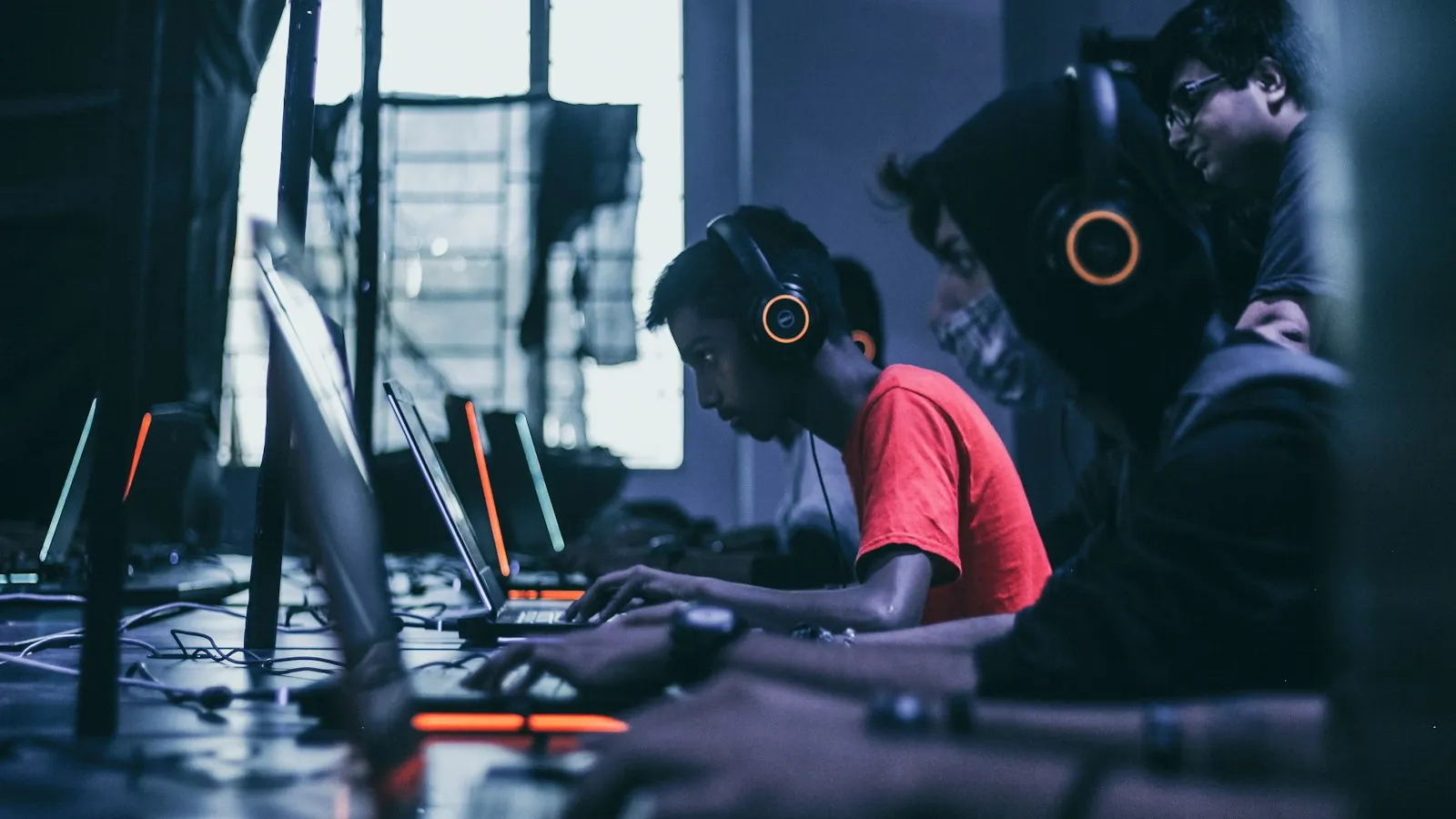
Mostly not yet. The leading competitive titles are played on monitors with keyboards, controllers or wheels. VR has niche competitive scenes, but spectating, balance and player pools are limits. It's better known for training, simulation and social or fitness games.
Can VR cause motion sickness?
Yes, for some people. Artificial movement, low frame rates and long sessions raise the risk. Start with short sessions, choose comfort settings, and stop if someone feels unwell. Follow the manufacturer's age and safety guidance, especially for younger users.
Is VR worth it for training?
It can be, when the task benefits from presence and repetition, such as driving, flying or safety procedures. Results depend on lesson design, and evidence is mixed. Define the learning goal first, then decide whether VR is the right tool.
Do you need a gaming PC for VR?
PC-connected headsets generally need a capable gaming PC, while standalone headsets run on their own with less power. The HTC Vive Pro Eye is a PC-based headset. In an Esport Pod, the Alienware PC handles that role.
If you're weighing VR for a school, book a demo to see how a pod handles both monitor and headset use.