March is Women's History Month, a natural time to look at who participates in esports and who does not. Girls and women play games in large numbers, yet competitive programs often skew heavily male. Schools have a real opportunity to change that by designing programs where every student feels welcome.
Short answer: schools can build more inclusive esports programs by setting clear conduct standards, recruiting intentionally, offering diverse games and roles, creating visible role models, and making sure every student has equal access to equipment and practice time.
Why does inclusion matter in school esports?
Esports programs build skills in teamwork, technology and leadership. If some students feel unwelcome, they miss those benefits. Inclusive programs also tend to be stronger programs, with broader talent, better team culture and more community support.
What keeps girls from joining esports teams?
- Concerns about harassment or toxic behavior online
- Few visible role models in competitive gaming
- Programs that focus on a narrow set of games
- Feeling like the team is already a closed group
How can a program set the right culture?
Culture starts with a written code of conduct that prohibits harassment and discrimination, with clear consequences. Advisors must enforce it consistently. During practices, coaches can model respectful communication and correct problems immediately. When students see that the rules are real, they are more likely to join and stay.
How do you recruit more girls and women?
- Host open play days with a range of game genres
- Invite students through clubs, classes and counselors, not just gaming channels
- Recruit students for broadcasting, design and management roles
- Consider all-skill-levels practice sessions
- Highlight current female players, casters and leaders
How do diverse roles and games help?
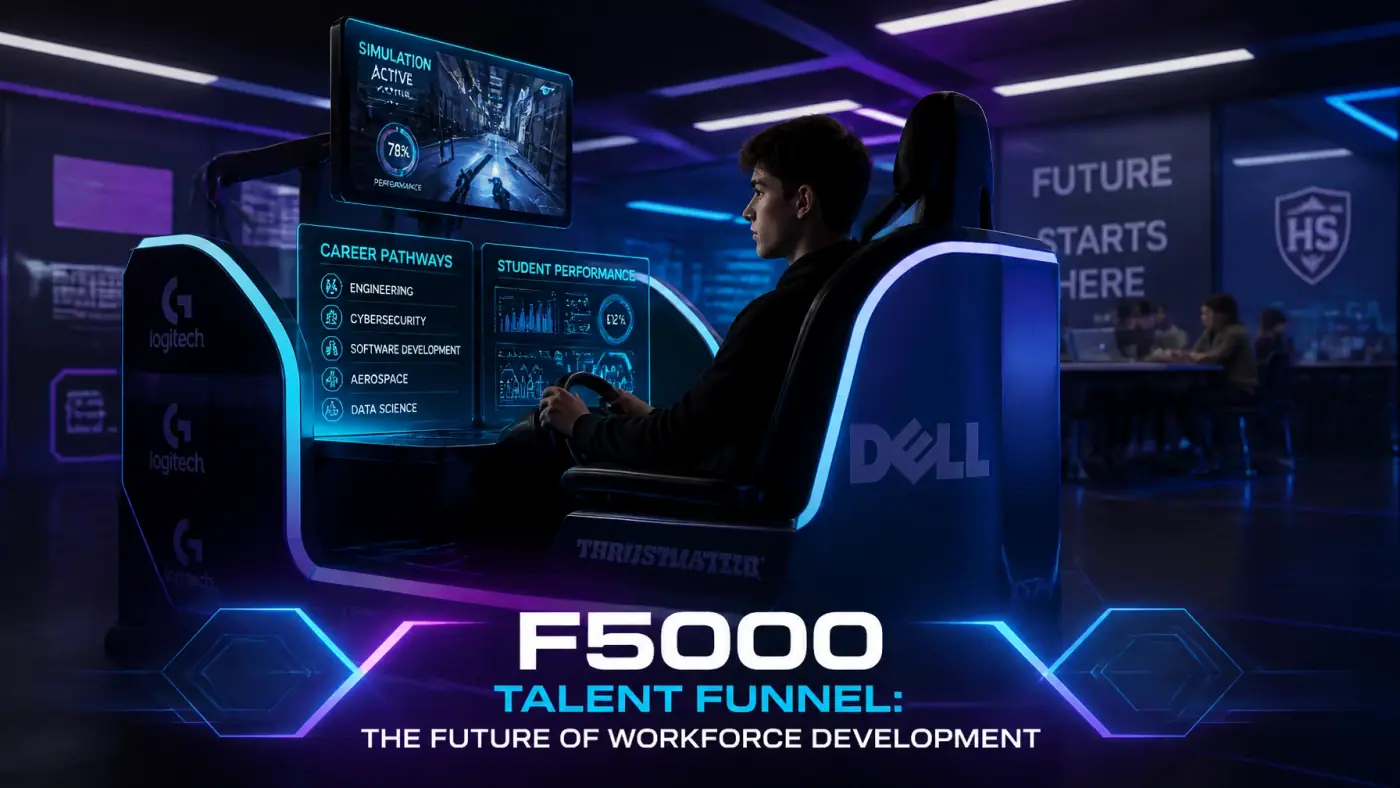
Esports is more than one type of competition. Racing simulation with Thrustmaster wheels and pedals, flight simulation, VR, and content creation all appeal to different students. A station like the Esports Pod, which supports competitive games, simulation, and streaming with a Razer Kiyo camera and Razer Kraken headset, lets a program offer many entry points from one seat.
Why do role models matter?
Students are more likely to join when they see people like themselves already succeeding. Invite female alumni, coaches, casters or industry professionals to speak with the team. Feature girls and women prominently in streams and promotional materials. Recognize leadership as well as competitive results.
How should programs handle online harassment?
Online competition can expose students to comments from strangers. Prepare players before it happens. Teach them how to mute, report and block, and make sure they know to tell an adult right away. Use moderation tools on school streams, and document incidents so the program can respond consistently. Students who know they will be supported are more confident competing.
How can schools measure inclusion?
Track participation by role and game, gather anonymous feedback about team culture, and review the data each semester. Use what you learn to adjust recruiting and practice structures. If you are planning an inclusive program, explore our products page or contact us.
What role can families play?
Families are powerful allies. Invite parents to open play nights and showcase events so they can see the program's culture firsthand. Share the code of conduct and supervision plan. Parents who understand the program are more likely to encourage their daughters to join and to support the team over time.
Frequently asked questions
Do girls play video games?
Yes. Many girls and women play video games. The gap is often in competitive program participation, which inclusive practices can help close.
How can schools prevent harassment in esports?
Adopt a clear code of conduct, enforce it consistently, supervise practices and streams, and teach students how to report problems.
Are there non-playing roles in school esports?
Yes. Broadcasting, casting, graphic design, social media, analytics and team management are valuable roles in any program.