

Your talent pipeline is broken, and you know it.
While HR departments scramble to fill cybersecurity, IT, and software development positions, Fortune 5000 companies are spending an average of $4,129 per hire and waiting 42 days to fill technical roles. Meanwhile, the next generation of tech talent is sitting in high school classrooms, completely disengaged from traditional STEM pathways.
But here's what 500 school districts across North America have discovered: the solution isn't another coding boot camp or tech scholarship program. It's already in the hands of 85% of teenagers, gaming.
The Accidental Training Ground for Your Future Workforce
High school esports programs are quietly becoming the most effective early-stage talent funnel for technical careers since AP Computer Science. And unlike traditional STEM initiatives, these programs don't struggle with engagement or retention.
The data tells a compelling story. Schools implementing structured esports programs report measurable improvements across every metric that matters to workforce development: attendance increases, GPAs rise, and most critically, students develop clear career pathways in technology fields. This isn't about creating professional gamers, it's about creating your next generation of network engineers, cybersecurity analysts, and systems architects.
What Exactly Are Students Learning in These Programs?
When executives hear "esports program," they often imagine kids playing video games in a basement. The reality of modern high school esports infrastructure is radically different.
Technical Skills Development:
- Network Administration: Students learn network architecture, latency optimization, bandwidth management, and troubleshooting in real-time competitive environments
- Cybersecurity Fundamentals: Managing team communications, understanding threat vectors, and implementing security protocols become practical necessities
- Data Analytics: Performance metrics, game theory modeling, and predictive analytics transform abstract concepts into tangible skills
- IT Infrastructure Management: Hardware troubleshooting, system configuration, and performance optimization become hands-on learning experiences
- Digital Literacy: Students develop sophisticated understanding of how systems, platforms, and devices interact at enterprise levels
Beyond pure technical competencies, these programs cultivate the soft skills that separate average hires from exceptional ones: strategic thinking, real-time problem-solving, cross-functional team collaboration, and performance under pressure.
The Talent Funnel Mechanism: From Classroom to Corporation
Here's where this becomes strategically interesting for Fortune 5000 companies.
Traditional talent acquisition focuses on college graduates, expensive, competitive, and increasingly ineffective. High school esports programs create an earlier intervention point, allowing corporations to identify, engage, and develop talent years before they enter the traditional hiring pipeline.
The Four-Stage Funnel:
Stage 1: Awareness & Interest (Grades 9-10)
Students discover technology careers through gaming infrastructure they're already passionate about. Brand exposure through sponsored pods and equipment creates early familiarity with corporate partners.
Stage 2: Skill Development (Grades 10-11)
Structured curriculum combines competitive gaming with coursework in cybersecurity, game design, IT fundamentals, and network management. Corporate-sponsored certifications and training modules integrate seamlessly.
Stage 3: Career Pathways (Grades 11-12)
Internship programs, mentorship opportunities, and direct engagement with corporate partners create clear bridges from high school to career. Students understand specific roles, requirements, and pathways within partner organizations.
Stage 4: Pipeline Conversion (Post-Graduation)
Whether through direct hiring, apprenticeships, or supported college-to-career programs, students enter the workforce with relevant technical skills, brand familiarity, and demonstrated competencies.
The ROI Nobody's Talking About
Let's discuss numbers that matter to executive leadership.
Reduced Acquisition Costs: Early talent pipeline development dramatically reduces per-hire costs. When students graduate already familiar with your technology stack, corporate culture, and career opportunities, onboarding time decreases by 40-60%.
Improved Retention Rates: Employees developed through multi-year engagement programs demonstrate 35% higher retention rates than traditional hires. They're not joining your company, they're continuing a relationship that began years earlier.
Diversity Pipeline Expansion: Esports programs consistently show higher participation rates among underrepresented groups compared to traditional STEM initiatives. Gaming transcends many of the social barriers that limit other technical programs.
Brand Positioning for Gen Z Recruitment: Companies sponsoring high school esports programs position themselves as innovative, youth-focused employers exactly when brand loyalty begins forming. This isn't CSR, it's strategic talent acquisition.
What Implementation Actually Looks Like
The districts seeing transformative results aren't running informal gaming clubs. They're implementing structured programs with dedicated infrastructure, curriculum integration, and corporate partnership frameworks.
Essential Program Components:
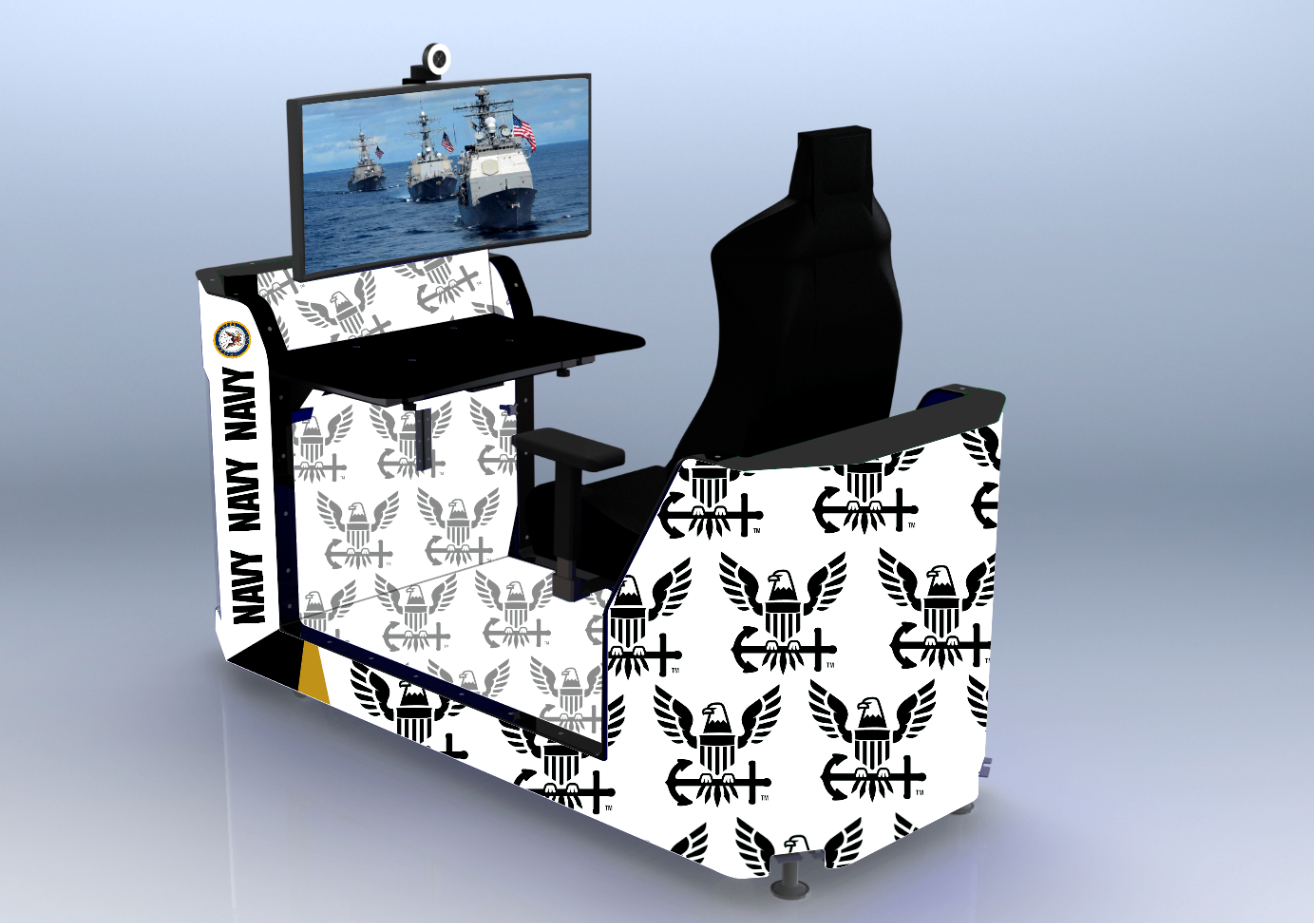
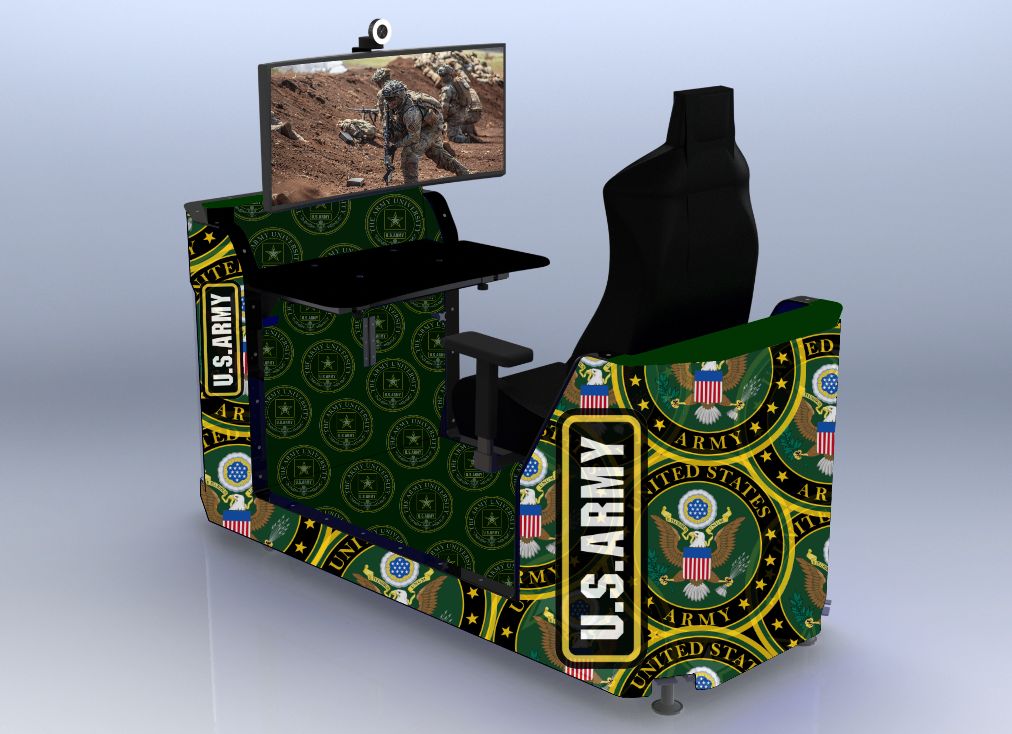
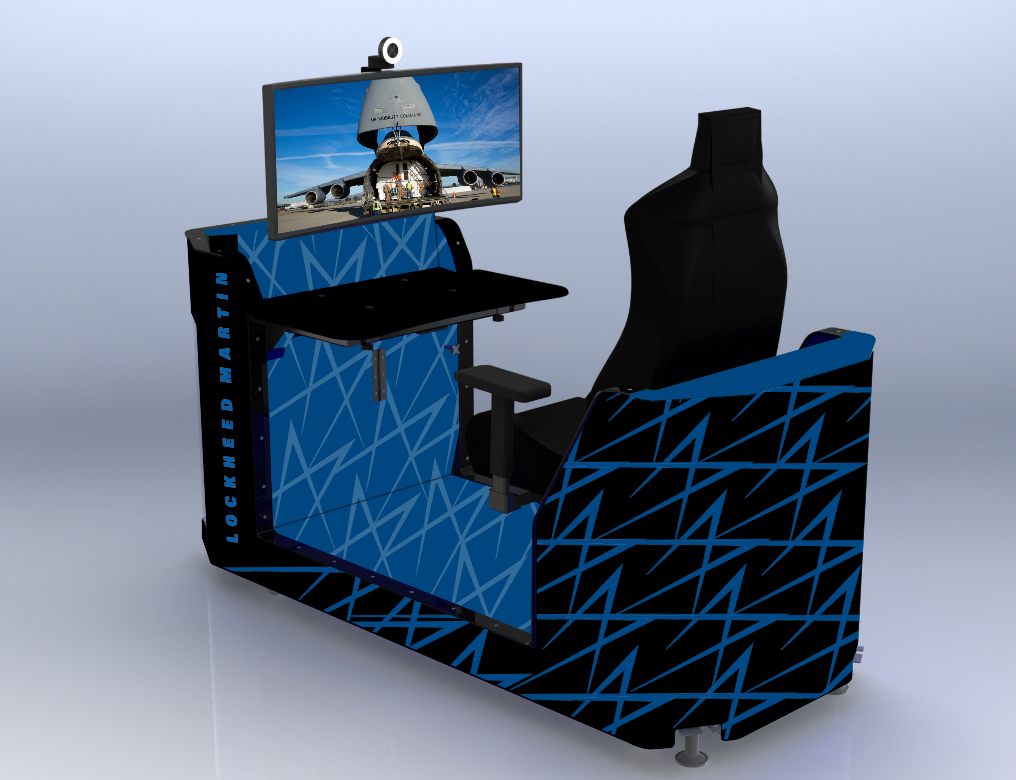
- Dedicated Infrastructure: Professional-grade gaming pods with branded corporate sponsorship opportunities create immersive, career-focused environments
- Integrated Curriculum: Esports teams align with courses in cybersecurity, game design, IT fundamentals, and data science
- Competition Framework: Structured leagues and tournaments provide measurable performance metrics and progression pathways
- Corporate Mentorship: Direct engagement between students and industry professionals creates tangible career connections
- Certification Pathways: Industry-recognized credentials (CompTIA, Cisco, etc.) integrate seamlessly with competitive programming

The Partnership Model Forward-Thinking Companies Are Adopting
Leading Fortune 5000 organizations are moving beyond traditional sponsorship models toward strategic workforce development partnerships.
Tier 1: Brand Integration
Corporate branding on gaming pods, equipment, and facilities creates sustained brand exposure. Students interact with your logo and messaging daily, building familiarity that extends throughout their careers.
Tier 2: Curriculum Development
Custom curriculum modules, certification programs, and technical training developed collaboratively position your company as the career pathway authority in specific technical domains.
Tier 3: Direct Talent Development
Internship programs, summer boot camps, and mentorship initiatives create direct pipelines from high school programs into your organization. Students develop using your tools, learning your methodologies, and understanding your corporate culture.
Tier 4: Strategic Workforce Planning
Multi-year talent development programs allow HR departments to project and plan future hiring needs with unprecedented accuracy. Instead of competing for scarce talent, you're cultivating it.
Why This Matters Now
The tech skills gap isn't improving: it's accelerating. The Bureau of Labor Statistics projects 667,600 new computer and information technology positions by 2030, while computer science enrollment in higher education remains relatively flat.
Traditional talent acquisition strategies aren't solving this problem. They're simply redistributing existing talent at increasingly unsustainable cost.
High school esports programs represent a fundamentally different approach: expanding the talent pool itself by engaging students years earlier, through channels they're already passionate about, building technical competencies that directly translate to corporate needs.
The 500 districts currently implementing these programs aren't running social clubs: they're building your future workforce. The question isn't whether this model works. The data already confirms effectiveness across technical skill development, academic improvement, and career pathway creation.
The question is whether your organization will participate in developing this talent pipeline, or compete for it after your competitors already have.
Building Your Talent Funnel Strategy
Implementation doesn't require massive infrastructure investments or multi-year planning cycles. Effective partnerships begin with:
- Assessment: Identify high schools in your talent recruitment geography with existing or emerging esports programs
- Infrastructure Partnership: Sponsor dedicated gaming pods with integrated brand presence and technical curriculum
- Mentorship Framework: Develop structured engagement between your technical teams and student participants
- Pipeline Development: Create clear pathways from high school program participation to internships, apprenticeships, or direct hiring
The organizations seeing transformative results started with pilot programs in 5-10 schools, then scaled based on measurable recruitment outcomes.
The future of technical talent acquisition won't be won in college career fairs or LinkedIn recruiting wars. It's being built right now in 500 high school esports programs across North America.
The question is simple: will your company develop this pipeline, or recruit from it after your competitors already have?
Ready to explore how high school esports programs can solve your technical talent challenges? Visit EsportsPod to discover how Fortune 5000 companies are building workforce pipelines that begin in high school and extend throughout careers.