

The $47 Billion Question Every Media Buyer Should Be Asking
Here's something that'll save you a ton of budget: Millennials aged 25-44, not Gen Z, are TikTok's strongest purchasing demographic. More than half (54%) have researched companies or products after seeing them on the platform. But here's the real kicker: both groups scroll past 90% of what they see.
Meanwhile, your competitors are spending six figures on influencer partnerships that disappear in 24 hours.
What if I told you there's a way to put your brand in front of high school students for 180 days straight, build genuine technical literacy around your products, and create measurable career pathways: all while other brands are burning cash on vanishing stories?
Physical Infrastructure Beats Algorithmic Hope
Let's talk about something media buyers rarely consider: permanence. A TikTok ad lives for seconds. A branded esports simulation pod lives in a classroom for years.
The difference isn't subtle. It's the difference between renting attention and owning real estate in someone's formative educational experience.
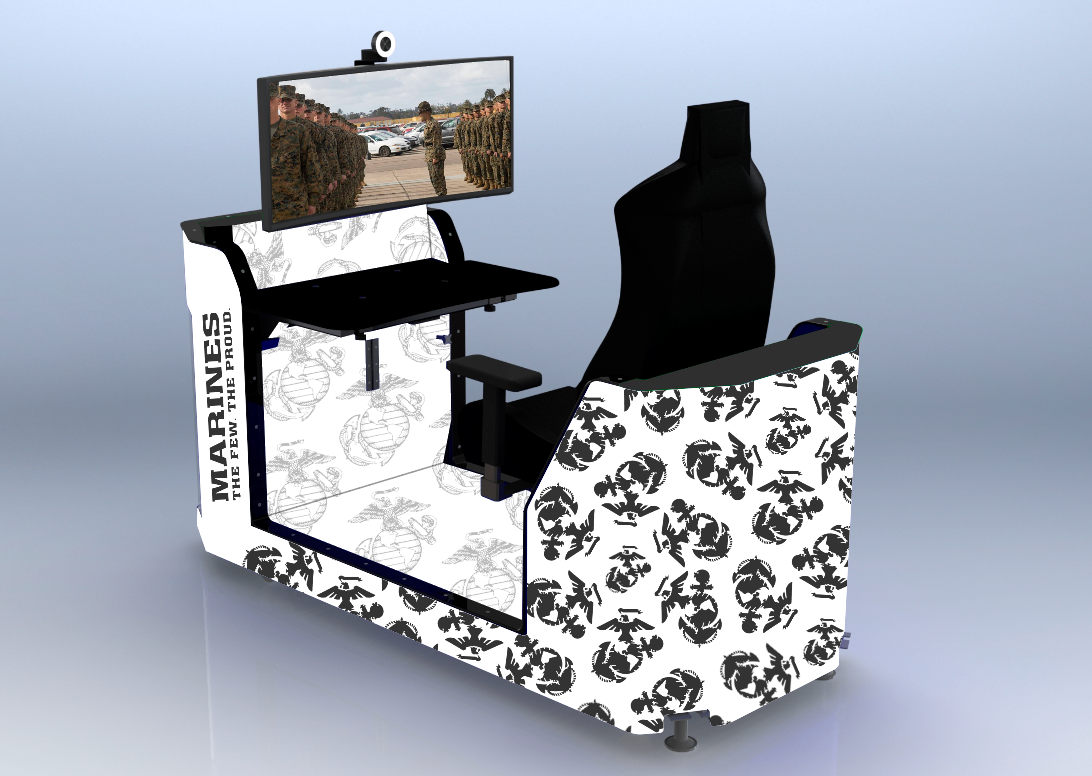
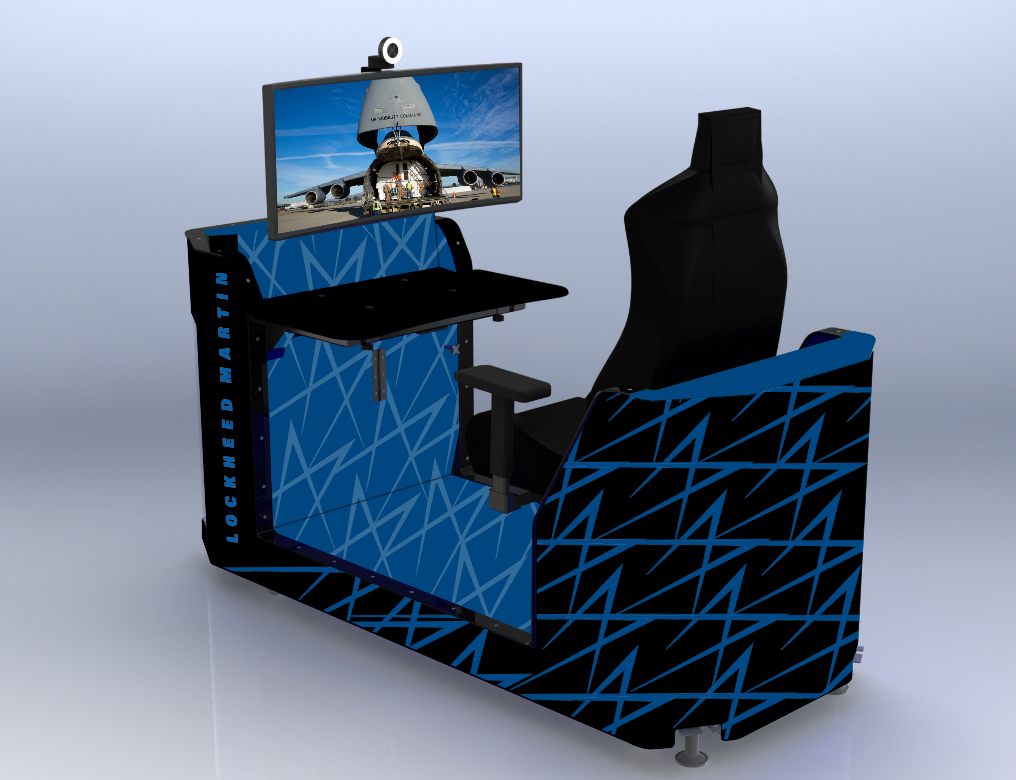
EsportsPod installations create what traditional advertising can't: sustained, meaningful brand exposure tied to skill development and career exploration. When students spend 45 minutes in a Lockheed Martin-branded flight simulation pod three times a week, they're not just seeing a logo: they're associating your brand with their own competency development.
That's not advertising. That's identity formation.
Cloud Literacy: The Skill Gap That's Actually an Opportunity Gap
Here's where creative directors need to pay attention. Cloud computing and AI aren't just buzzwords: they're the infrastructure of every career these students will enter. And right now, there's a massive gap between what schools teach and what employers need.
This gap is your opportunity.
By 2028, 85% of enterprise workloads will run on cloud platforms. Yet most high school curricula still treat computer skills as "typing class." The students graduating today don't know the difference between SaaS and IaaS. They've never touched a cloud-based simulation platform. They don't understand GPU-accelerated computing or edge processing.
Unless someone teaches them.
When your brand powers the infrastructure that introduces students to cloud-based gaming, simulation, and AI-assisted learning, you're not interrupting their experience: you're enabling it. You become the bridge between their current reality and their future careers.
The Brand Affinity Formula: Infrastructure + Education + Time
Traditional advertising operates on interruption. You interrupt someone's TikTok scroll, their YouTube video, their podcast. You hope the interruption is clever enough to stick.
Physical educational infrastructure operates on integration. Your brand becomes part of the learning environment. Students don't tolerate your presence: they leverage it.
Consider the mathematics:
- Average TikTok view duration: 8-12 seconds
- Average esports pod session: 45 minutes
- Sessions per semester: 60-90
- Total brand exposure per student: 45-68 hours
But here's what really matters: it's not passive exposure. Students are actively engaged, building skills, collaborating with peers, and directly experiencing what your technology enables. They're not doom-scrolling. They're learning, competing, and growing.
Research confirms what intuition suggests: Both Gen Z and millennials are 1.5x more likely to try a new brand because of its community connections. An esports pod in their school isn't just hardware: it's a community hub bearing your brand.
The Military Already Knows This (And They're Not Advertising Esports)
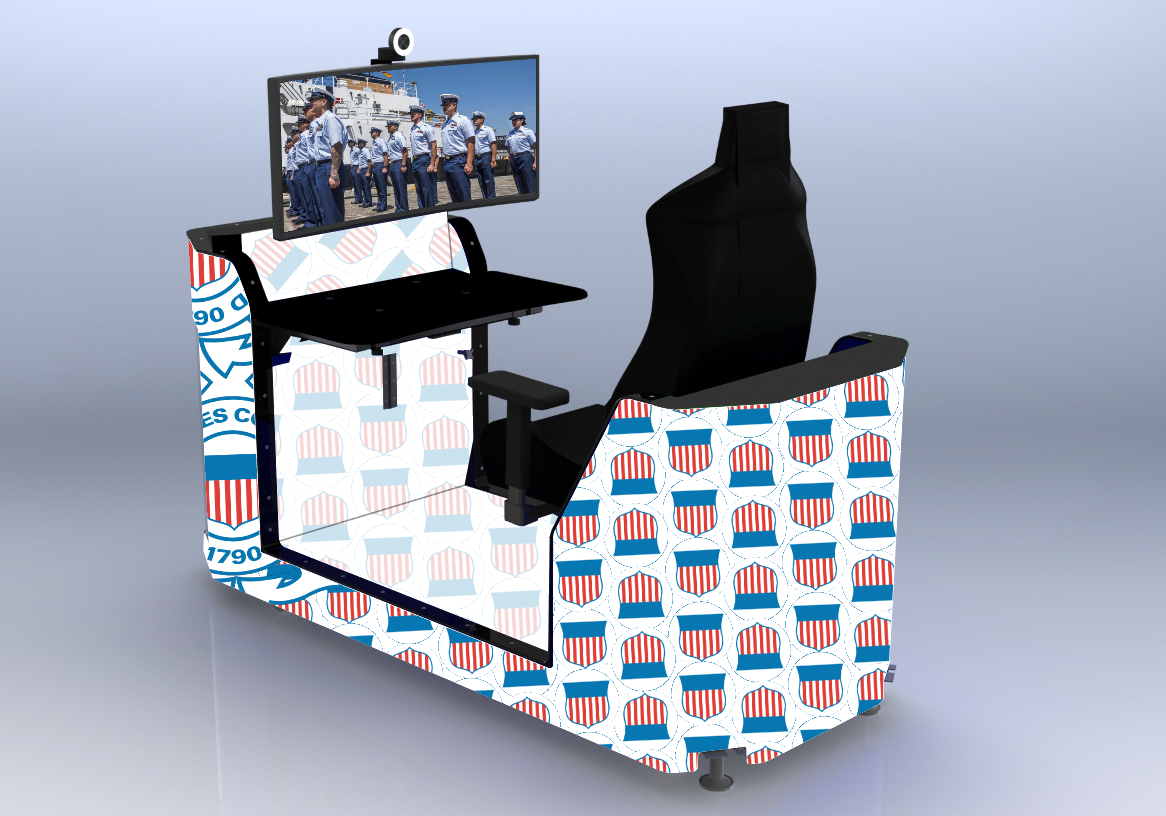
There's a reason the Air Force, Navy, Army, Marines, Space Force, and Coast Guard have all invested in esports infrastructure for recruitment and education. They understand something most advertisers miss: The young people who excel at cloud-based gaming and simulation today are the technical operators they need tomorrow.
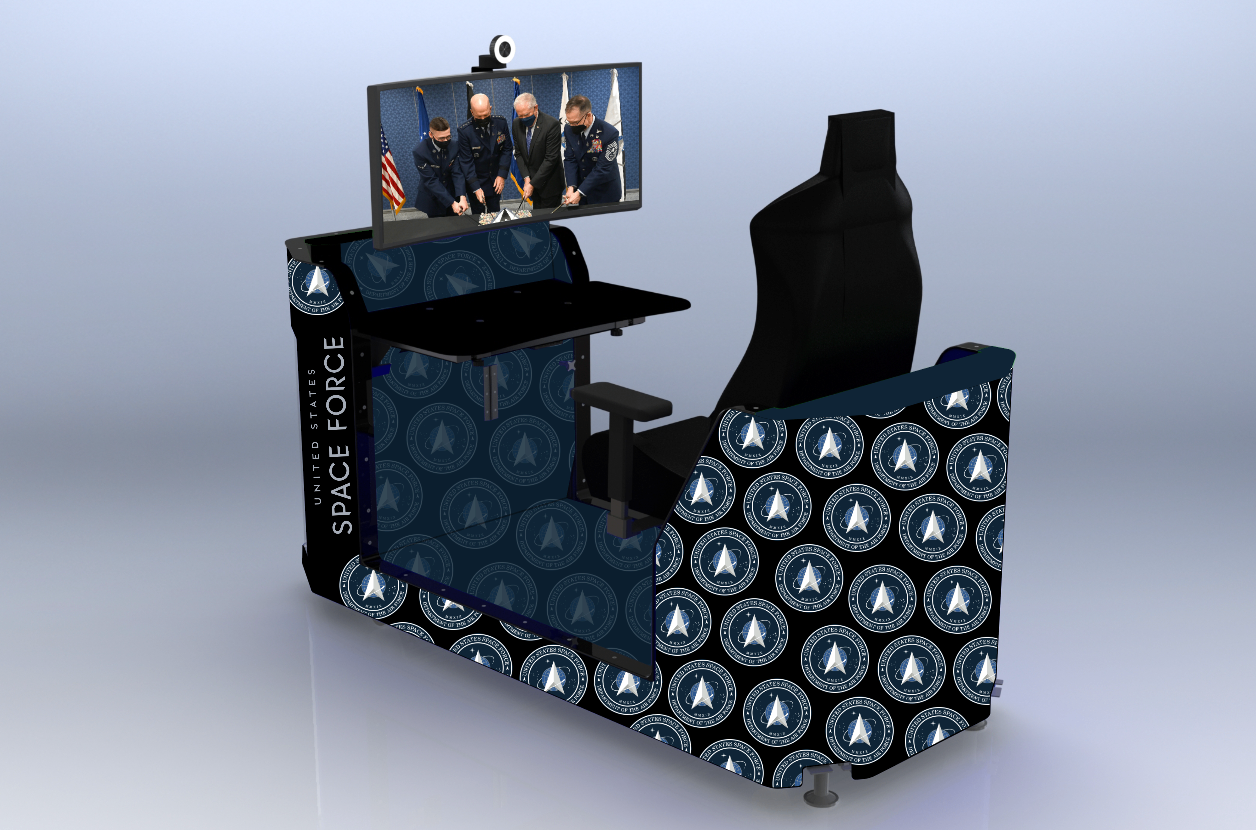
These organizations aren't "advertising" through esports: they're creating career pathways. They're demonstrating capabilities. They're letting students experience what it's like to operate sophisticated systems before asking them to commit.
Your Fortune 5000 company should be thinking the same way.
When Dell, Logitech, or Thrustmaster brand a pod, they're not buying ad space. They're demonstrating that their technology powers serious applications. They're building technical literacy around their ecosystem. They're creating the next generation of enterprise customers who already understand their platform.
The Creative Director's Dream: Authentic Integration Without "Authentic" Posturing
Here's where this gets interesting for creative teams. Gen Z has a finely tuned BS detector. They value authenticity, but they roll their eyes at brands trying to be "authentic" by copying their slang or jumping on trends.
What they actually respond to? Genuine utility. Real enablement. Brands that help them do things they care about.
An esports pod branded with your company's identity and powering students' competitive gaming, STEM learning, or simulation training isn't trying to be cool. It's just being useful. The brand affinity comes from association with capability, not from attempting relatability.
You don't need to hire Gen Z consultants to decode their mysterious preferences. You just need to actually help them develop valuable skills using your technology.
The ROI Case: Measuring What Actually Matters
Media buyers live and die by metrics. So let's talk numbers.
Traditional social media metrics:
- Impressions (meaningless)
- Engagement rate (gameable)
- Click-through rate (lottery)
- Conversion (finally something real, but post-attribution is messy)
Educational infrastructure metrics:
- Students served per semester (concrete)
- Hours of brand exposure per student (quantifiable)
- Skills certifications completed on your platform (measurable career impact)
- Pipeline to internships/employment (direct ROI)
- Parent and educator sentiment (community penetration)
One model gives you vanity metrics and hopes for algorithmic favor. The other gives you documented impact on real people's career trajectories.
Which report would you rather take to your CMO?
The Next Six Months: What Smart Media Buyers Are Already Planning
While competitors exhaust their Q1 budgets on increasingly expensive social media impressions, forward-thinking brands are asking different questions:
"How many schools can we get into before the fall semester?"
"Which technical certifications should we sponsor?"
"How do we structure the scholarship pipeline from pod to internship?"
They're not abandoning digital advertising: they're just allocating budget to assets that appreciate rather than evaporate.
The infrastructure your brand installs this spring will still be generating brand affinity in 2029. Your TikTok campaign from last Tuesday is already invisible.
The Partnership Model: Less Like Advertising, More Like Infrastructure Investment
Here's what makes this approach revolutionary for advertising budgets: You're not paying for media time. You're investing in physical infrastructure that serves multiple purposes simultaneously.
An EsportsPod installation:
- Provides schools with technology they desperately need
- Creates career exploration opportunities for students
- Generates recruitment pipeline for your company
- Builds technical literacy around your products/platforms
- Establishes long-term brand presence in the community
- Produces measurable educational outcomes
Try getting that from a pre-roll ad.
The partnership model means your advertising budget starts working like a CapEx investment: depreciating slowly while generating consistent returns. Schools maintain it because they need it. Students use it because it's valuable. Your brand benefits because it's integrated.
Why This Matters Right Now
The esports education market is at an inflection point. Schools understand they need this infrastructure. Students want access to competitive gaming and simulation technology. But budgets are tight and technical expertise is limited.
The brands that move now: while districts are planning for next school year: will establish presence before the space becomes crowded. You'll be the pioneer, not the me-too follower.
In three years, every major technology brand will have an education infrastructure strategy. The question is whether you'll be the brand students associate with their first cloud gaming experience, or just another logo they scroll past.
The choice isn't between TikTok and esports pods. It's between renting attention and owning relevance.
Your competitors are still chasing Gen Z on social media. You could be building the infrastructure where they actually spend their time, developing the skills that will define their careers.
Discover partnership opportunities at EsportsPod
EsportsPod creates branded esports and simulation infrastructure for Fortune 5000 companies partnering with high schools. Our cloud-powered pods don't just display your logo; they build the next generation of technical talent already fluent in your ecosystem.