

The Digital Ad Paradox: Spending More, Reaching Less
Media buyers, let's talk about the elephant in the room: your Gen Z campaigns aren't working like they used to.
You're pouring budget into TikTok, Instagram, and YouTube. You're A/B testing creative until your eyes cross. You're partnering with micro-influencers, macro-influencers, and everything in between. And yet, engagement rates keep dropping, ad blockers keep rising, and the kids you're trying to reach have developed an almost supernatural ability to scroll past your carefully crafted content.
The problem isn't your creative team. The problem is that you're fighting for attention in the noisiest, most oversaturated environment in human history: and Gen Z has learned to tune it all out.
Here's what most agencies won't tell you: The future of youth marketing isn't about finding them where they are online. It's about creating physical spaces where they actually want to be: spaces powered by the same cloud infrastructure and AI capabilities that run their favorite digital experiences.
Welcome to the era of cloud-powered simulation spaces.
What We Actually Mean by "Cloud-Powered Simulation Spaces"
Let's cut through the jargon because this matters.
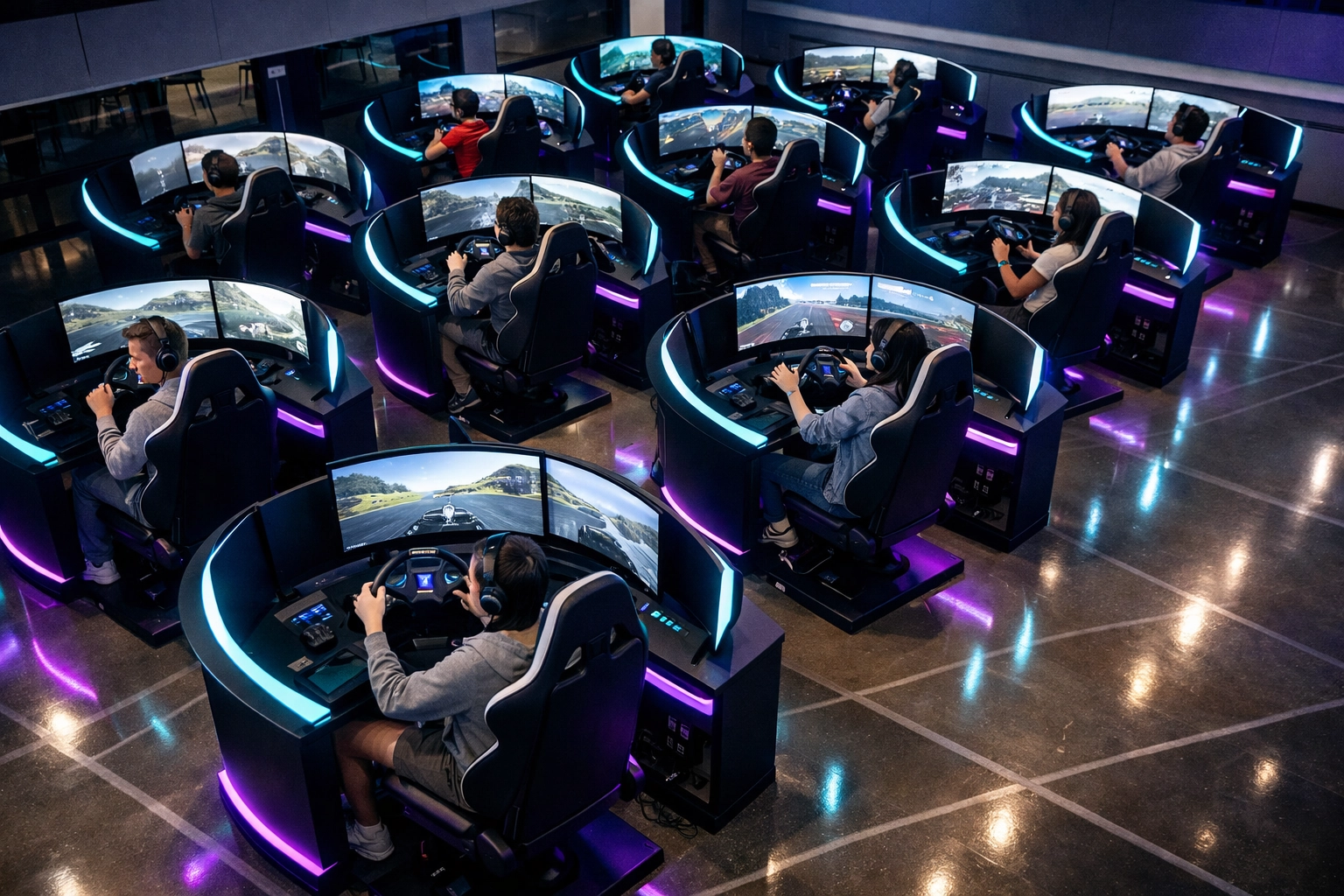
When we talk about cloud-powered simulation spaces, we're not talking about virtual reality headsets or metaverse platforms that require teenagers to strap screens to their faces. We're talking about physical infrastructure: real gaming and simulation pods in high schools, community centers, and educational facilities: that leverage cloud computing to deliver experiences previously impossible outside of professional esports arenas.
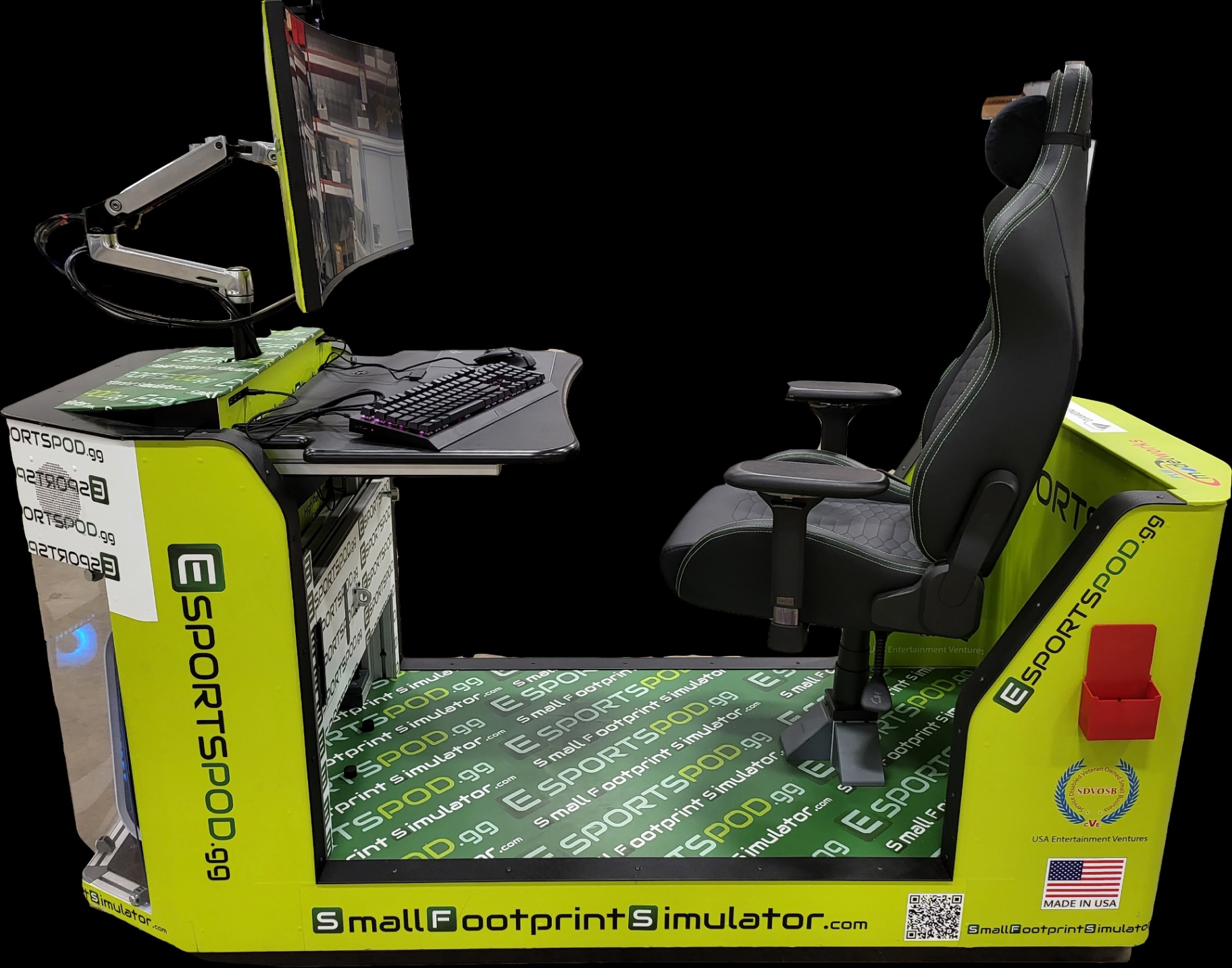
Think about what cloud technology has done for every other industry. Netflix transformed entertainment by streaming content from the cloud. Spotify revolutionized music. Google Docs changed how we collaborate. But until now, high-performance gaming and simulation experiences required expensive local hardware that schools and community centers simply couldn't afford.
Cloud-powered simulation changes that equation entirely.
With cloud gaming infrastructure, a single EsportsPod station can deliver:
- AAA gaming experiences without requiring $3,000 gaming PCs
- Professional-grade simulation software for career exploration
- Instant content updates and management across entire networks
- Real-time analytics on engagement and usage patterns
- Branded environments that can be customized remotely
The Physical Infrastructure Advantage
Here's where media buyers and creative directors need to pay attention: physical infrastructure provides something digital advertising can never deliver: guaranteed, undivided attention in a branded environment.
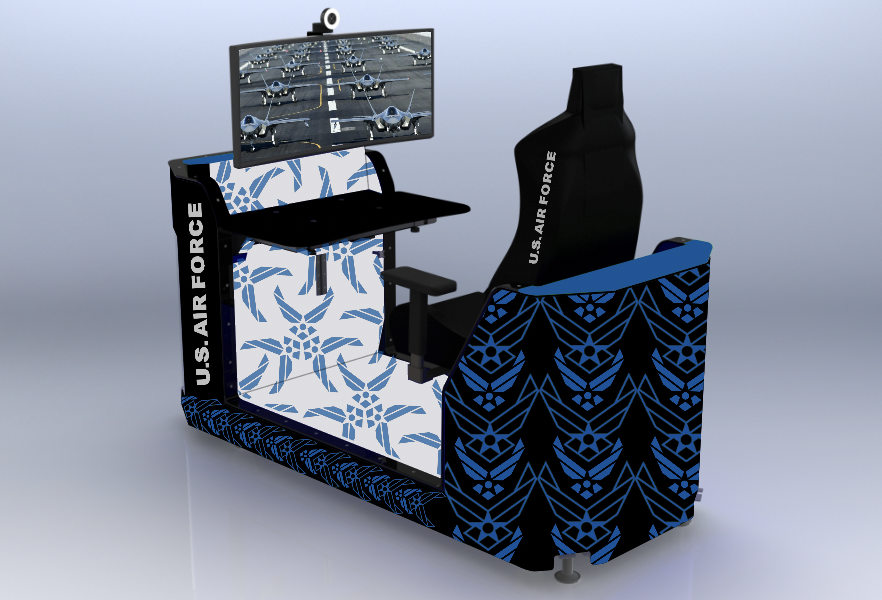
When a high school student sits down in an EsportsPod station, several things happen simultaneously:
1. Intentional Engagement
They chose to be there. They're not scrolling, not multitasking, not half-watching while texting. They're actively participating in an experience your brand can be part of.
2. Extended Exposure Time
Average session length? 45-90 minutes. Compare that to the 1.7 seconds you get on social media before they scroll past.
3. Positive Brand Association
Your logo isn't interrupting their experience: it's enabling it. That's a psychological difference that market research consistently shows drives dramatically higher brand favorability.
4. Measurable Career Impact
These aren't just gaming stations. They're career exploration tools being used by students considering paths in technology, military service, aviation, healthcare, and dozens of other fields. When your brand sponsors these experiences, you're not just advertising: you're genuinely helping shape futures.
Why Media Buyers Should Care About AI Literacy
Let's address the AI literacy component because it's becoming a competitive advantage for forward-thinking brands.
Generation Z and Generation Alpha are the first truly AI-native generations. They've grown up with algorithmic recommendations, voice assistants, and increasingly sophisticated AI-powered experiences. But here's what most people miss: experiencing AI-powered products and understanding how AI infrastructure works are completely different things.
Cloud-powered simulation spaces bridge that gap.
When students use EsportsPod stations, they're not just playing games or running simulations. They're experiencing firsthand how:
- Cloud computing delivers real-time, high-performance experiences
- AI-driven matchmaking systems work
- Data analytics inform personalized experiences
- Infrastructure scales across networks
For brands, this creates an unprecedented opportunity. You're not just reaching young consumers: you're reaching them at the moment they're developing their understanding of the technology infrastructure that will define their careers and consumption patterns for the next 50 years.
That's positioning money can't buy through traditional advertising channels.
The Partnership Model That Changes Everything
Traditional advertising follows a simple formula: you pay for impressions, clicks, or conversions. You're renting attention, and the moment you stop paying, the attention disappears.
Physical infrastructure partnerships work differently.
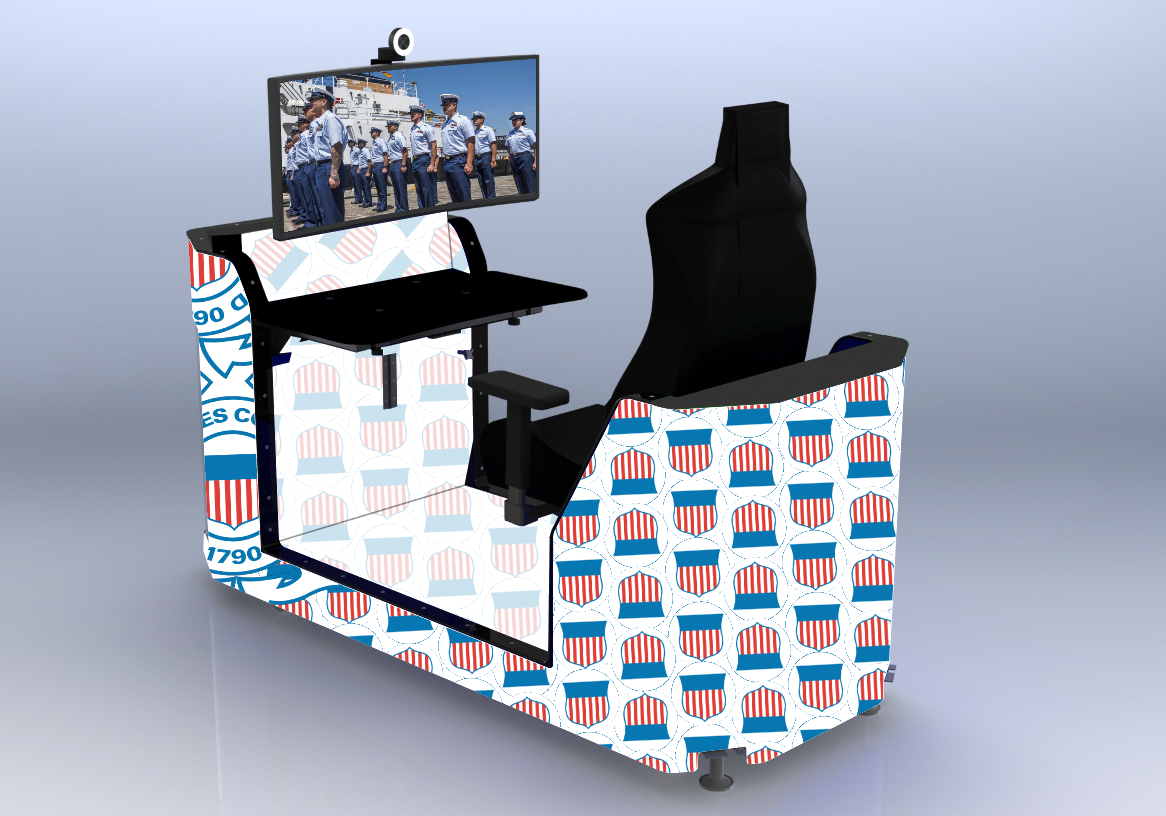
When your brand partners with EsportsPod installations in educational settings, you're creating lasting infrastructure that continues generating positive brand associations long after the initial investment. Consider what this looks like in practice:
The U.S. Coast Guard Partnership Model
Custom-branded pods in high schools featuring career exploration content, simulation experiences, and direct pathways to Coast Guard opportunities. Students engage with the content voluntarily, often multiple times per week, building familiarity and trust over months and years: not seconds and clicks.
The Brand Integration Opportunity
Your creative team can develop:
- Custom loading screens and interface elements
- Branded tournament experiences
- Career pathway content aligned with your recruiting or CSR goals
- Simulation experiences that showcase your products or services
- Direct measurement of engagement duration and frequency
What This Means for Your Media Strategy
If you're a media buyer or creative director reading this, you're probably asking the right question: "How does this fit into my existing strategy?"
The answer: It doesn't. And that's the point.
Cloud-powered simulation spaces aren't a line item that replaces your Instagram spend. They're a fundamentally different channel that delivers outcomes traditional digital advertising can't touch:
- Sustained Engagement: Minutes and hours instead of seconds
- Positive Context: Enabling experiences instead of interrupting them
- Measurable Impact: Direct career pathways and brand lift studies
- Physical Presence: Real-world infrastructure that demonstrates commitment
- Competitive Differentiation: First-mover advantage in an emerging channel
The brands that understand this shift aren't abandoning digital advertising. They're adding a dimension that competitors can't replicate by simply increasing their social media budget.
The Urgency You Can't Ignore
Here's the uncomfortable truth for media buyers: physical infrastructure partnerships have limited availability.
There are only so many high schools. Only so many prime locations. Only so many opportunities to be the first brand in a category to establish this kind of presence.
Digital advertising scales infinitely: which is precisely why it's become less effective. Everyone can buy more impressions. Everyone can increase their budget. The barrier to entry is minimal, so the competitive advantage is fleeting.
Physical infrastructure partnerships scale differently. When the U.S. Air Force sponsors EsportsPod installations in a school district, that's exclusive presence in those schools. When a technology company creates custom career pathway content, they own that relationship with students in those facilities.
The window for category exclusivity in this emerging channel is measured in quarters, not years.
Making the Strategic Shift
For creative directors and media buyers ready to explore this frontier, the path forward involves three key steps:
1. Reframe Your Success Metrics
Stop optimizing exclusively for cost-per-impression. Start measuring cost-per-engaged-hour and long-term brand lift in target demographics.
2. Think Infrastructure, Not Campaigns
Traditional campaigns have start dates and end dates. Infrastructure partnerships create ongoing presence that builds equity over time.
3. Leverage the Physical-Digital Bridge
Cloud-powered simulation spaces aren't separate from your digital strategy: they're amplifiers. Students who engage with your brand in physical simulation spaces follow, share, and advocate online at dramatically higher rates.
The Bottom Line for Media Professionals
Stop chasing Gen Z through algorithm updates and platform shifts. Stop competing for microseconds of attention in infinitely scrollable feeds. Stop treating the next generation like they're just harder-to-reach versions of previous demographics.
They're not.
They're the first generation that understands infrastructure. They know their online experiences run on servers somewhere. They recognize that AI isn't magic: it's code running on powerful hardware. They appreciate brands that invest in physical infrastructure that creates real opportunities.
Cloud-powered simulation spaces represent the convergence of that understanding with your need to build genuine, lasting relationships with the next generation of consumers, employees, and advocates.
The question isn't whether this shift is happening. The question is whether your brand will be part of the physical infrastructure that defines how Gen Z and Gen Alpha experience career exploration, skill development, and brand engagement: or whether you'll keep chasing them through digital channels with diminishing returns.
Ready to explore what cloud-powered simulation spaces can do for your brand? Learn more about EsportsPod partnerships and discover why Fortune 5000 companies are making the strategic shift to physical infrastructure that delivers measurable outcomes traditional advertising can't match.
The new media frontier isn't virtual. It's physical, cloud-powered, and waiting for forward-thinking media buyers and creative directors to claim their position before competitors do.