

The war for tech talent isn't being won with higher salaries or better perks anymore. It's being won in high school hallways, during esports tournaments, and inside cloud computing labs where 9th graders are learning skills your competitors will be desperately recruiting for in four years.
If you're a Fortune 5000 executive watching your recruiting team burn through budget trying to fill cybersecurity, cloud architecture, and data analytics roles, here's the uncomfortable truth: you're shopping in an empty store. The qualified talent pool shrinks every year, and traditional recruiting strategies are fighting over the same exhausted supply.
The companies winning the talent game aren't just recruiting differently. They're building their own pipeline: starting at the exact moment a student chooses their first elective course.
The $92 Billion Problem Nobody's Solving Correctly
U.S. companies are projected to spend over $92 billion annually on recruiting by 2026. Most of that budget goes toward poaching already-employed professionals, inflating salaries, and losing candidates to better counteroffers.
Meanwhile, 73% of hiring managers report they can't fill technical roles within a reasonable timeframe. The disconnect is staggering: companies need thousands of cloud engineers, data scientists, and cybersecurity analysts, but universities are graduating a fraction of that demand: and most graduates lack hands-on, job-ready experience.
The real issue? By the time a student reaches junior year of college, they've already been influenced by career fairs, internship programs, and brand impressions formed years earlier. If your company isn't part of that early journey, you're competing for talent that's already been claimed.
Why Starting in 9th Grade Isn't "Too Early": It's Strategic
Let's reframe the question. When does a future software engineer, cloud architect, or esports broadcast producer first realize they're interested in that career path?
Not in college. Not even in 11th grade AP Computer Science.
It happens the first time they successfully troubleshoot a server issue during a Valorant tournament. The first time they edit a highlight reel for their school's esports broadcast. The first time they deploy a cloud instance and realize, I actually understand how this works.
That's the moment a career path clicks: and it's happening in 9th and 10th grade for students who have access to the right environments.
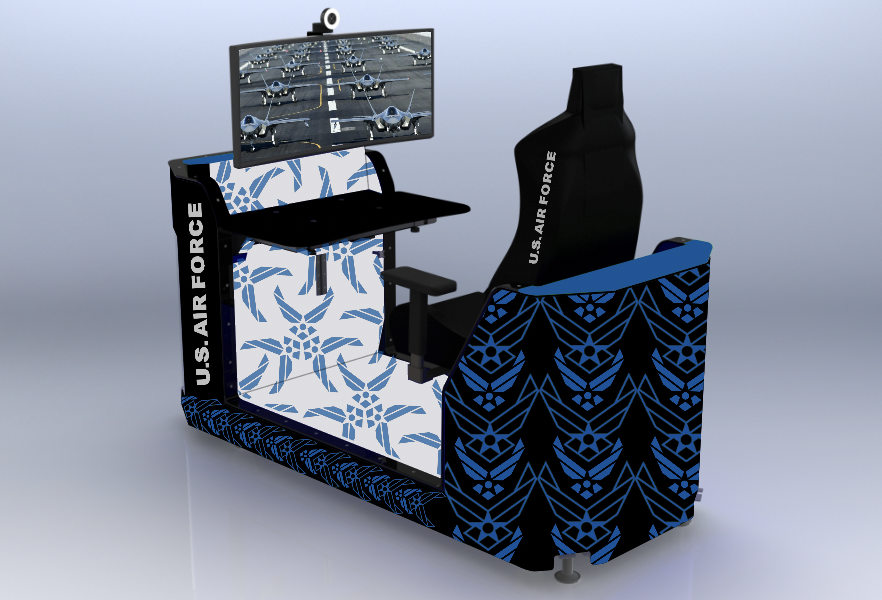
Brands like the U.S. Air Force, Lockheed Martin, and the U.S. Navy already understand this. They're not waiting until college career fairs to start building relationships with future talent. They're embedding their brands into high school esports and simulation environments where students are learning job-ready skills in real time.
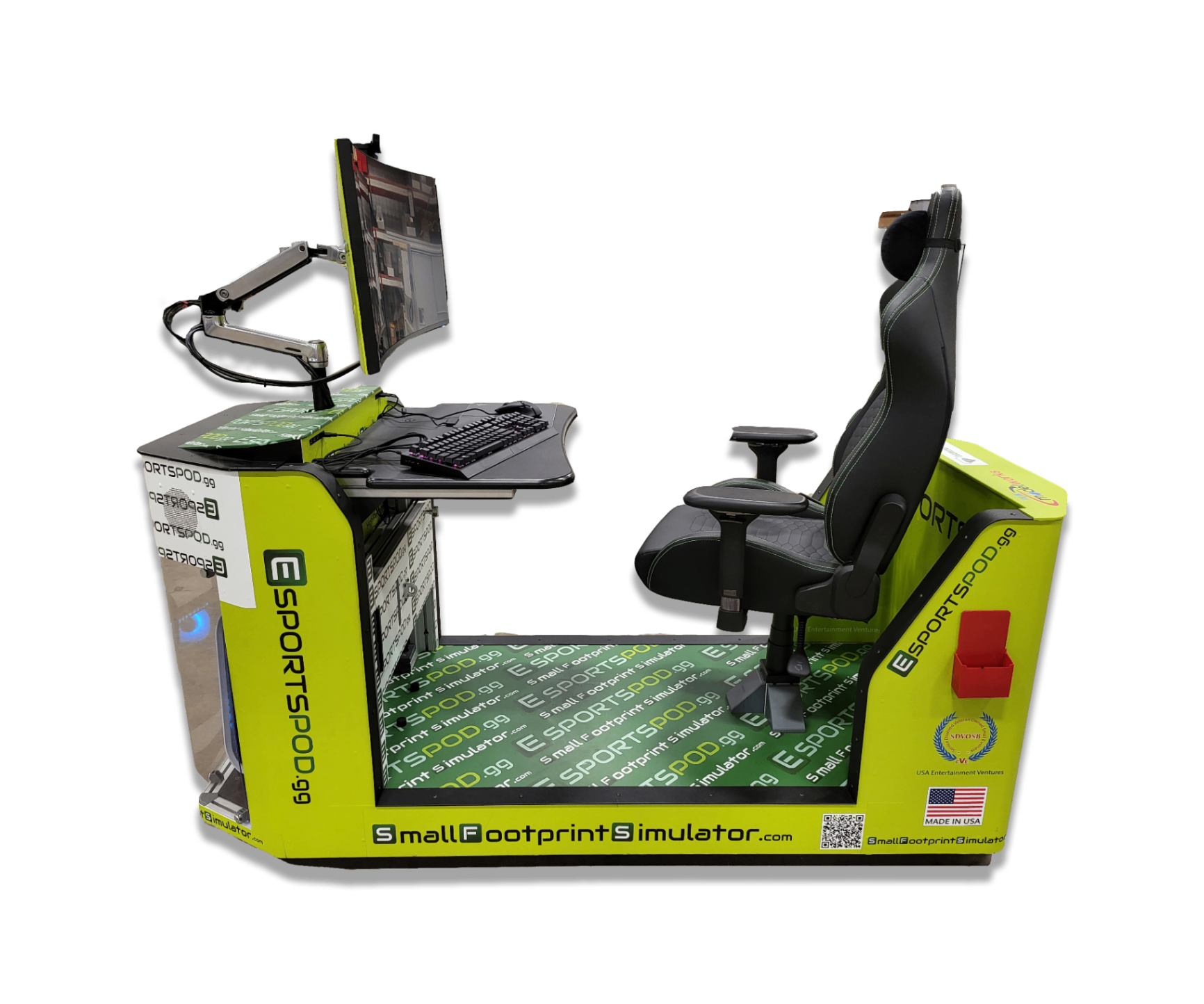
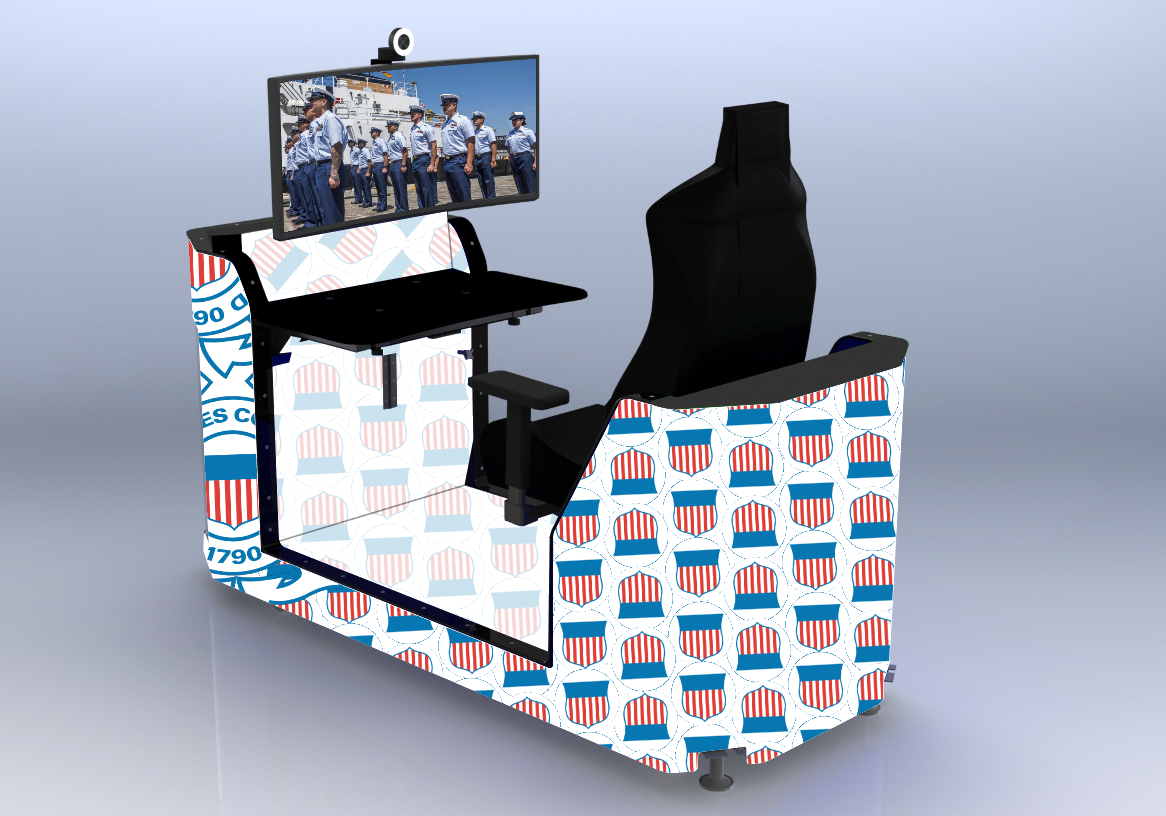
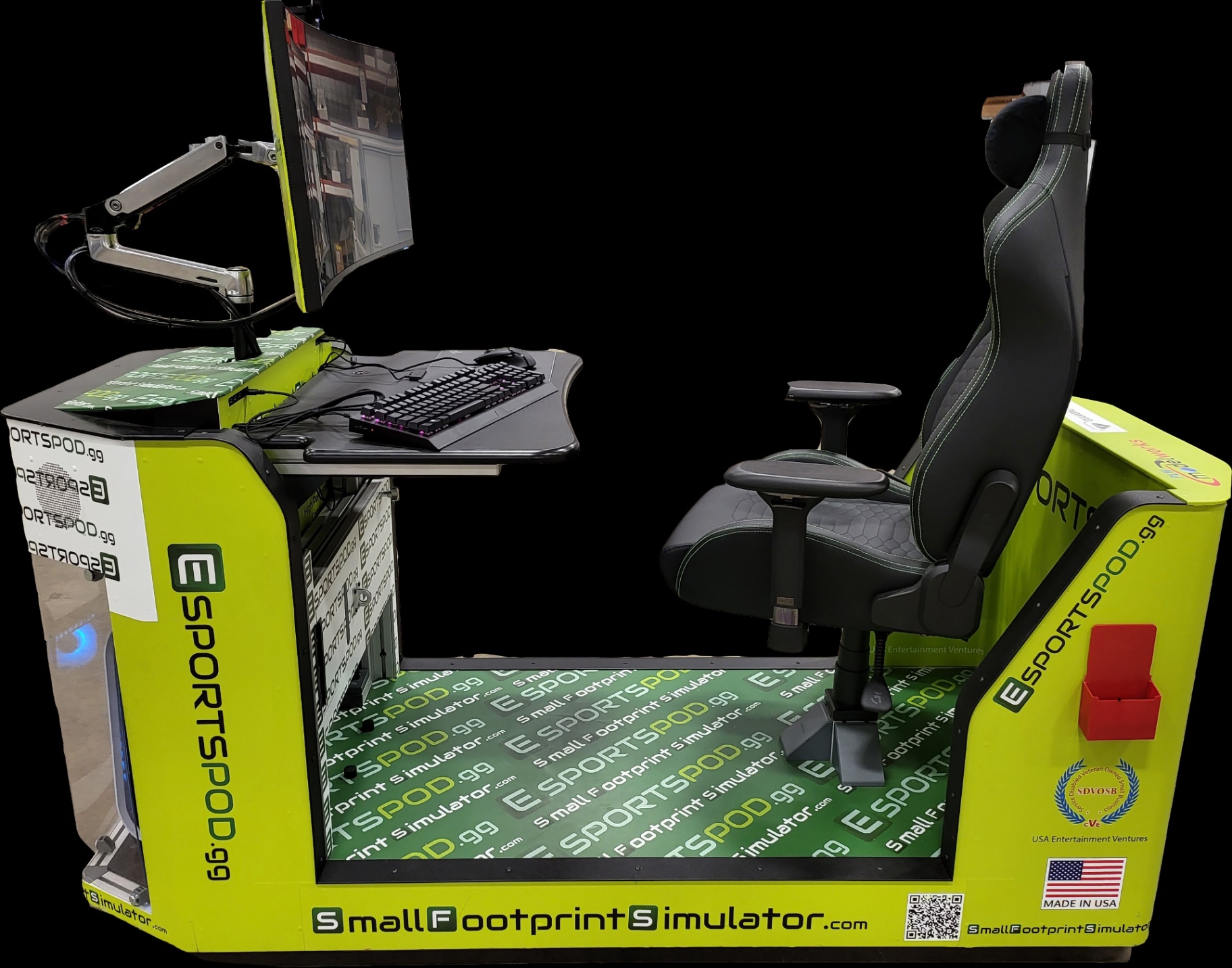
And they're doing it through platforms like EsportsPod: physical, branded learning labs that combine competitive gaming, content creation, and cloud/AI certification tracks into a single, measurable talent development experience.
What a Talent Pipeline Actually Looks Like (Spoiler: It's Not a Job Fair)
Traditional talent pipelines are passive. A student applies to an internship. Maybe they get it. Maybe your recruiter remembers to follow up. Maybe they accept your offer two years later: or maybe they've already signed with a competitor who offered $10K more.
A real pipeline is active, structured, and starts with skills: not resumes.
Here's what Fortune 5000 companies are doing right now through EsportsPod-sponsored programs:
Step 1: Establish Presence in 9th Grade
Your brand becomes part of a student's daily learning environment. Not as a poster on the wall: as the named sponsor of the esports lab where they're competing, creating, and learning.
Students see your logo every time they sit down to practice. They hear your company name when tournaments are announced. They associate your brand with opportunity, skills, and access to cutting-edge technology.
Step 2: Offer Real Certifications and Skill Development
EsportsPods aren't just gaming setups. They're structured learning environments where students can pursue:
- AWS Cloud Practitioner Certification
- Microsoft Azure Fundamentals
- CompTIA A+ and Network+ Certification
- Adobe Creative Cloud and Premiere Pro training
- CRM and data analytics fundamentals
These aren't "intro to computers" courses. These are industry-recognized certifications that 16-year-olds can add to LinkedIn: and that hiring managers immediately recognize.
Step 3: Create Internship and Mentorship Pathways
Once students complete certification tracks, sponsor companies gain first access to a pre-qualified talent pool. You're not competing with 500 other companies at a college career fair. You're the company that gave them the opportunity to learn in the first place.
This isn't theoretical. Schools running EsportsPod-sponsored programs are already placing students into summer internships, co-op roles, and post-graduation positions with Fortune 5000 partners.
Step 4: Measure Outcomes, Not Impressions
Unlike traditional sponsorships (where ROI is vague), EsportsPod-sponsored talent pipelines deliver measurable outcomes:
- Number of students trained
- Certifications earned
- Internship placements
- Post-graduation hires
- Retention rates of pipeline-sourced talent
You're not buying logo placement. You're buying a four-year head start on your competitors.
The Sponsorship Model: $125K That Builds Your Workforce
Here's the structure Fortune 5000 companies are using to activate talent pipelines through EsportsPod:
Investment Level: $125K annually per school
What You Get:
- Naming rights to the esports lab (e.g., "The [YourCompany] Esports & Cloud Learning Lab")
- Branded EsportsPod stations featuring your logo and career pathway messaging
- Quarterly on-campus events (career panels, certification bootcamps, demo days)
- Direct access to students completing certification tracks for internship recruitment
- Content and media rights (highlight reels, student testimonials, event coverage)
- KPI reporting (students trained, certifications earned, internship conversions)
What You're Actually Buying:
A repeatable, scalable system to identify, train, and recruit technical talent before your competitors even know they exist.
If your recruiting team spends $125K annually on job boards, agency fees, and hiring events that yield 2–3 hires, you're already spending more for worse outcomes. An EsportsPod sponsorship delivers a multi-year pipeline of pre-trained, brand-aligned candidates who already know your company, understand your mission, is familiar with your tools: and want to work for you.
This Isn't CSR. This Is Workforce Strategy.
Let's be clear: sponsoring high school esports labs isn't a "feel-good" community investment. It's not a PR play.
It's workforce development disguised as brand engagement.
Every Fortune 5000 company talks about "investing in the next generation." Most do it through scholarships and one-off grants that create zero measurable hiring outcomes.
EsportsPod-sponsored programs deliver:
- Qualified candidates with job-ready certifications
- Brand loyalty built over four years, not four weeks
- Diversity hiring from underrepresented zip codes that traditional recruiting misses
- Reduced onboarding costs because students already know your tools and workflows
And you're doing it in an environment students actually want to be in. Not a corporate recruiting event they're attending for free pizza. A space where they're competing, creating, and building real skills.
What Executives Are Asking (And What We Tell Them)
"How many students will we reach?"
A single EsportsPod-sponsored lab serves 150–300 students annually across esports, content creation, and cloud certification tracks. Sponsoring 5 schools = 750–1,500 students in your pipeline.
"How do we measure ROI?"
You'll receive quarterly reporting on:
- Students trained
- Certifications completed
- Internship applications received
- Event attendance and engagement
- Post-graduation hires from the program
"What if students don't want to work for us?"
They might not: immediately. But they'll remember you gave them the opportunity. And when they're job-hunting in four years, your brand will be top of mind. That's the long game traditional recruiting never plays.
"Can we customize the curriculum to our industry?"
Absolutely. If you're a cloud provider, students train on your platform. If you're a cybersecurity firm, students earn certifications in your tools. The curriculum adapts to your workforce needs, not generic EdTech content.
The Competitive Advantage Is Timing
Here's the reality: most Fortune 5000 companies are still figuring out their Gen Z employer brand strategy. They're running Instagram ads. They're paying influencers. They're trying to compete on TikTok.
Meanwhile, a small number of companies are already embedded in the schools where future talent is being trained.
By the time your competitors realize high school esports labs are a recruitment channel, the best programs will already be sponsored. The top students will already be in someone else's internship pipeline. The talent gap will already be wider.
The companies moving now aren't early adopters. They're strategists.
If you're struggling to fill technical roles, the solution isn't better recruiting. It's earlier recruiting. It's building a system where students choose your company long before they're competing for offers.
Want to see how this works in practice? Let's walk through a sample school activation plan, KPI framework, and sponsorship rollout.
Visit EsportsPod or reply with "PIPELINE" and we'll send you the full sponsorship brief, sample reporting dashboard, and case studies from current Fortune 5000 partners.
The talent war isn't won with higher salaries. It's won with earlier access.