

The numbers don't lie: over 8,600 high schools have launched competitive esports teams since 2018, with nearly 200 colleges now offering more than $16 million in scholarships annually. For Fortune 500 executives seeking untapped markets and authentic Gen Z engagement, high school esports represents the most compelling sponsorship opportunity of the decade.
While traditional sports sponsorships become increasingly saturated and expensive, esports offers precision targeting capabilities that legacy marketing channels simply cannot match. With approximately 90% of teenagers actively gaming, your brand gains access to a homogeneous audience with predictable interests, behaviors, and future purchasing power.
The Explosive Growth Trajectory You Cannot Ignore
High school esports participation rates are shattering conventional sports metrics. At Gretna High School in Nebraska, approximately 150 students participate in esports: making it the largest sports team in the school. This 10% participation rate is becoming the new standard across American high schools, creating audience bases that rival traditional athletic programs.
The legitimacy milestone came in 2018 when the National Federation of State High School Associations officially recognized esports as a sport. This recognition established the governance infrastructure necessary for sustainable corporate partnerships while creating a direct pathway to collegiate scholarships that validates the competitive ecosystem.
Key Market Indicators:
- 8,600+ high schools with active esports programs
- $16 million in annual scholarship opportunities
- 90% teen gaming participation rate
- Official sport recognition since 2018
- Projected global sponsorship revenue of $456.7 million

Why Traditional ROI Calculations Fail in Esports
Fortune 500 companies applying traditional sports marketing metrics to esports consistently undervalue the opportunity. Unlike broad-spectrum sports sponsorships that cast wide demographic nets, esports delivers precision targeting with measurable engagement rates that traditional channels cannot replicate.
The digital-native nature of esports creates multiple touchpoints for sponsor integration: live streaming platforms, social media content creation, virtual event participation, and real-time audience interaction. These channels provide immediate, measurable engagement metrics that traditional sports sponsorships never deliver.
Superior Targeting Capabilities
Esports audiences represent homogeneous communities with similar interests, lifestyles, and purchasing behaviors. This concentration allows for focused marketing campaigns with higher conversion rates compared to traditional sports demographics. When your target market actively chooses to engage with gaming content, the receptivity to relevant brand messaging increases exponentially.
Educational Value Proposition
The scholarship pipeline creates a compelling narrative that positions your brand as an enabler of educational opportunity. Companies sponsoring high school esports associate themselves with student achievement and college preparation: building brand loyalty among high-performing, college-bound students who represent significant future purchasing power.
Strategic Implementation Framework for Maximum ROI
Multi-Tier Sponsorship Architecture
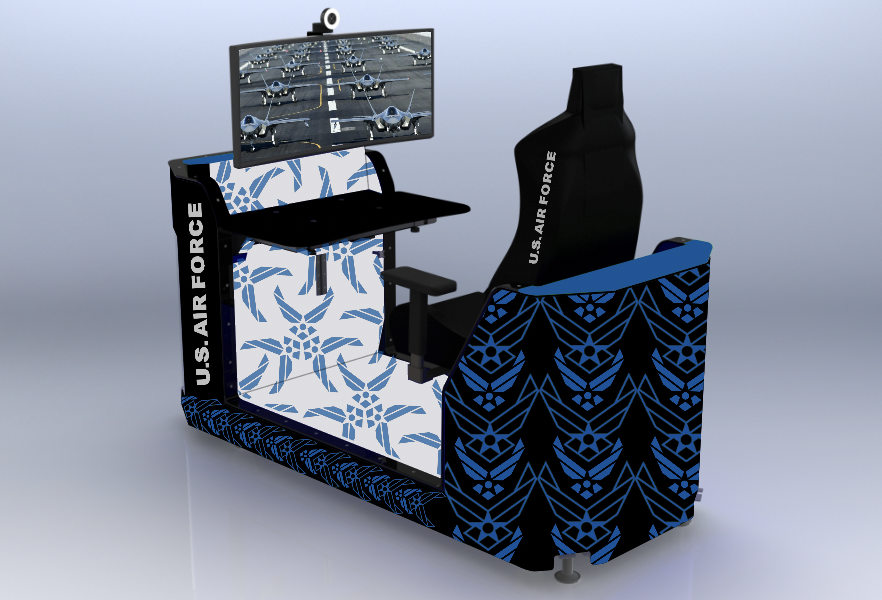
Smart Fortune 500 companies implement tiered sponsorship strategies encompassing individual schools, regional tournaments, and state championships. This approach allows for geographic targeting while building toward comprehensive national brand presence.
Tier 1: Individual School Partnerships
- Direct brand integration with high-performing teams
- Equipment and technology infrastructure provision
- Exclusive naming rights opportunities
- Student mentorship and career pathway programs
Tier 2: Regional Tournament Sponsorship
- Multi-school audience access
- Streaming platform integration
- Social media campaign amplification
- Regional market dominance establishment
Tier 3: State and National Championship Integration
- Maximum visibility and prestige association
- Media rights and content creation opportunities
- Industry leadership positioning
- Long-term partnership development
Technology Infrastructure Opportunities
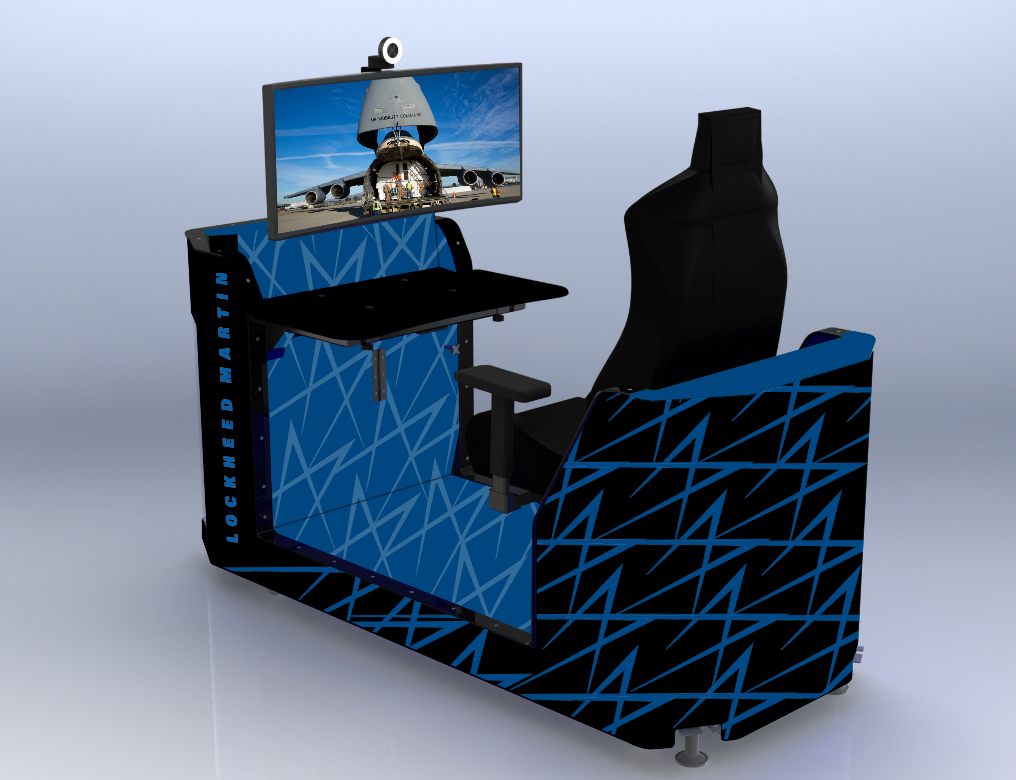
Unlike traditional sports, esports requires significant technology investments, creating natural partnership opportunities for Fortune 500 companies across multiple sectors. Sponsorship packages can include equipment provision, internet connectivity solutions, streaming platform development, and software integration: creating deeper brand integration than simple logo placement.
Measurable ROI Metrics That Matter
Immediate Returns
- Brand exposure hours per dollar invested
- Social media engagement rates and reach amplification
- Direct lead generation through gaming platform integration
- Student and parent demographic data collection
Long-Term Value Creation
- Brand loyalty development among future consumers
- Educational pipeline relationship building
- Community goodwill and corporate social responsibility enhancement
- Competitive differentiation in emerging markets
Collegiate esports programs demonstrate these principles in action. Smaller institutions report "near-immediate, complete ROI" through increased enrollment and tuition revenue, while larger universities benefit from improved retention rates and enhanced student experience value. These success metrics translate directly to high school sponsorship opportunities.
Exclusive Partnership Advantages
Early entry into high school esports sponsorship positions Fortune 500 companies to capture significant market share before competitive saturation occurs. The fragmented nature of current sponsorship landscapes means first-mover advantages remain available across geographic regions and specific gaming categories.
Competitive Advantages Include:
- Premium partnership terms and exclusive category rights
- Direct access to emerging talent before professional recruitment
- Brand association with innovation and forward-thinking values
- Community relationship building before market commoditization

Implementation Timeline for Immediate Market Entry
Phase 1 (Months 1-3): Market Research and Partner Selection
- Identify high-performing regional schools and tournaments
- Evaluate technology infrastructure requirements
- Establish partnership frameworks and measurement systems
Phase 2 (Months 4-6): Pilot Program Launch
- Deploy initial sponsorship agreements with select schools
- Implement branding and technology integration
- Begin audience engagement and data collection
Phase 3 (Months 7-12): Scale and Optimization
- Expand geographic coverage based on pilot performance
- Refine targeting and engagement strategies
- Establish long-term partnership agreements
The Urgency of Now
Global esports sponsorship revenue projections indicate rapid market maturation, with industry experts forecasting significant price appreciation as mainstream corporate adoption accelerates. Fortune 500 companies that establish high school esports partnerships now secure premium positioning before market commoditization drives up costs and reduces differentiation opportunities.
The question is not whether high school esports will become a major marketing channel: the growth trajectory has already confirmed this inevitability. The strategic question is whether your company will establish market leadership while partnership terms remain favorable, or enter a mature market as a late adopter paying premium prices for diminished returns.
High school esports represents the intersection of authentic Gen Z engagement, measurable marketing ROI, and corporate social responsibility. For Fortune 500 executives seeking sustainable competitive advantages in emerging markets, the opportunity window remains open: but closing rapidly as industry awareness accelerates.
The time for strategic positioning is now. The audience is waiting. The partnerships are available. Your competition is watching.