
The Skills Gap Isn't a Hiring Problem: It's a Pipeline Problem
Every Fortune 5000 CHRO knows the brutal math: 73% of employers report difficulty filling positions, not because candidates don't exist, but because they lack job-ready skills in cloud infrastructure, data analytics, cybersecurity, and digital collaboration. Traditional recruiting: resume mining, campus events, LinkedIn outreach: competes for the same shrinking pool of "ready now" talent while ignoring the millions of high school students who could be cultivated into your workforce three to five years before your competitors even meet them.
The companies winning the war for skills aren't playing the recruiting game. They're building talent funnels: structured, multi-year pipelines that identify, develop, and certify future employees before they enter the labor market. And the most effective infrastructure for this isn't another partnership with a four-year university. It's esports education programs anchored by physical learning stations in high schools nationwide.
Here's why the talent funnel framework through esports infrastructure is becoming the workforce development strategy for forward-thinking enterprises: and how your organization can deploy it at scale.
What Is the Talent Funnel Framework?
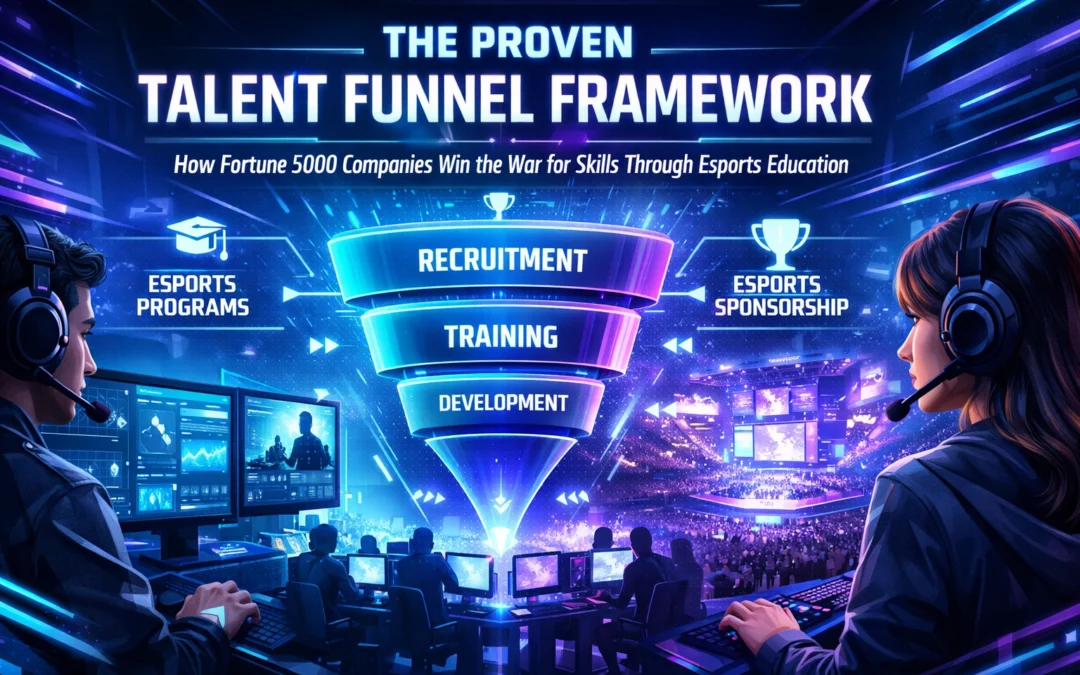
The Talent Funnel Framework is a systematic approach to workforce development that moves beyond reactive hiring to proactive talent cultivation. Instead of waiting until candidates graduate and compete for them in the open market, Fortune 5000 companies establish branded touchpoints inside educational environments where students actively build skills, explore career pathways, and develop affinity for sponsor organizations years before employment conversations begin.
Think of it as the difference between fishing in an empty pond versus stocking your own lake.
The traditional recruiting model operates like this:
- Identify skills gap
- Post job requisition
- Screen hundreds of unqualified applicants
- Compete on salary for limited qualified talent
- Onboard new hire with 6-12 month ramp time
- Repeat when they leave for better offer
The Talent Funnel Framework operates like this:
- Partner with high schools to install branded learning infrastructure
- Provide curriculum, competitions, and certification pathways
- Students develop technical and soft skills over multiple years
- Track high-performing students through esports leagues and simulation competitions
- Offer internships, scholarships, and early career pathways to vetted candidates
- Hire pre-qualified, brand-loyal talent with proven competencies
One is transactional. The other is transformational.
Why Esports Infrastructure Is the Ultimate Talent Funnel Distribution System
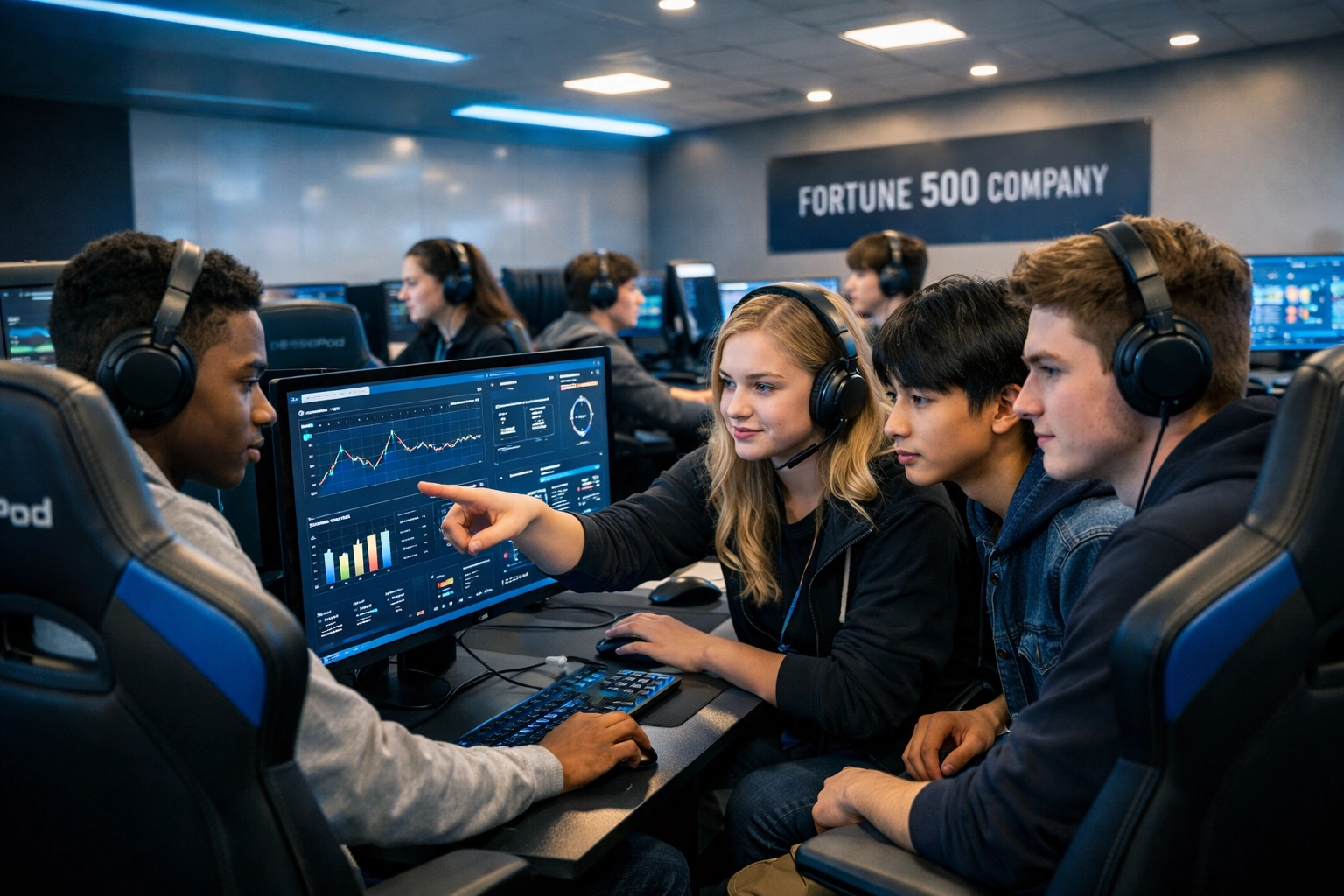
Traditional STEM partnerships: robotics clubs, coding camps, science fairs: reach motivated students who already know they want technical careers. Esports and simulation-based learning reach everyone. Competitive gaming is the universal language of Gen Z and Gen Alpha, which means your talent funnel can access the full demographic spectrum: urban and rural schools, diverse communities, students from non-traditional academic backgrounds, and high performers who would never attend a "Careers in Cloud Computing" seminar.
Here's what makes esports education infrastructure uniquely effective for Fortune 5000 talent development:
Scalability Through Standardization
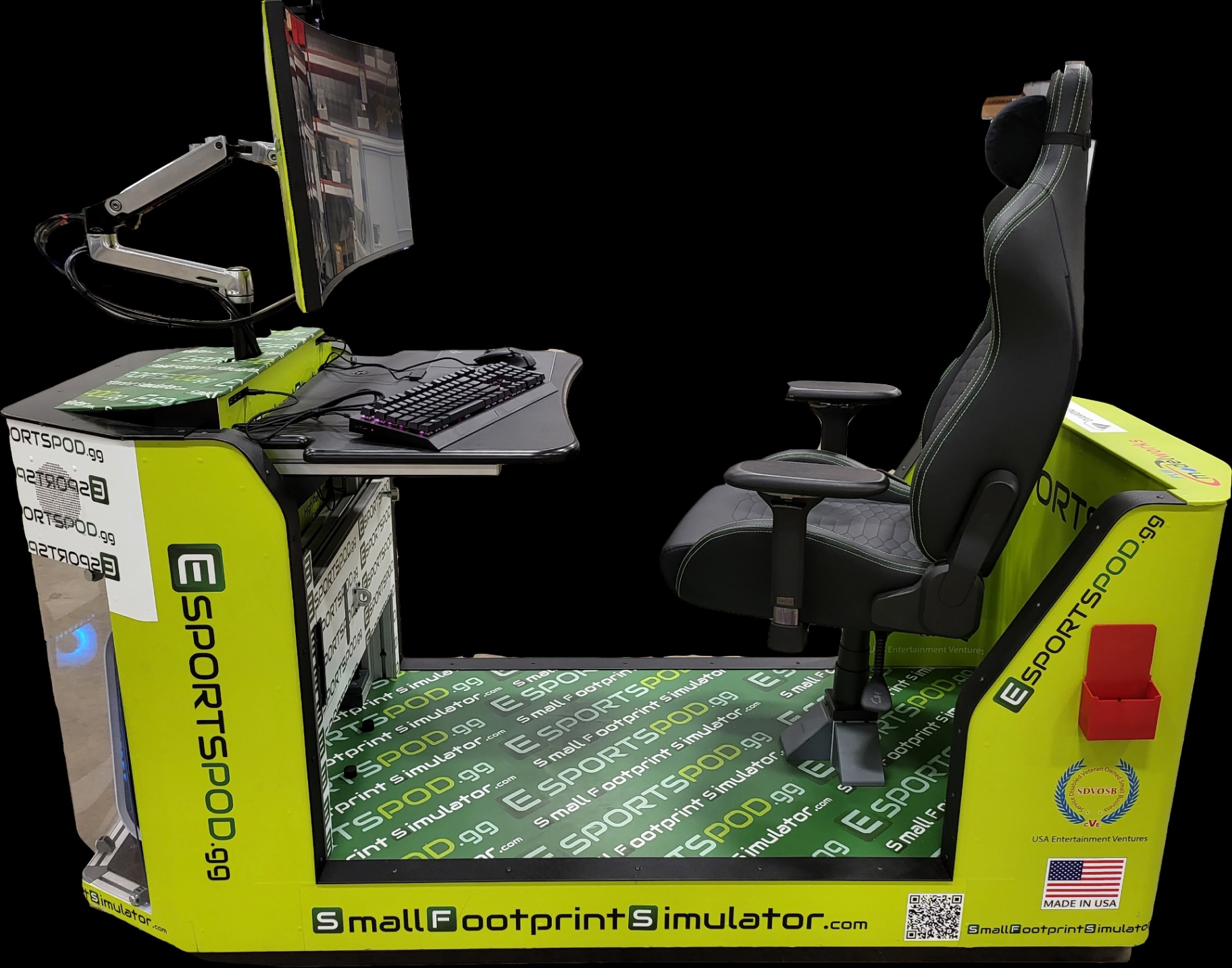
EsportsPod stations are turnkey learning labs: consistent hardware, curriculum frameworks, and measurement systems that deploy identically across 1,000+ schools. Your brand isn't managing bespoke programs in each district. You're sponsoring a national infrastructure system that operates with the reliability of a franchise model.
Skills Alignment with Enterprise Needs
Modern esports programs aren't just "gaming." They're ecosystems that require students to manage live broadcasts (AV production, streaming platforms), analyze performance data (Excel, Tableau, statistics), coordinate distributed teams (Slack, Discord, project management), troubleshoot hardware and network issues (IT fundamentals), and create digital content (Adobe Creative Suite, video editing). These aren't theoretical lessons: they're applied skills under competitive pressure with real-time feedback loops.
Research from NASEF confirms that structured esports frameworks develop competencies in team building, STEAM subjects, strategic thinking, and communication: precisely the soft skills that enterprises struggle to find in new hires.
Engagement Metrics That Predict Retention
Students who participate in esports programs demonstrate measurably higher engagement than traditional extracurriculars. They log hours voluntarily, seek coaching feedback, study gameplay analytics, and iterate on strategies. This intrinsic motivation is the behavioral predictor of high-performing employees. When your talent funnel tracks students who've logged 200+ hours in simulation competitions, managed team logistics, or coached peers, you're not guessing about work ethic: you're observing it in real time.
Brand Affinity Before Employment Conversations
When your company logo is embedded in the physical learning station a student uses three times per week for two years, you're not "recruiting": you're becoming synonymous with opportunity, skill development, and future-ready careers. By the time that student is job-ready, your brand has 1,000+ touchpoints of positive association. They don't need to be convinced to apply. They already see you as the employer that invested in their success before anyone else cared.
The Four-Stage Talent Funnel: From Awareness to Employment
Stage 1: Discovery & Access (Grades 9–10)
Students encounter your brand through EsportsPod installations in their schools. They gain access to high-performance hardware, simulation software, and introductory curriculum modules. At this stage, the goal isn't immediate career commitment: it's establishing your brand as the gateway to skills, competition, and digital literacy.
Stage 2: Skill Development & Certification (Grades 10–11)
Students participate in structured leagues, complete curriculum pathways, and earn certifications in areas like cybersecurity fundamentals, cloud infrastructure basics, or digital content creation. Sponsor companies provide curriculum support, guest speakers, or virtual mentorship programs. High performers are identified through competition results and tracked for Stage 3 opportunities.
Stage 3: Career Exploration & Internships (Grades 11–12)
Top-tier students are invited to company-sponsored internship programs, job shadowing experiences, or scholarship pathways. This is where the funnel narrows from broad awareness to targeted cultivation. Students who demonstrate aptitude and alignment receive direct exposure to your workplace culture, technical environments, and career progression models.
Stage 4: Early Career Hiring & Retention (Post-Graduation)
By the time students graduate, they've spent 2–4 years engaging with your brand, building relevant skills, and understanding your organizational mission. Hiring conversations begin with pre-vetted candidates who already possess baseline competencies, cultural fit indicators, and measurable performance histories. Onboarding time compresses. Retention improves because employees chose you years before employment began.
The ROI Formula: What Success Looks Like in Year Three
Let's talk numbers, because infrastructure investments demand measurable returns.
Assume a mid-sized Fortune 5000 deployment:
- 500 EsportsPod stations across 250 high schools
- 10,000+ students engaged annually
- 3-year sponsorship commitment
Year 1: Brand awareness, curriculum deployment, baseline engagement metrics
Year 2: Competition results, skill certifications, early internship cohort
Year 3: First hiring class of pre-qualified candidates
By Year 3, companies report:
- 40–60% reduction in time-to-hire for entry-level technical roles
- 20–35% improvement in first-year retention for funnel-sourced hires
- 50–70% decrease in recruiting spend per qualified candidate versus traditional campus recruiting
- Measurable brand lift in target demographics (tracked via surveys and application volume)
But the real ROI isn't just cost savings: it's competitive advantage. While your competitors are bidding up salaries for the same candidates on LinkedIn, you're hiring from a pool they don't have access to. That's strategic differentiation at scale.

How to Deploy the Talent Funnel Framework in Your Organization
Step 1: Align Sponsorship with Workforce Strategy
This isn't a marketing play: it's workforce infrastructure. Secure executive sponsorship from CHRO, CTO, and Talent Acquisition leadership. Define target skill profiles, preferred geographies, and diversity goals. Treat this as a multi-year talent acquisition channel with dedicated budget and KPIs.
Step 2: Partner with Scalable Infrastructure Providers
Work with organizations like EsportsPod that provide turnkey deployment: hardware standardization, curriculum frameworks, competition management, and data dashboards. Avoid bespoke programs that require custom management in each school district. Scale demands repeatable systems.
Step 3: Define Measurement Frameworks Early
Establish baseline metrics: student engagement rates, skill certification completions, competition participation, internship conversion rates, and post-hire performance data. Build dashboards that track funnel progression from discovery through employment. Talent funnel ROI compounds over time: measure it rigorously.
Step 4: Integrate with Existing Talent Programs
Connect esports talent funnel outputs to existing internship programs, scholarship initiatives, and early career hiring tracks. Ensure seamless handoffs between education partnerships and HR systems. The funnel only works if there's a clear pathway from high school lab to corporate badge.
Step 5: Tell the Story Internally and Externally
This is a differentiator in employer branding, DEI initiatives, and corporate citizenship reporting. Document student success stories, track career progression, and share outcomes through recruiting materials, social channels, and annual impact reports. The narrative of "we build talent, not just hire it" is a recruitment advantage in competitive markets.
The Inevitability of Talent Funnel Strategies
The companies that dominate the next decade of hiring won't be the ones with the biggest recruiting budgets. They'll be the ones that built talent pipelines when competitors were still chasing resumes.
Esports education infrastructure isn't experimental: it's the natural evolution of workforce development in a world where digital skills are universal requirements and traditional education systems can't keep pace with industry needs. The Fortune 5000 organizations deploying talent funnels today are establishing multi-year competitive moats that will be nearly impossible for latecomers to replicate.
The question isn't whether you need a talent funnel strategy. The question is whether you'll build one before your competitors do.
Ready to explore how EsportsPod infrastructure can anchor your workforce development strategy? Visit esportspod.gg to see deployment models, curriculum frameworks, and case studies from organizations already winning the war for skills through structured talent funnels.
The students who will fill your critical roles in 2029 are sitting in high school classrooms right now. Are you in front of them, or are you waiting to compete for them later?