

Hey Media Buyers and Creative Directors: Let's Talk About What's Actually Working
If you've been struggling to make Gen Z give a damn about your brand activations, you're not alone. Traditional pop-up experiences, sampling events, and experiential marketing tactics are increasingly falling flat with this demographic. The reality? Gen Z doesn't just want a photo op: they want authentic engagement in spaces where they already spend their time.
Enter cloud-based esports pods: the physical infrastructure that's revolutionizing how Fortune 5000 companies connect with tomorrow's workforce.
The Traditional Activation Problem Nobody Wants to Talk About
Traditional brand activations face a brutal truth: Gen Z sees through manufactured experiences. They've grown up with Instagram-worthy brand stunts, and frankly, they're exhausted by them. A branded photo booth at a music festival? Been there. A pop-up installation in a trendy neighborhood? Seen it. These tactics check boxes for your campaign reporting, but they're not building genuine brand affinity.
Here's what's actually happening: 96.3% of Gen Z are digital video viewers, and 90% are active social media users. They live in digital-first communities built around shared interests: gaming, esports, and competitive simulation experiences. When you force them into a physical space that doesn't align with their digital lifestyle, you're fighting an uphill battle.
Traditional activations also suffer from a measurement problem. You can count foot traffic and social media posts, but are you actually reaching decision-makers? Are you connecting with students who will enter the workforce in 2-4 years? Are you building long-term brand loyalty or just generating vanity metrics?
What Are Cloud-Based Esports Pods? (The Infrastructure You Need to Understand)
Let's get specific about what we're talking about. Cloud-based esports pods are fully-equipped, branded gaming and simulation stations that combine cutting-edge physical infrastructure with cloud-enabled technology. Think of them as turnkey brand activation platforms that exist where Gen Z actually gathers: high schools, college campuses, community centers, and esports venues.
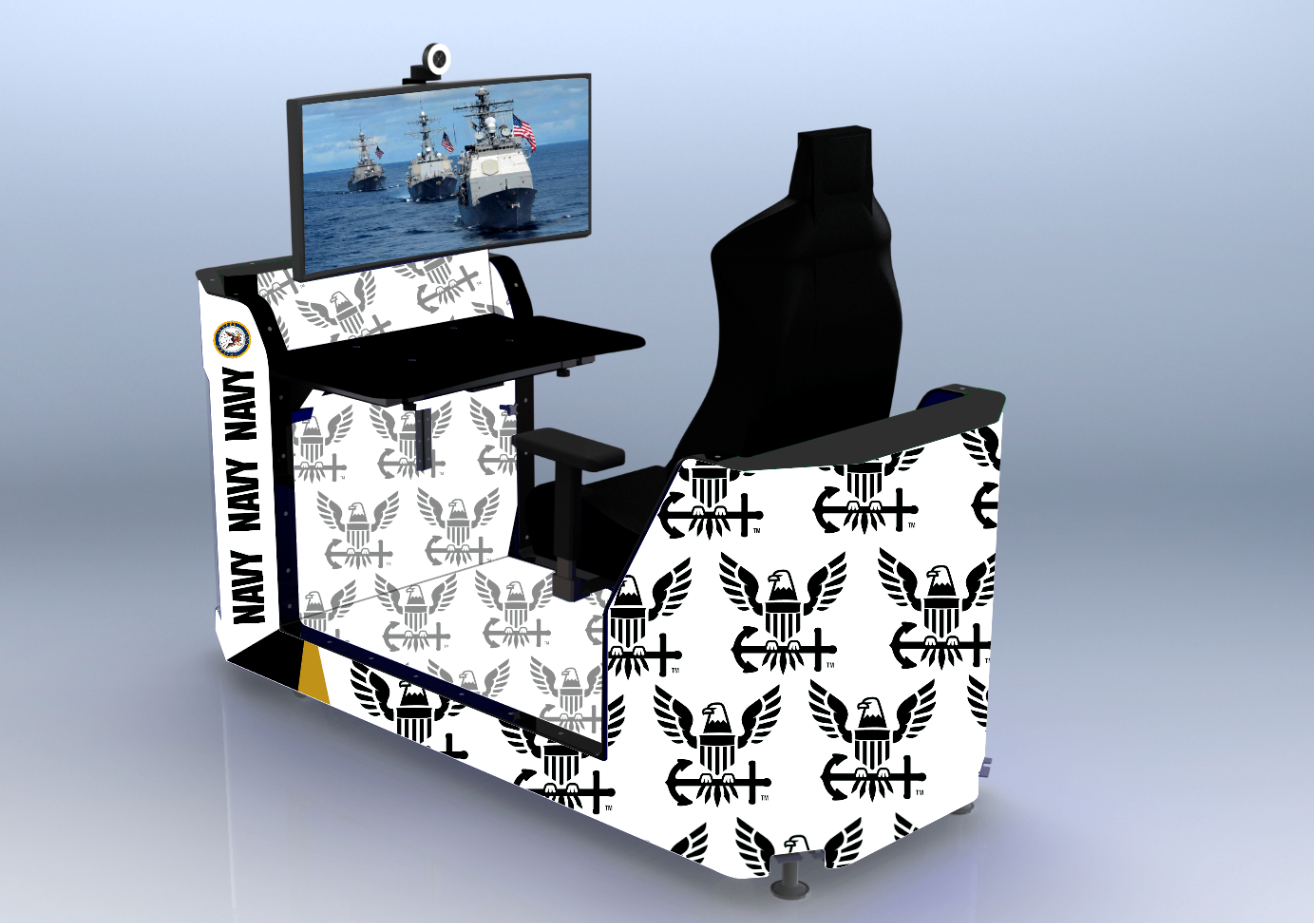
The physical components include:
- Professional-grade ergonomic gaming chairs designed for extended use
- High-resolution displays with integrated webcams for streaming and content creation
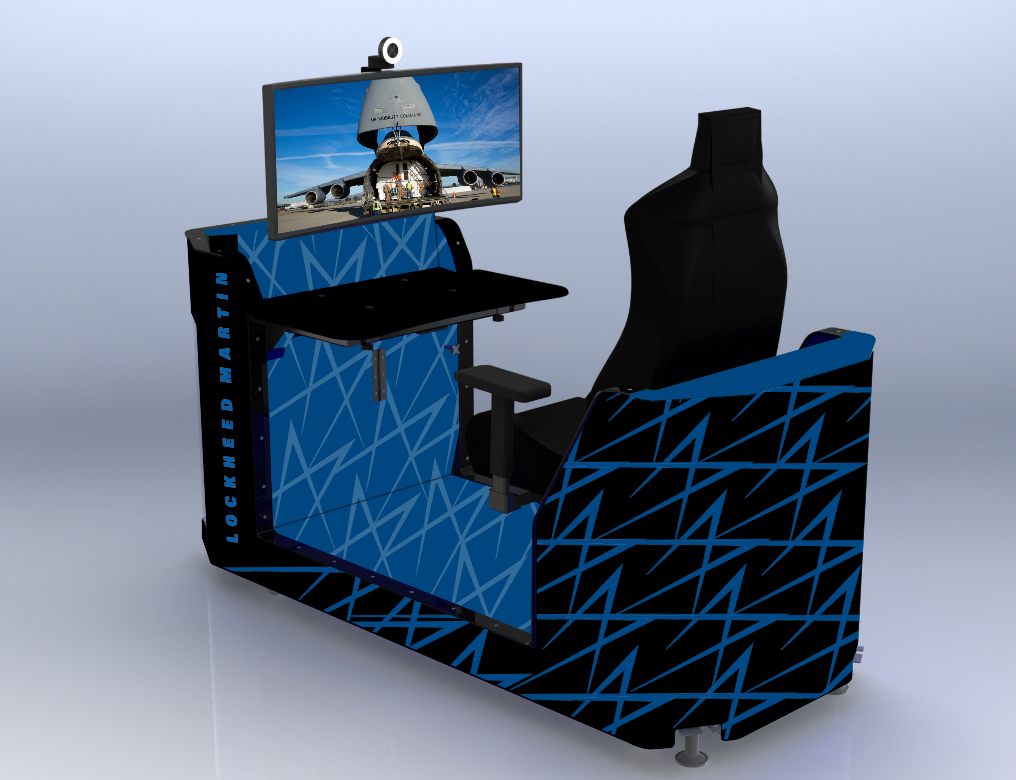
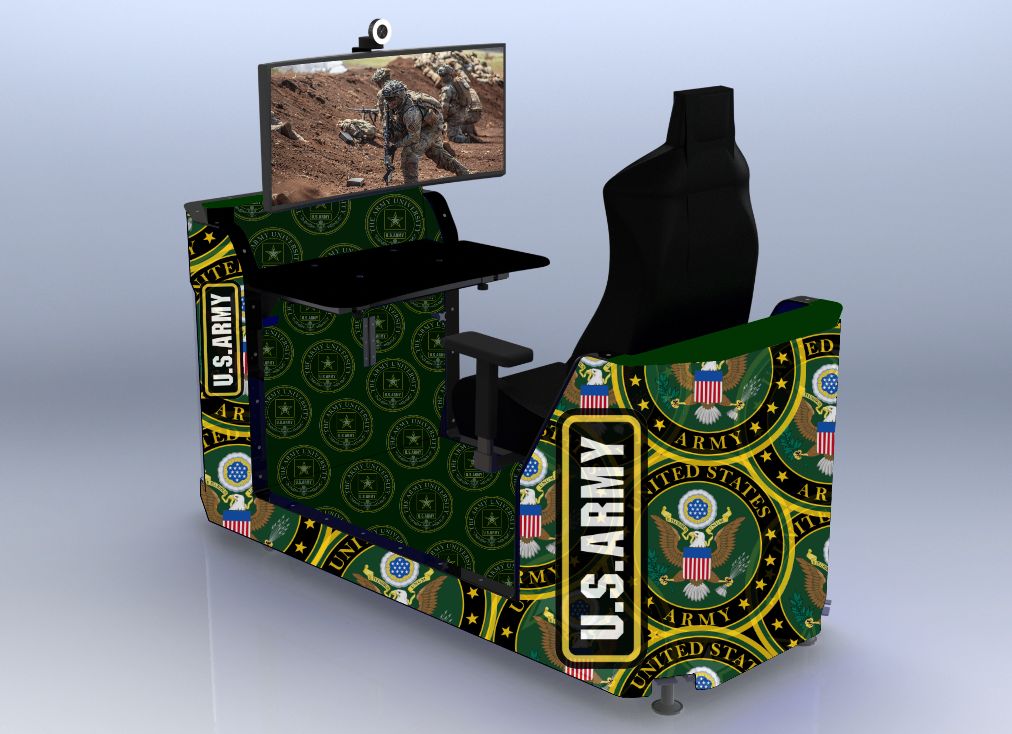
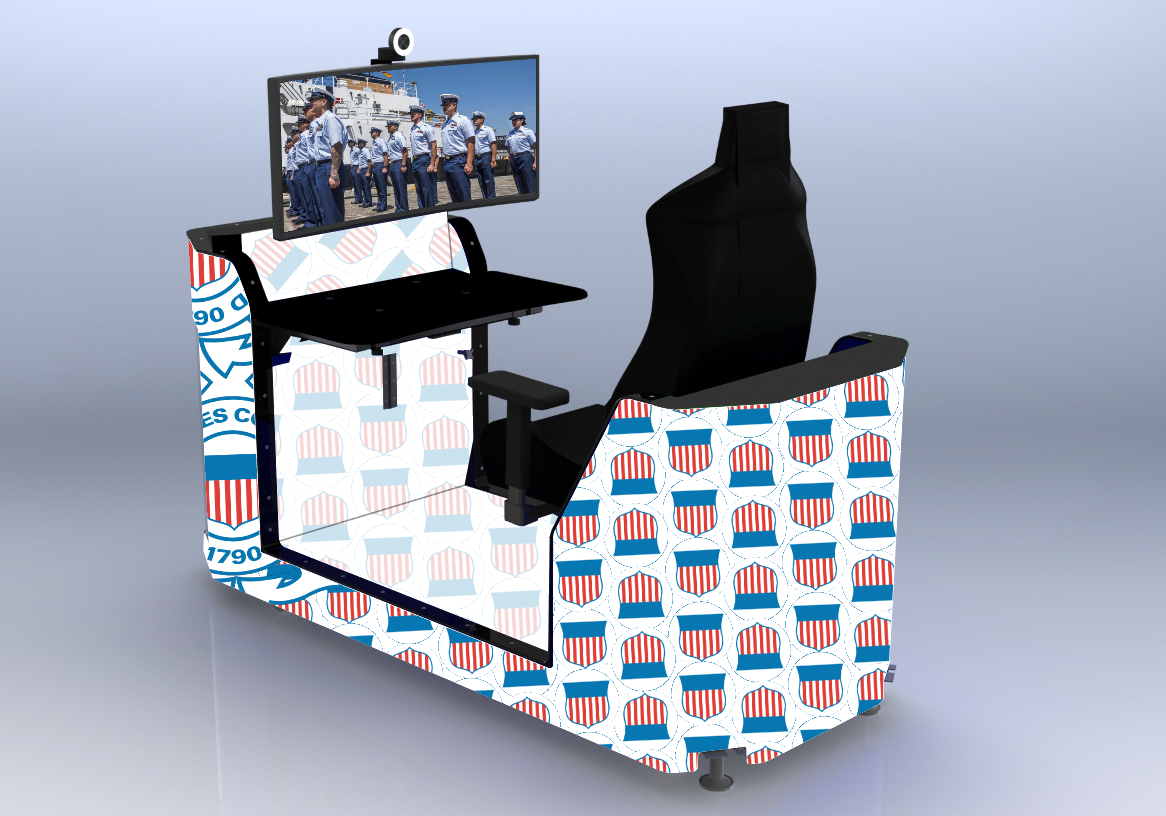
- Customizable branded panels that showcase your company's identity
- Desktop surfaces for peripherals, ensuring a premium gaming experience
- Modular designs that accommodate racing simulations, flight simulators, and competitive gaming setups
The cloud/AI infrastructure powering these pods includes:
- Cloud gaming platforms that eliminate hardware obsolescence
- AI-powered performance analytics tracking engagement metrics in real-time
- Remote content management allowing instant campaign updates across multiple locations
- Scalable deployment models that grow with your activation needs
- Integration capabilities with existing marketing automation and CRM systems
This isn't theoretical: companies like Lockheed Martin, the U.S. Navy, U.S. Army, Space Force, and Coast Guard are already using this infrastructure to connect with Gen Z talent pipelines.
Why This Infrastructure Actually Converts Gen Z Attention
The difference between traditional activations and cloud-based esports pods comes down to one word: authenticity. Gen Z doesn't engage with brands: they engage with experiences that align with their existing behaviors and values.
Community-Driven Engagement Over Corporate Messaging
Research consistently shows that Gen Z connects with brands through creators and community voices rather than traditional corporate announcements. Esports pods facilitate this by creating micro-communities around shared competitive experiences. When students gather around a pod to compete, spectate, and create content, your brand becomes part of that authentic social fabric.
Always-On Presence vs. One-Day Stunts
Traditional activations are ephemeral: you invest heavily for a weekend event, generate some buzz, then disappear. Cloud-based pods provide continuous brand presence. They're in schools and venues 365 days a year, becoming familiar touchpoints rather than intrusive interruptions. This persistent visibility drives exponentially higher brand recall and affinity.
Data-Rich Engagement Metrics
Here's where media buyers should really pay attention. Cloud infrastructure enables tracking that traditional activations can't match:
- Exact usage patterns and peak engagement times
- Player demographics and skill progression
- Content creation and social sharing behaviors
- Career pathway interest indicators (particularly relevant for talent recruitment campaigns)
- Cross-campaign performance comparisons in real-time
This data doesn't just measure impressions: it measures meaningful engagement and conversion indicators.
The Cloud/AI Literacy Advantage: Future-Proofing Your Investment
Let's address something most activation proposals ignore: technological obsolescence. Traditional experiential marketing requires complete rebuilds for each campaign. Cloud-based esports pods solve this through intelligent infrastructure design.
Remote Content Management at Scale
Update branded content, campaign messaging, and featured games across 50+ locations simultaneously. Launch a new product? Your creative director can push updated assets to every pod in your network within hours, not weeks. This agility transforms how campaigns iterate based on real-time performance data.
AI-Powered Optimization
Modern cloud platforms use machine learning to optimize engagement. The system learns which game titles drive the longest session times, which competitive formats generate the most spectator engagement, and which branded content elements perform best with specific demographic segments. Your activation literally gets smarter over time.
Hardware-Agnostic Deployment
Because the computational heavy lifting happens in the cloud, the physical pods don't require constant hardware upgrades. This dramatically reduces total cost of ownership while ensuring consistent performance. Your 2026 investment remains cutting-edge in 2029 through software updates rather than equipment replacement.
Real-World Applications: How Smart Brands Are Using This Infrastructure
Talent Pipeline Development
Military branches and aerospace companies use branded esports pods to introduce STEM career pathways through simulation experiences. Students engage with flight simulators branded with Space Force or Lockheed Martin, creating memorable associations between gaming skills and real-world career opportunities. This isn't recruitment advertising: it's immersive career exploration that builds long-term brand consideration.
Product Integration and Testing
Gaming peripheral companies like Logitech and racing simulation brands like Thrustmaster use pods as in-market testing environments. Students interact with products in authentic use cases, generating valuable feedback while building familiarity with your product ecosystem. When they're ready to make purchase decisions, your brand is already their default.
Esports Tournament Sponsorship
Rather than sponsoring existing leagues with limited touchpoints, brands can create proprietary competitive experiences within their pod networks. Host qualifying rounds across multiple schools, build community around your tournaments, and own the entire engagement ecosystem. This provides exclusive media rights and direct brand integration that traditional sponsorships can't match.
The Media Buying Case: ROI That Traditional Activations Can't Touch
Let's get practical about what this means for your media planning. A typical traditional brand activation might cost $150,000-$300,000 for a multi-city tour with 2-3 day activations per location. You'll reach thousands of people, generate social media buzz, and then… it's over.
A cloud-based esports pod network delivers continuous engagement for a comparable investment:
- Persistent presence: 180+ days of student engagement per school year
- Deeper metrics: Track individual user sessions, not just foot traffic
- Content generation: Students create organic content around your brand consistently
- Scalable expansion: Add locations incrementally based on performance data
- Multi-campaign flexibility: Update creative and messaging multiple times per year
The cost-per-engagement calculation isn't even close. Traditional activations measure impressions. Esports pods measure hours of direct brand interaction.
What Media Buyers Need to Know Before Deploying
If you're considering cloud-based esports pods for your next campaign, here's your practical checklist:
Infrastructure Requirements:
- Reliable internet connectivity at deployment locations (minimum 100 Mbps recommended)
- Physical space allocation (approximately 6'x6' per pod)
- Power requirements (standard 110V outlets)
- IT coordination for network integration and content management systems
Timeline Considerations:
- Custom branding design and approval: 2-3 weeks
- Manufacturing and deployment: 4-6 weeks
- Installation and testing: 1 week per location
- Launch and optimization: Ongoing
Success Metrics to Establish:
- Session time benchmarks
- Unique user targets
- Content creation goals (streams, videos, social posts)
- Brand lift measurement intervals
- Talent pipeline conversion tracking (if applicable)
Why This Matters Right Now
Gen Z isn't waiting for brands to figure out authentic engagement. They're already forming brand preferences based on which companies understand their digital-first lifestyle. The question isn't whether cloud-based infrastructure will become standard for youth marketing: it's whether your brand will be an early adopter or play catch-up.
The companies already deploying this infrastructure understand something fundamental: physical presence still matters, but it must be amplified by digital infrastructure. Esports pods bridge this divide perfectly, creating tangible brand touchpoints that feel native to Gen Z's digital existence.
For media buyers and creative directors, this represents an exciting opportunity to revolutionize how you approach experiential campaigns. You're not just buying impressions: you're building sustained engagement platforms that generate measurable business outcomes.
The traditional activation playbook is exhausted. Cloud-based esports infrastructure represents the next evolution of brand engagement. The question is simple: are you ready to lead this shift, or will you watch competitors claim this space while you're still planning your next pop-up?
Ready to explore how cloud-based esports pods can transform your Gen Z engagement strategy? Visit EsportsPod to see the infrastructure options and discuss deployment strategies tailored to your campaign objectives.