

Here's a problem keeping Fortune 5000 CHROs up at night: Gen Z is notoriously hard to recruit, expensive to train, and even harder to retain. Traditional career fairs feel transactional. Campus recruiting yields applicants who know nothing about your company culture. And by the time you've invested six months training a promising hire, they're already browsing LinkedIn for their next opportunity.
Now imagine a different scenario: Your entry-level candidates have already spent two years engaging with your brand, developing relevant technical skills, and demonstrating cultural fit: all before they even apply. They walk into orientation already familiar with your organization's values, technical requirements, and team dynamics. Their time-to-productivity drops from six months to six weeks. Your training costs plummet by 40%.
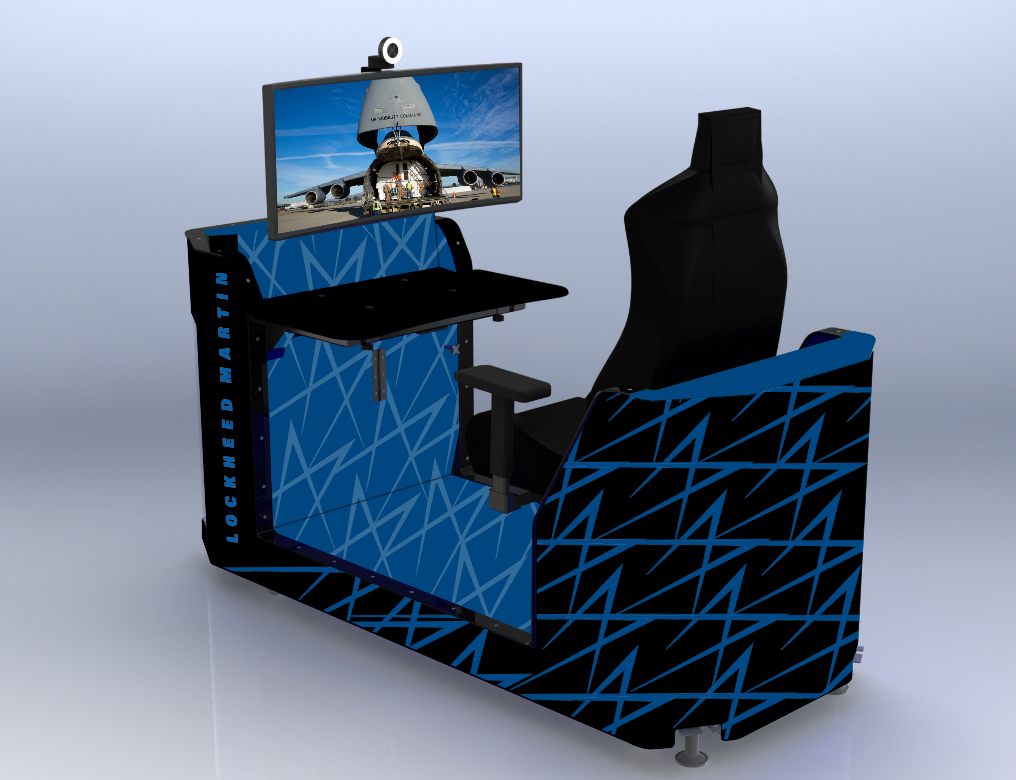
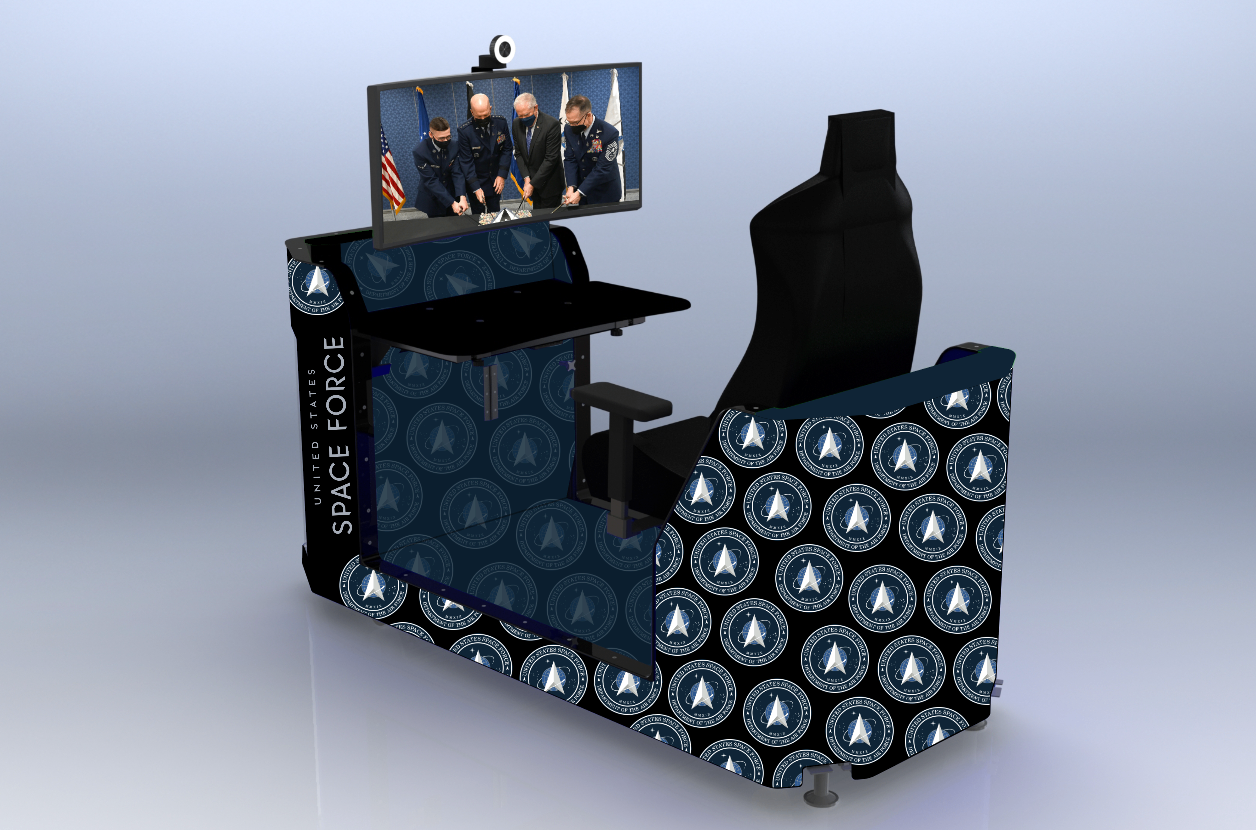
This isn't science fiction. It's the talent funnel revolution happening right now through custom-branded EsportsPods deployed in high schools across America.
The Traditional Recruitment Model Is Broken for Gen Z
Let's be honest about what traditional recruitment looks like: You post a job description. You review hundreds of generic resumes. You conduct interviews that reveal little about actual job performance. You make educated guesses. Then you spend months training people who may or may not work out, hemorrhaging resources in the process.
The disconnect with Gen Z is particularly acute. Members of Generation Z are more than twice as likely to be interested in esports compared to other generations: 34% versus 15%. Yet most Fortune 5000 companies are still recruiting them through career websites and handshake agreements that feel like artifacts from a different era.
Meanwhile, Gen Z spends hours daily in gaming and simulation environments where they naturally develop teamwork, problem-solving, and technical skills. The question isn't whether they have potential. It's whether you're identifying and cultivating that potential years before your competitors do.
Building Your Talent Pipeline Years Before Hire Date
EsportsPods fundamentally transform the recruitment timeline. Rather than meeting candidates months before potential hire dates, you're engaging them years in advance: during the critical high school years when career interests and technical aptitudes are forming.
Here's how the strategic talent funnel works:
Year One: Brand Awareness and Early Engagement
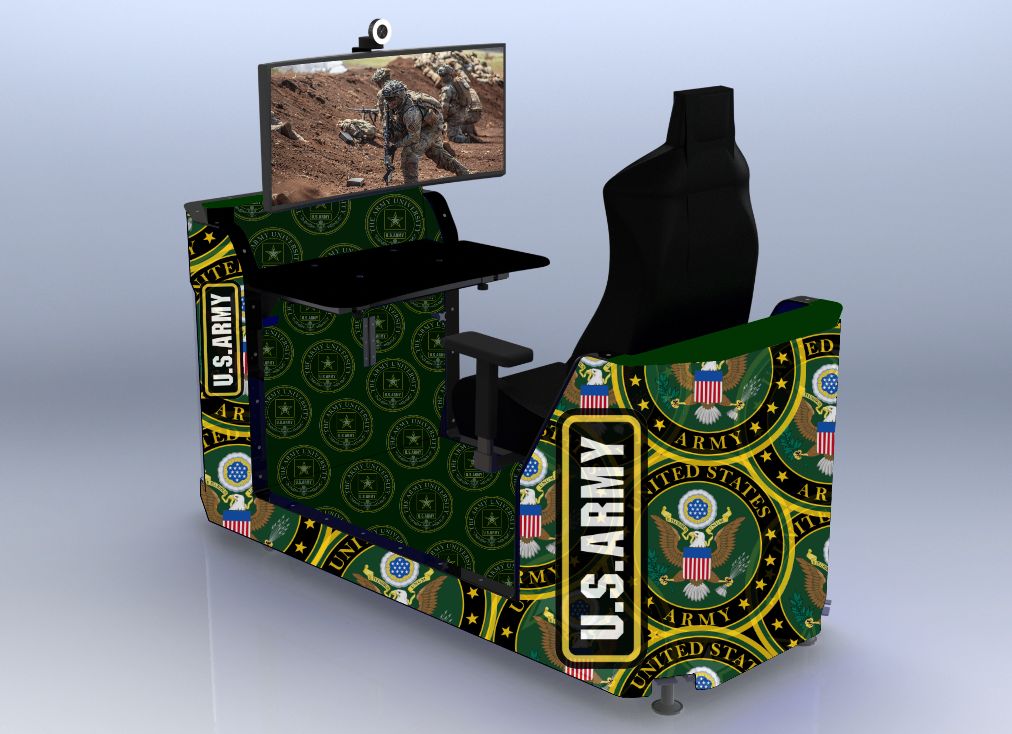
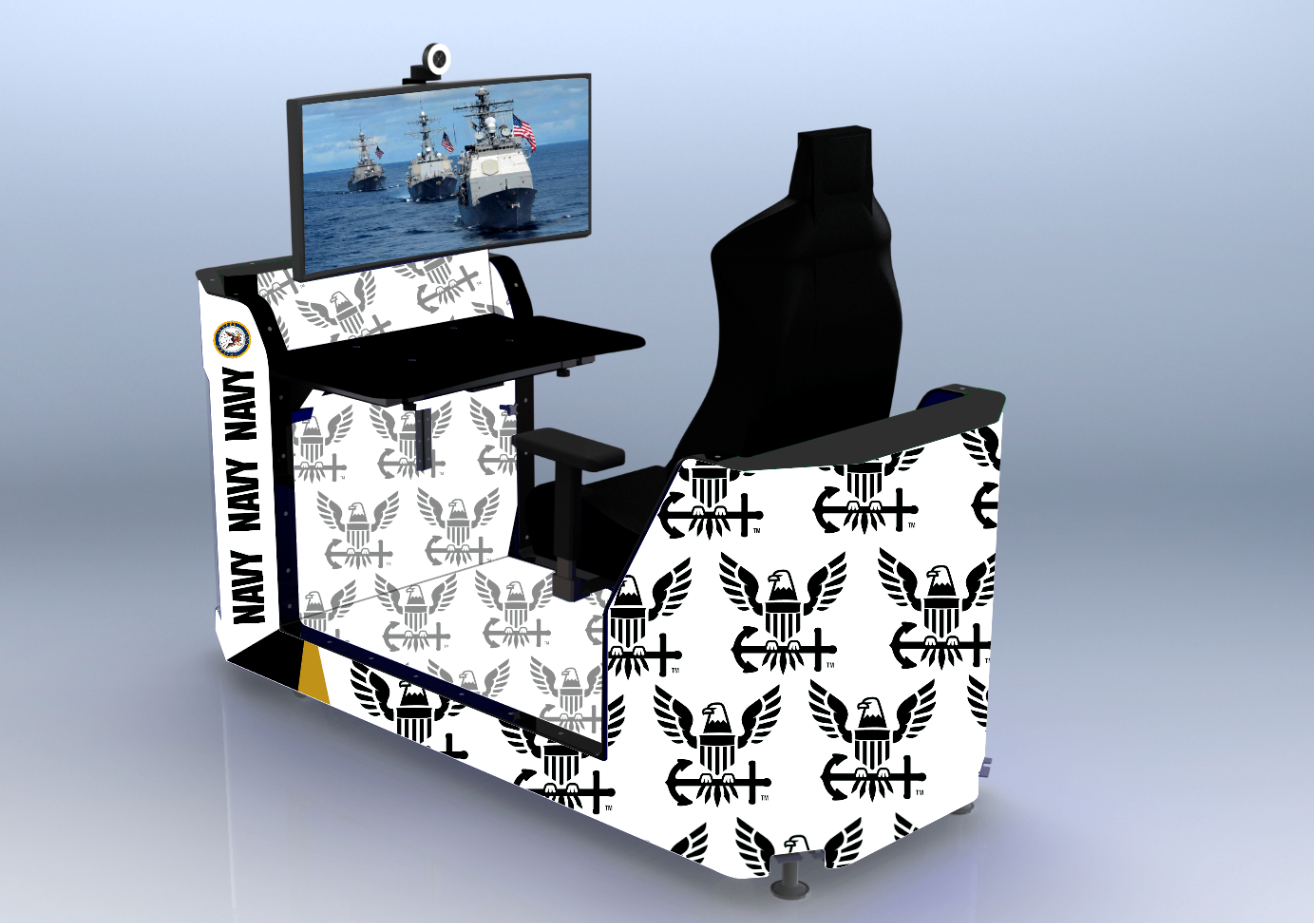
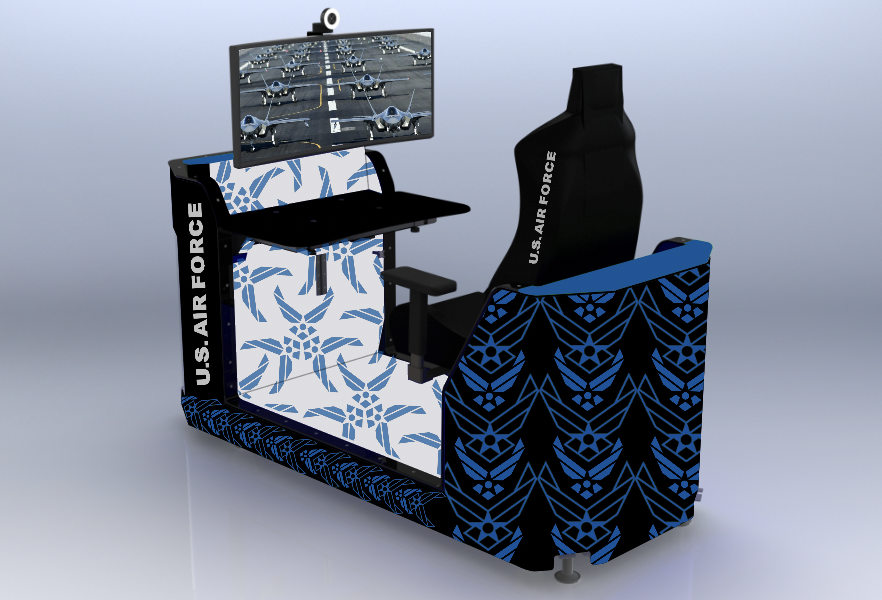
Your custom-branded pods are deployed in select high schools. Students interact with your brand daily, not through advertising but through immersive simulation and esports experiences. They begin associating your organization with cutting-edge technology, innovation, and opportunity.
Year Two: Skill Development and Assessment
Students develop technical competencies directly relevant to your industry through simulation-based training. Behind the scenes, comprehensive analytics track problem-solving approaches, collaborative capabilities, technical proficiency, adaptability under pressure, and leadership potential. You're not just watching resumes: you're observing actual performance over extended periods.
Year Three: Relationship Deepening
Top performers are identified for mentorship programs, exclusive workshops, or early internship opportunities. They're already warm prospects who understand your organization and have demonstrated genuine interest through sustained engagement. When they apply for internships or entry-level positions, they're not strangers: they're known quantities with documented performance histories.
The 40% Training Cost Reduction: Where the Savings Actually Come From
Let's break down the economics, because this is where executives start paying attention.
Traditional hiring dumps new employees into intensive training programs designed to teach everything from technical skills to company culture to industry-specific knowledge. You're essentially starting from zero with every hire, investing 6-12 months of reduced productivity plus direct training costs that easily exceed $15,000-$30,000 per employee.
With EsportsPod-pipeline candidates, you eliminate or dramatically reduce:
- Technical onboarding: They've already developed baseline technical competencies through simulation training over years, not weeks
- Cultural acclimation: They understand your organizational values and work style through extended brand exposure
- Industry familiarization: Sector-specific simulations have already introduced them to relevant scenarios and challenges
- Motivation gaps: These are candidates who chose to engage with your brand repeatedly over years: their interest is proven, not claimed
The 40% training cost reduction comes from compressing your time-to-productivity from 6+ months to 6-8 weeks. Your new hires arrive pre-qualified, pre-trained, and pre-motivated. They require refinement, not foundation-building.
Forward-thinking organizations are documenting 300-500% ROI within three years when measuring comprehensive pipeline impact versus traditional cost-per-hire models. The math isn't complicated: it's just invisible until you start tracking it.
Data-Driven Workforce Intelligence That Actually Predicts Performance
Here's what separates EsportsPods from traditional recruitment: You're not making hiring decisions based on 45-minute interviews and polished resumes. You're making them based on years of performance data across metrics that actually matter.
Modern EsportsPod platforms generate comprehensive analytics including:
- Technical proficiency development trajectories showing learning velocity and skill retention
- Collaborative performance metrics revealing team dynamics and communication effectiveness
- Problem-solving approaches under various scenarios and pressure conditions
- Persistence indicators showing how candidates respond to challenges and setbacks
- Adaptability measurements tracking flexibility when rules or conditions change
This intelligence transforms workforce planning from reactive to strategic. You're not just filling current openings: you're building talent pipelines aligned with five-year business objectives. When your expansion plans call for 50 new technical hires in eighteen months, you already have a pool of pre-qualified candidates whose capabilities have been systematically tracked and verified.
The Internship Conversion Advantage
Traditional internship programs operate like extended job interviews: you're still essentially meeting candidates for the first time, just with a longer evaluation window. Conversion rates hover around 50-60% because it takes months to assess cultural fit and technical capability.
EsportsPod pipeline internships flip this equation entirely. Your interns aren't strangers gambling on unknown opportunities. They're candidates who have engaged with your brand for years, developed relevant skills, and demonstrated sustained interest through measurable actions rather than interview promises.
The result? Internship-to-hire conversion rates approaching 80-85% with dramatically higher first-year retention. These hires have already self-selected through years of voluntary engagement. They know what they're signing up for. The surprises that typically drive early attrition have been eliminated before the offer letter.
Strategic Deployment: Placement Matters More Than Volume
The most successful Fortune 5000 implementations aren't deploying pods everywhere: they're placing them strategically in schools that feed into target talent markets. This means considering regional hiring needs, local talent quality, and demographic alignment with long-term workforce objectives.
A technology company focusing on AI and cybersecurity might prioritize STEM-focused magnet schools in tech hubs. A logistics corporation might target schools near distribution centers where future operations managers will be recruited. The point isn't maximum exposure: it's maximum relevance.
The Competitive Advantage: First-Mover Status
Here's the reality that makes this opportunity time-sensitive: EsportsPod placement in high schools creates de facto exclusivity. Once students have spent two years engaging with your branded pods, developing skills through your simulations, and building relationships with your organization: competing recruiters are at a massive disadvantage.
You're not just recruiting earlier. You're recruiting differently, in a way that creates genuine affinity and documented capability rather than transactional interest. The organizations that establish these pipelines now will have multi-year competitive advantages in talent acquisition that traditional recruitment strategies simply cannot overcome.
The question isn't whether this approach will become standard practice: the ROI is too compelling for that outcome to be in doubt. The question is whether your organization will be among the first movers who build sustainable talent pipelines, or among the laggards struggling to compete for whatever candidates remain after early adopters have skimmed the cream.
Getting Started: The 90-Day Implementation Path
For Fortune 5000 organizations ready to transform their Gen Z recruitment strategy, implementation follows a proven pathway:
Phase One (30 days): Define target talent profiles, identify strategic school placements, and customize pod branding aligned with workforce development objectives.
Phase Two (60 days): Deploy initial pod installations, establish performance tracking systems, and launch student engagement programs.
Phase Three (90 days): Begin collecting baseline performance data, initiate early identification of high-potential candidates, and integrate pipeline analytics into workforce planning processes.
The timeline from installation to measurable hiring impact is 18-24 months: which means organizations starting today will be recruiting from their custom talent pipelines by late 2027, while competitors are still relying on career fair handshakes and LinkedIn cold outreach.
The talent wars for Gen Z aren't coming. They're here. The only question is whether you'll fight them with yesterday's weapons or tomorrow's strategy.
Ready to transform your Gen Z recruitment strategy and cut training costs by 40%? Learn more about EsportsPod talent pipeline solutions and discover how Fortune 5000 companies are already building competitive advantages through early talent identification and skill development.