

Let's address the elephant in the boardroom: your talent acquisition team is struggling to fill technical positions, your youth engagement metrics are declining, and your competitors are already moving into a space you've been dismissing as "just gaming."
Here's what forward-thinking Fortune 5000 companies have discovered: high school esports isn't a sponsorship expense. It's a strategic workforce development investment with measurable ROI.
The Skills Gap Nobody's Talking About (But Everyone's Experiencing)
While your HR department posts job listings for roles requiring technical proficiency, collaborative problem-solving, and digital fluency, there's an entire generation developing exactly those skills: in gaming ecosystems you're not accessing.
The reality? Every company building a technically innovative workforce needs gamers. Not because they play games, but because of what competitive gaming develops:
- Real-time data analysis and decision-making under pressure
- Cross-functional team coordination across distributed environments
- Technical troubleshooting and systems thinking
- Performance optimization mindsets
- Digital-native communication and collaboration
These aren't soft skills. These are the hard competencies your organization needs for roles in cybersecurity, data analytics, digital operations, and emerging technology implementation.
Why Traditional Recruitment Channels Are Missing This Talent
The disconnect is fundamental. Your traditional campus recruitment starts at college: but the students you need to reach are making career decisions years earlier. By the time they're choosing majors, their perception of your industry (and your brand) is already formed.
Meanwhile, these students are spending 15-20 hours weekly in competitive gaming environments, developing skills your organization desperately needs: completely outside your visibility.
The strategic question isn't whether to engage this demographic. It's how to build authentic, value-driven pathways that benefit both students and your talent pipeline.

The EsportsPod Infrastructure Model: More Than Hardware
This is where the conversation shifts from theory to implementation. Building a sustainable talent funnel through high school esports requires physical infrastructure that supports both competitive gaming and workforce exposure.
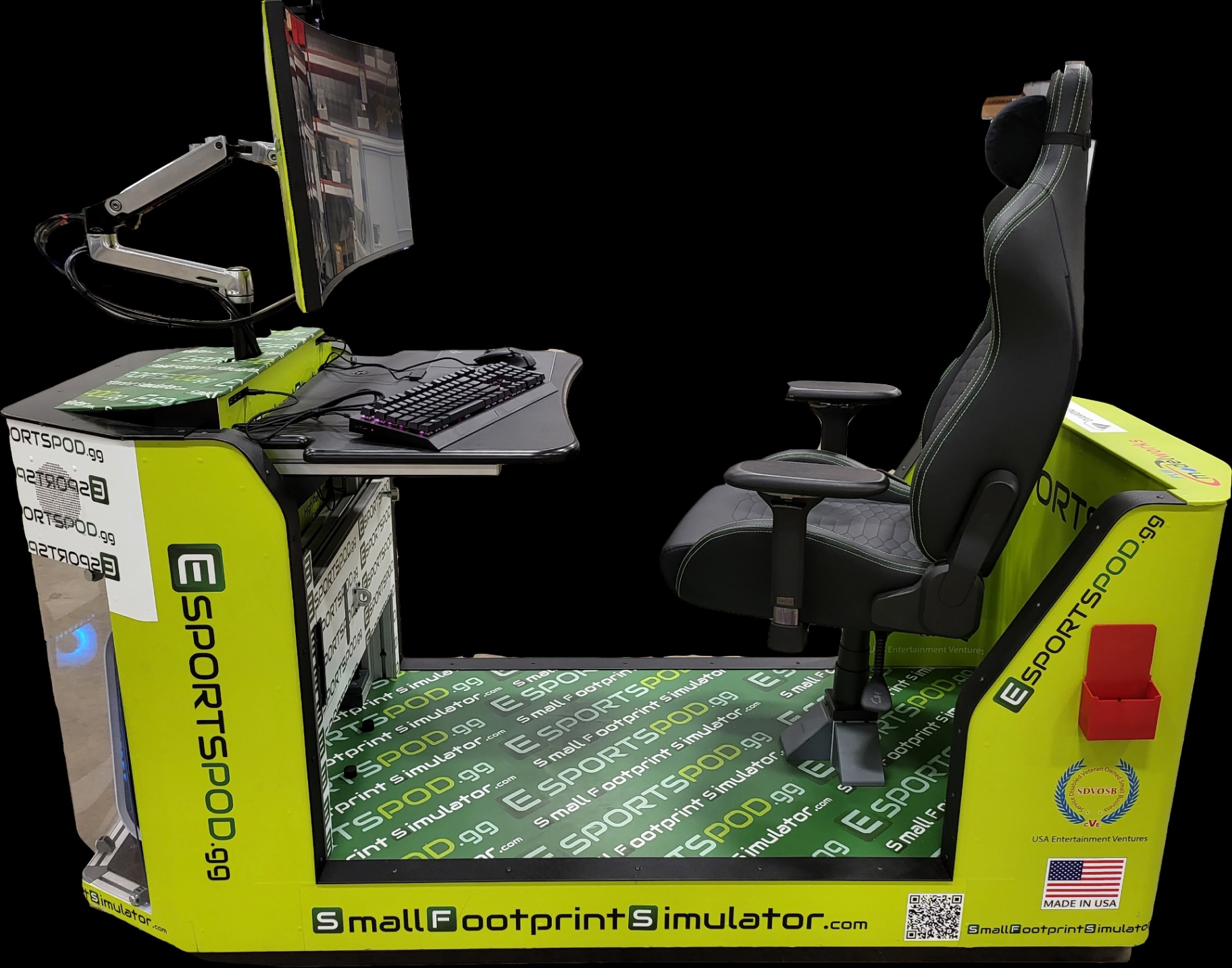
EsportsPods represent purpose-built solutions designed specifically for educational environments: turnkey gaming stations that transform traditional recruitment approaches into experiential career development platforms.
What makes this different from standard gaming equipment?
The infrastructure creates justifiable business touchpoints. Rather than abstract sponsorships, companies gain:
- Direct student engagement through branded equipment and facilities
- Mentorship opportunities where your professionals work alongside students
- Real project experience in marketing, event production, broadcasting, and analytics
- Pipeline visibility into emerging talent years before graduation
Consider the San Antonio model, where a single esports initiative operates 60 high-end stations partnered with all 17 local high schools. The result? 400 students monthly gaining hands-on experience working alongside business professionals: and approximately 90 corporate partnerships specifically designed as workforce development pipelines.
The Dual-Purpose Investment: HR Meets Marketing
Here's where this approach becomes particularly compelling for C-suite decision-making. Traditional youth marketing delivers brand awareness. Traditional recruitment delivers applications. Esports infrastructure investment delivers both simultaneously: with measurable KPIs across departments.
Your marketing team gains:
- Authentic brand presence in youth culture without forced messaging
- Content generation through tournament coverage and student stories
- Community engagement metrics demonstrating genuine connection
- Social responsibility positioning supporting education and opportunity
Your HR team gains:
- Early talent identification and relationship building
- Diversity pipeline expansion into underrepresented technical talent
- Reduced hiring costs through direct pipeline versus broad recruitment
- Retention improvements from candidates already familiar with company culture
The investment becomes cross-departmental ROI rather than single-purpose expense. This is how you transform esports from a sponsorship line item into a strategic workforce initiative with board-level justification.

Beyond Competition: The Career Exposure Ecosystem
The mistake many organizations make is viewing high school esports purely as tournament sponsorship. The real value lies in what happens around the competition.
When students engage with properly structured esports programs supported by corporate partners, they're not just gaming. They're:
Learning broadcast production by streaming tournaments and creating highlight content
Developing marketing skills by promoting events and building social media presence
Managing partnerships by coordinating with local businesses and sponsors
Executing live events by planning, staffing, and operating competitions
Analyzing performance data by tracking statistics and optimizing strategies
Each of these activities represents direct exposure to career pathways your organization needs to fill. Students aren't hearing about these careers in abstract presentations: they're experiencing them firsthand, building portfolios, and developing relationships with industry professionals.
Implementation Strategy for Fortune 5000 Organizations
The pathway from interest to implementation requires strategic planning, but the model is proven. Here's how leading organizations are structuring their approach:
Phase 1: Infrastructure Partnership
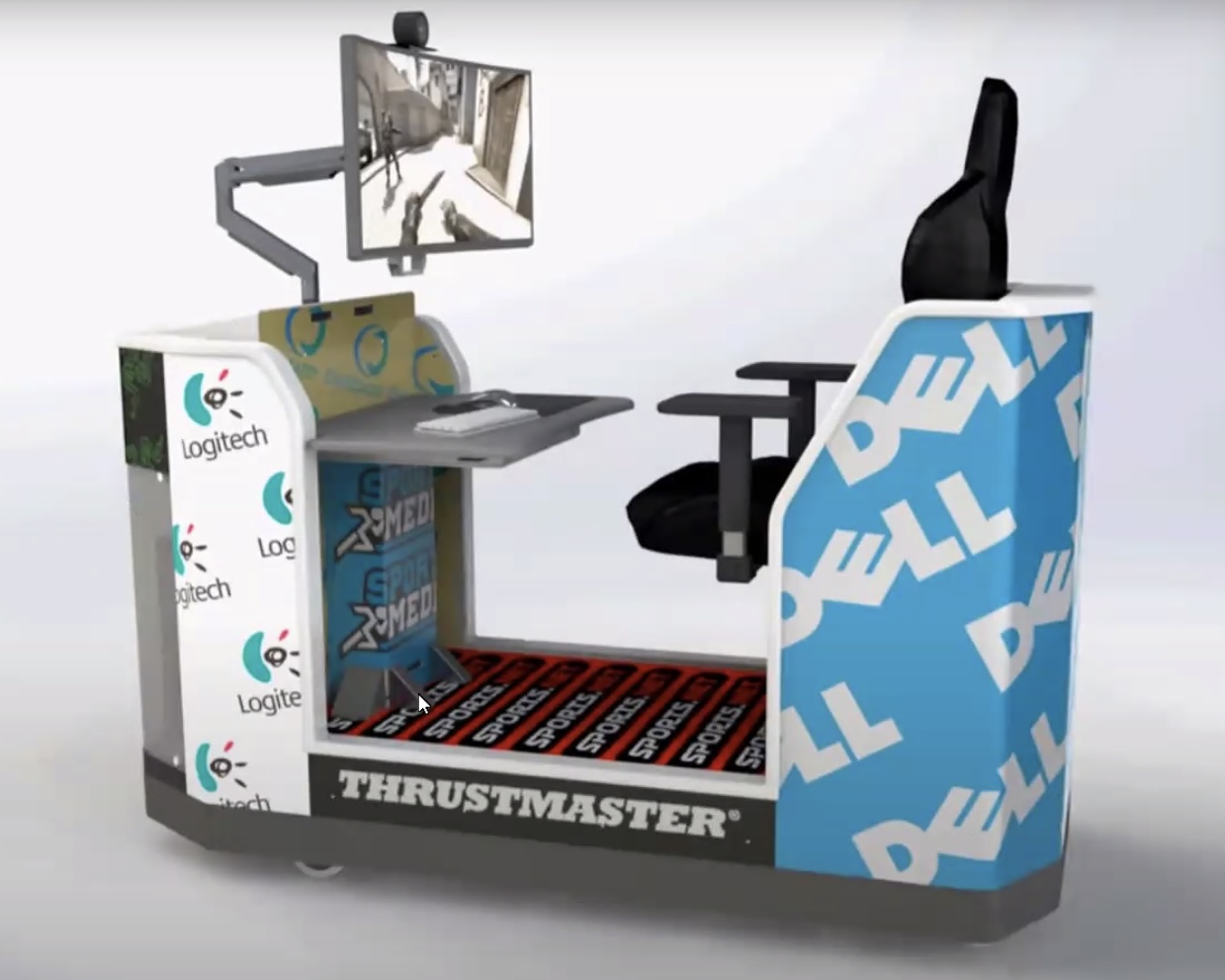
Deploy EsportsPod stations in target high schools through equipment partnerships or direct facility support. This creates your physical presence and operational foundation.
Phase 2: Program Integration
Connect your professionals with student programs for mentorship, project collaboration, and career exposure. This builds relationship equity and pipeline visibility.
Phase 3: Talent Development
Establish internship pathways, scholarship programs, and early recruitment initiatives specifically for students engaged in the esports ecosystem.
Phase 4: Ecosystem Expansion
Scale across additional schools, regions, and program types based on demonstrable talent pipeline outcomes and recruitment metrics.
The critical factor? Start local and scale based on results. Cities like Frisco are recognizing this opportunity at municipal levels, with government, business, and tech community leaders actively developing esports ecosystems as coordinated workforce strategy.
The Competitive Advantage of Early Movement
While some Fortune 5000 companies are still debating whether esports represents legitimate business opportunity, others are already establishing dominant positions in emerging talent markets.
The first-mover advantage in workforce development is substantial. Schools and students gravitate toward companies demonstrating authentic commitment through infrastructure investment and ongoing engagement: not one-time sponsorship checks.
Your competition isn't just other companies in your industry. It's every organization recognizing that technical talent development begins in high school, and gaming communities provide the most direct access to students developing relevant skills.
Making the Case Internally
Presenting this initiative to stakeholders requires framing that connects esports infrastructure to existing strategic priorities:
For the CFO: Cross-departmental ROI spanning HR recruitment costs, marketing spend, and corporate social responsibility initiatives with measurable talent pipeline outcomes.
For the CMO: Authentic youth engagement, content generation, and brand positioning in emerging markets without traditional advertising's diminishing returns.
For the CHRO: Early talent identification, diversity pipeline expansion, and reduced cost-per-hire through direct relationship building with technical candidates.
For the Board: Strategic workforce development addressing skills gaps while modernizing recruitment approaches for emerging economy demands.
The conversation isn't about gaming: it's about modernizing talent acquisition infrastructure for the reality of where technical skills are being developed.
Your Next Move
The question facing Fortune 5000 leadership isn't whether high school esports represents opportunity. The data, the skills alignment, and the early-mover success stories have already answered that question.
The question is whether your organization will establish position in this emerging talent market while it's still accessible: or wait until competitors have already built the relationships, infrastructure, and pipeline visibility that create insurmountable advantages.
Building talent pipelines through high school esports isn't experimental. It's strategic workforce development for organizations serious about accessing technical talent before competitors do.
Explore how EsportsPod infrastructure enables Fortune 5000 talent strategies