Aviation needs a steady pipeline of pilots, mechanics, air traffic professionals and engineers. Many people in the industry trace their interest back to an early experience: a first flight, an air show, or hours spent in a flight simulator. Schools can create that spark using simulation equipment that is now accessible and affordable.
Short answer: flight simulation lets students practice basic flight concepts, instrument reading and decision-making in a safe environment. It builds aviation awareness and STEM skills, and it can help students decide whether to pursue formal flight training or other aviation careers.
What can students learn from a flight simulator?
- The four forces of flight: lift, weight, thrust and drag
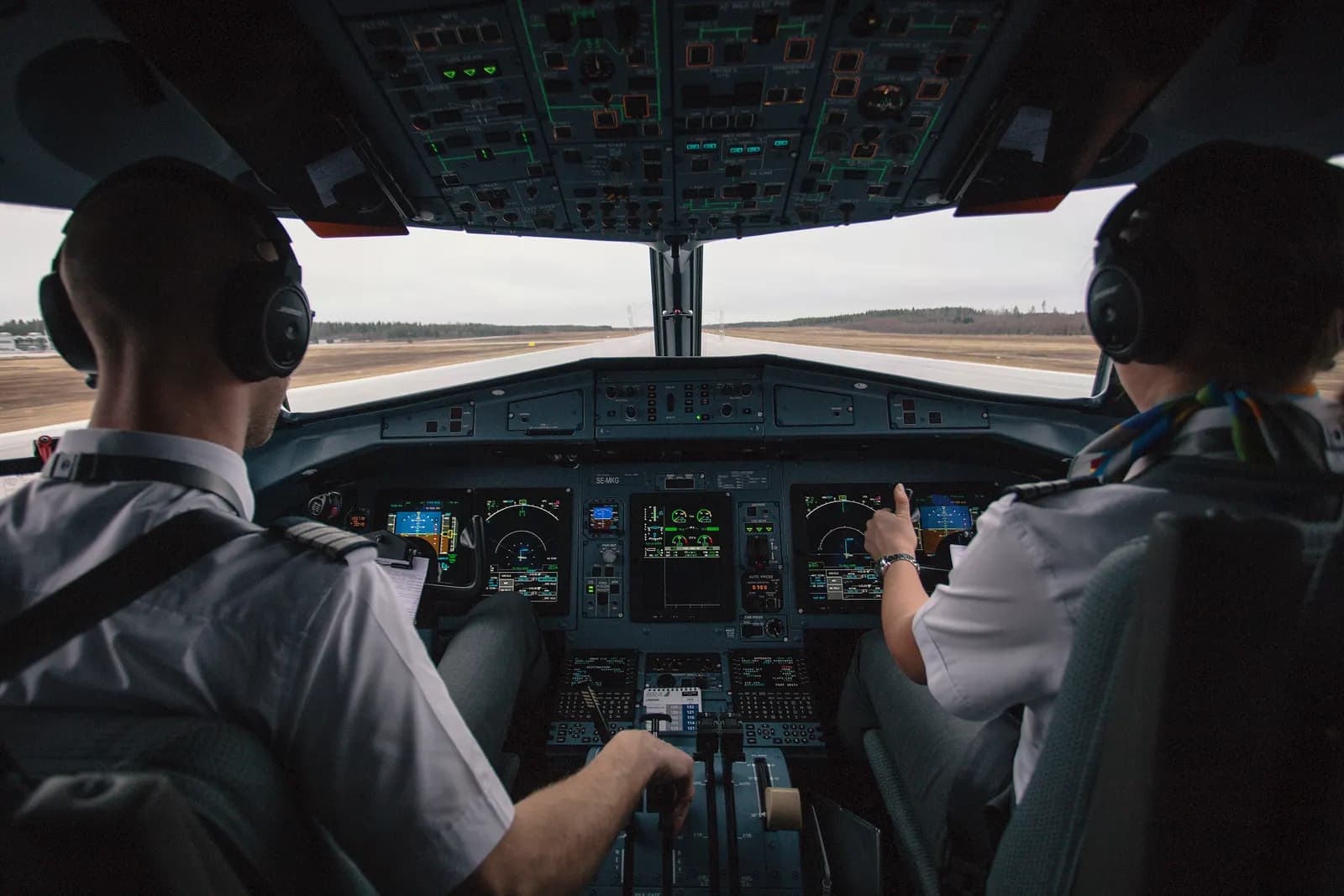
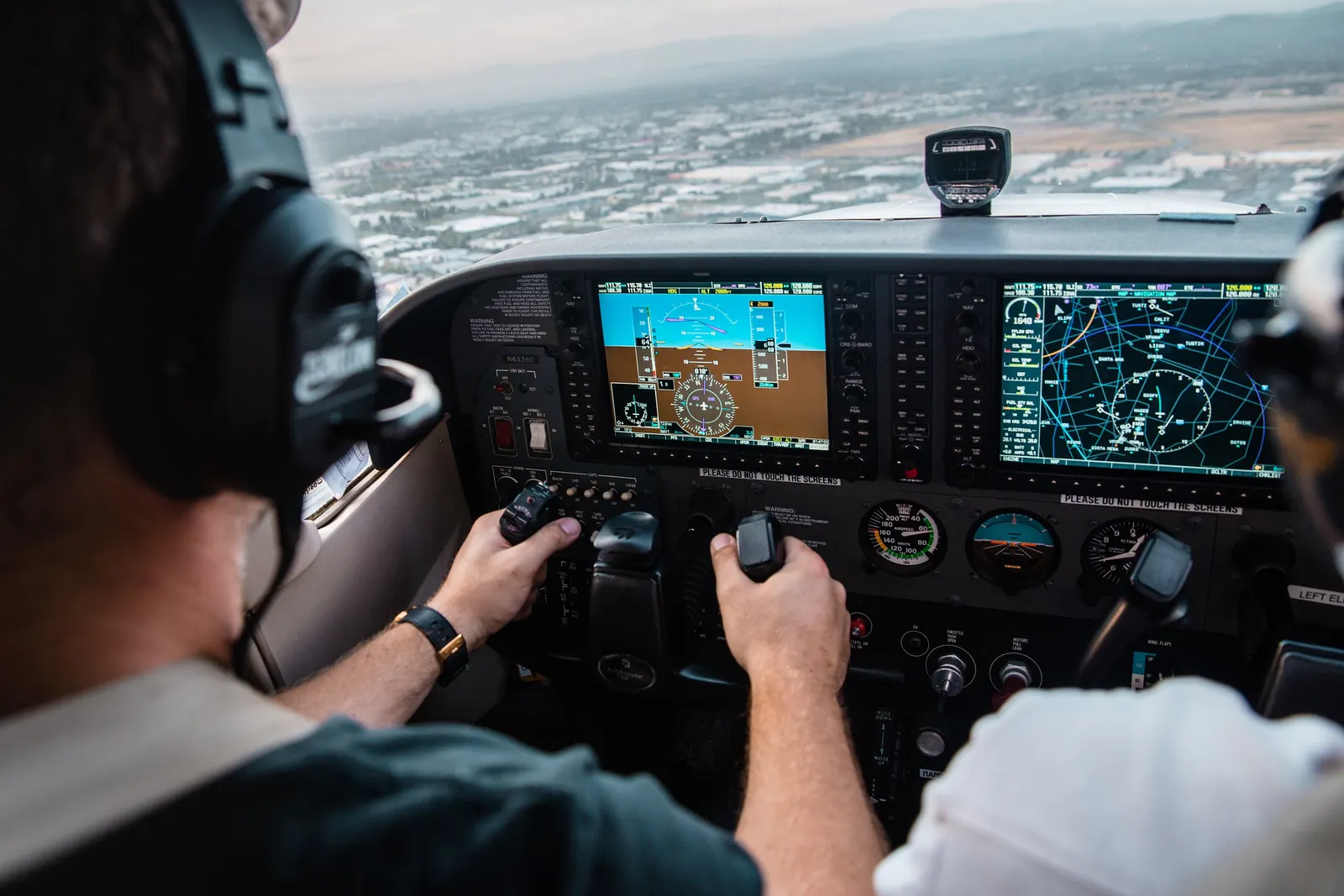
- Cockpit layout and how to read primary flight instruments
- Basic maneuvers such as climbs, turns and descents
- Navigation concepts and situational awareness
- Checklists, procedures and calm decision-making under pressure
These lessons tie directly to physics, math and geography, which makes flight simulation useful across subjects.
What equipment does a classroom flight simulator need?
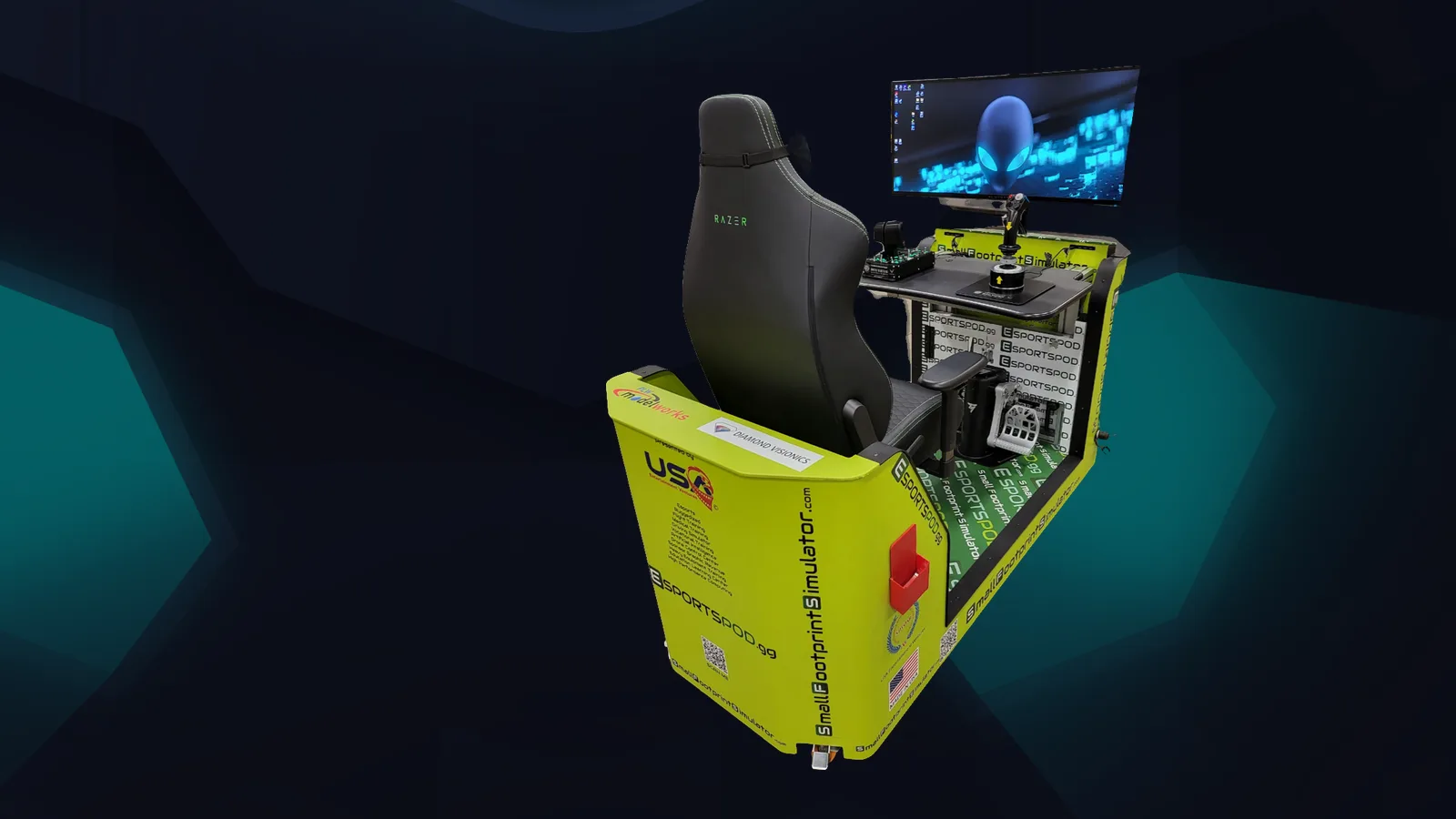
A keyboard and mouse can run a flight simulator, but realistic controls make a large difference in engagement and learning. The Esports Pod supports Thrustmaster flight gear, including HOTAS (hands on throttle and stick) setups and TCA yokes modeled on real aircraft controls. Combined with an Alienware gaming PC and a 38-inch curved monitor, students get a wide field of view that makes approaches and landings feel more natural. Optional HTC Vive Pro Eye virtual reality adds even more immersion.
Is a classroom simulator the same as certified flight training?
No, and it is important to be clear about this. Certified flight training devices used for logging training time must meet aviation authority requirements. A classroom simulator is a tool for exploration, familiarization and STEM learning. It can prepare students to understand concepts before formal lessons and help them discover whether aviation is the right path.
How can teachers use flight simulation with a whole class?
One challenge with any simulator is that only one student sits at the controls at a time. The Esports Pod includes a projector slot so a teacher can display the pod screen on a classroom wall. The class can follow the flight, call out checklist items, track instruments, and discuss decisions in real time. Students can rotate through the seat while the rest of the class participates as crew, navigators or observers.
Which careers can flight simulation introduce?
- Commercial and military pilots
- Aircraft maintenance technicians
- Air traffic control
- Aerospace engineering
- Drone operations and unmanned systems
- Simulation design and software development
How do schools get started?
Start with a clear learning goal, such as an aviation unit in a physics class or a career exploration elective. Choose equipment that supports both flight simulation and other uses so it stays busy throughout the year. Explore the configurations on our products page and book a demo to try the flight controls yourself.
How can flight simulation connect to other subjects?
Flight simulation fits naturally into geography lessons on maps and weather, math lessons on headings and fuel planning, and physics lessons on forces. Students can plan a short route, calculate distance and time, fly it in the simulator, and then compare their plan to the result. This kind of project combines several subjects into one memorable experience and gives students a reason to apply classroom concepts.
Frequently asked questions
What is a HOTAS controller?
HOTAS stands for hands on throttle and stick. It places key controls on the throttle and joystick so the user can fly without moving their hands away.
Can simulator time count toward a pilot license?
Only time in approved, certified training devices can count toward certain requirements. A classroom simulator is best used for exploration and concept learning.
What age is appropriate for flight simulation?
Middle and high school students commonly use flight simulators in STEM programs, and college students use them in aviation and engineering courses.