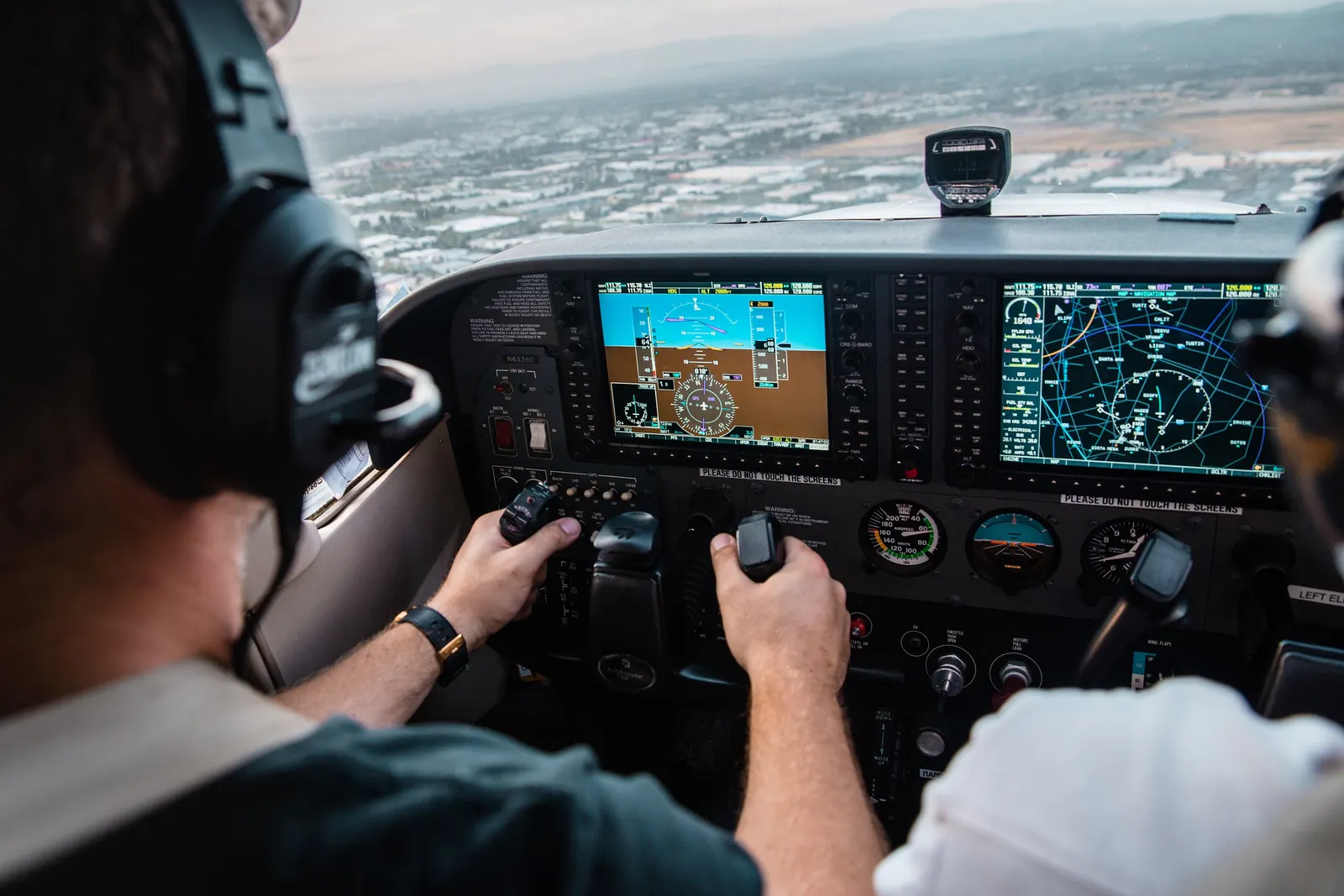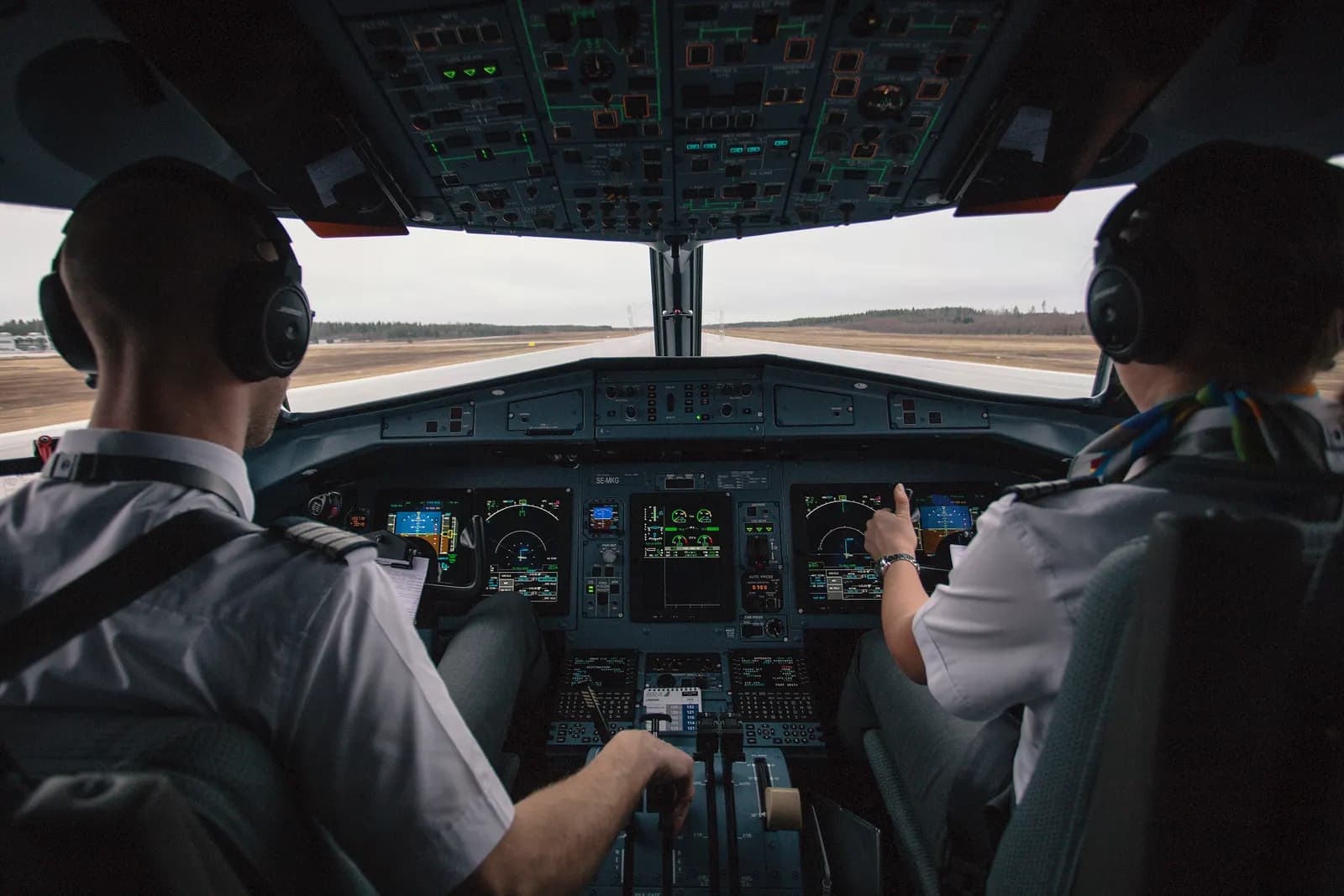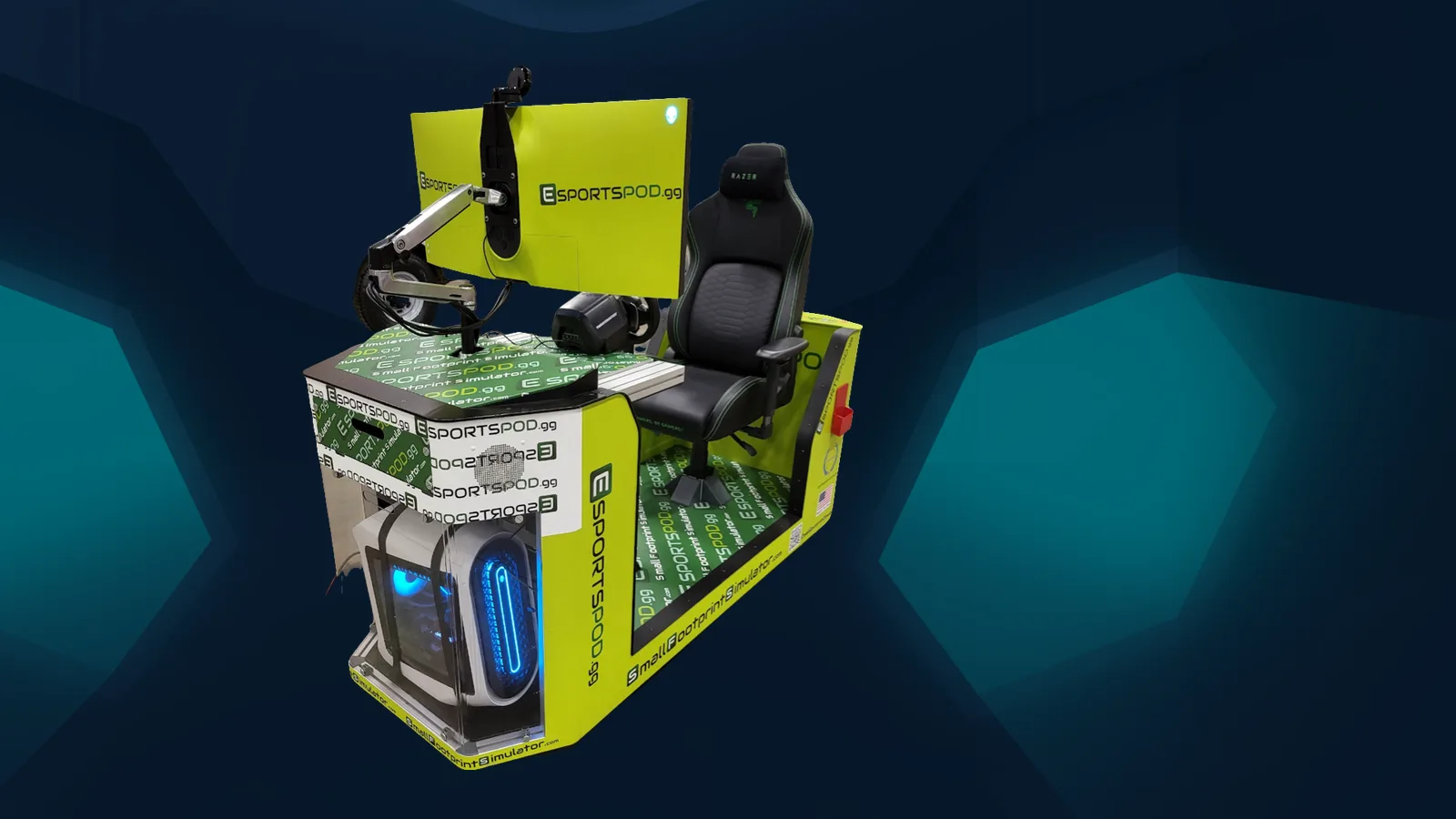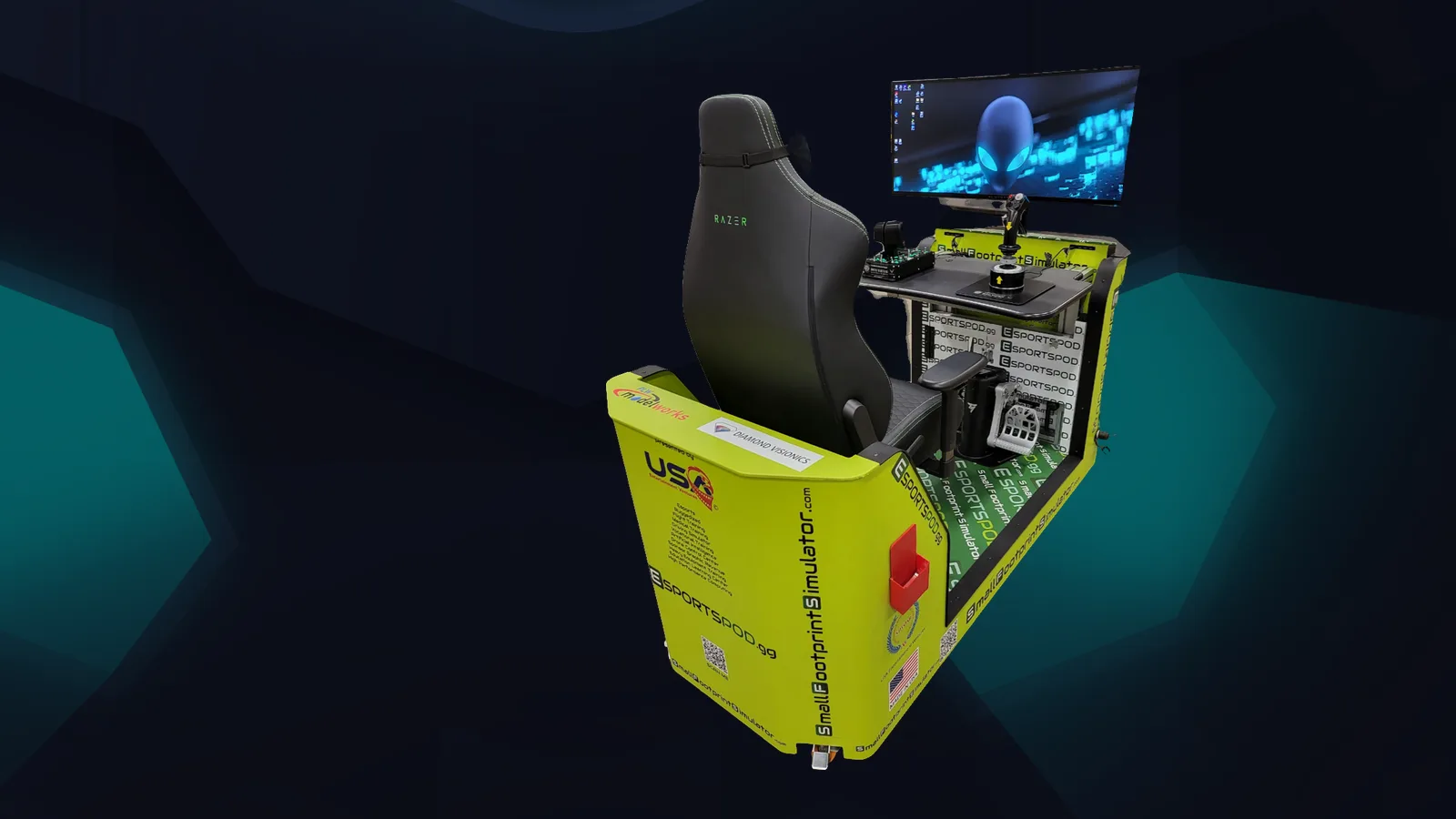
Flight simulation gives students a low-stakes way to test their interest in aviation before committing to training. An Esport Pod by Sports Media, Inc. can be configured with flight controls and an optional HTC Vive Pro Eye VR headset, so a school can offer a hands-on first look at aviation careers without a hangar or an aircraft.
Key takeaways
- Flight sim is an interest builder and exploration tool, not a substitute for real flight training.
- The pod supports flight controls and optional VR ($1,499).
- Aviation connects to many careers beyond pilots, including maintenance, dispatch and air traffic roles.
- A wall projector slot lets a class watch a flight together.
Can flight simulation really lead to an aviation career?
It can start the conversation. A simulator lets a student find out whether they enjoy procedures, instruments, navigation and decision-making, which is useful before they spend time and money on real training.
Let's be precise about the limits. A consumer-style simulator setup isn't an approved flight training device, and time in it doesn't count toward pilot certification. Real training happens with certified instructors and approved equipment. What the pod offers is exposure and curiosity, and for some students that's the difference between never thinking about aviation and asking a counselor about it.
What aviation careers can students explore?
Many more than the cockpit. Aviation is a large field with technical, operational and support jobs. Here are some starting points for a classroom discussion.
- Pilots: commercial, military and general aviation.
- Air traffic control: sequencing and coordinating aircraft.
- Aircraft maintenance: inspecting, repairing and certifying aircraft.
- Dispatch and operations: planning flights, weather and logistics.
- Aerospace engineering and avionics: design and systems.
Requirements and pathways differ by country and by role, so point students to official sources and local programs for specifics. For JROTC and DoDEA settings, aviation interest often links naturally to service pathways.
What does a flight sim pod include?
The pod pairs an Alienware gaming PC and a 38-inch curved Alienware monitor (3840x1600, 144 Hz) with flight controls. The wide display helps with instrument panels and outside views. An optional HTC Vive Pro Eye VR headset adds an immersive cockpit view for $1,499.
The pod also has a Razer Kraken V3 HyperSense headset for radio-style communication practice and a Razer Kiyo camera for recording or streaming sessions. Which flight software you run is your decision, and the details of what's installed are best confirmed during a demo on our demo page.
How would a school build an aviation pathway?
Aviation teaches habits that transfer well beyond flying: reading instruments, following checklists, staying calm when something changes and communicating clearly. Teachers in any subject can borrow those habits.
Start small, then connect it to people and programs. Ask a local pilot, airport employee or aviation club to visit, because a real person talking about a real job lands harder than any simulator can. A pod alone is a station. A pathway includes a teacher, a sequence of activities and outside connections.
- Intro: short guided flights covering basic instruments and controls.
- Skills: navigation, weather, checklists and radio practice.
- Connections: invite local pilots, airport staff or maintenance technicians to speak.
- Next steps: help interested students find real programs, scholarships and mentors.
The pod rolls through standard doors and runs on a standard 110V outlet, so it can move between a CTE room and a library for open sessions. Sponsorship from aviation-related businesses may also be possible, which is something to explore on our sponsorship page.
Frequently asked questions
Does simulator time count toward a pilot license?
Not on a consumer-style setup. Pilot certification relies on approved training devices and real flight time with certified instructors. A pod is best viewed as an exploration tool that builds familiarity and interest. Check official aviation authority guidance for the actual requirements in your country.
Is VR required for flight simulation?
No. The pod's 38-inch curved monitor works well for flight on its own. The HTC Vive Pro Eye is optional, at $1,499, and adds an immersive cockpit view. Some students love it and others prefer the monitor, so many programs offer both options.
Which flight software does the pod run?
The pod is a gaming-class Alienware PC, so it can run a range of flight simulation titles. Specific software choice and licensing are decisions for your program. Raise it during a demo and we'll discuss what fits your goals, budget and curriculum.
How many students can fly at once?
One at a time, which is true of any cockpit. Each pod is a single-seat station. Rotate students in short flights of ten minutes or so, or use the projector slot to mirror the screen to a wall so classmates can watch, call out checklist items and discuss decisions together.
To plan an aviation pathway around your school, review the pod configuration options or talk to us.