A new school year is the best time to put structure around an esports program. Students arrive with energy and new members want to join, but without a plan that enthusiasm can fade by midterm. Advisors who map out the season in August set their programs up for a consistent, productive year.
Short answer: plan a school esports season by setting goals, choosing competitions, building a calendar with practices and matches, assigning student roles, scheduling equipment and space, and defining how you will communicate with families and measure progress.
What goals should a school esports season have?
Goals should go beyond winning. Strong programs set a mix of competitive, educational and community goals, for example:
- Field a team in one or more leagues or tournaments
- Maintain academic eligibility for all members
- Produce a set number of streamed broadcasts
- Host a community event or showcase
- Recruit new members, including students new to gaming
How should practices be structured?
Effective practices have a plan. A typical session might include a short warm-up, focused drills on a specific skill, scrimmages, and a review of what went well and what needs work. Rotate focus areas through the week. Keep practices on a consistent schedule so students and families can plan around them, and build in breaks for stretching and hydration.
Which student roles keep a program running?
- Captains: lead teammates and communicate with the advisor
- Analysts: review matches and track statistics
- Equipment managers: check stations before practice and report issues
- Broadcast crew: produce streams and highlight videos
- Social media and outreach: promote events and recruit members
Roles give more students ownership and build leadership skills.
How do you schedule shared equipment and space?
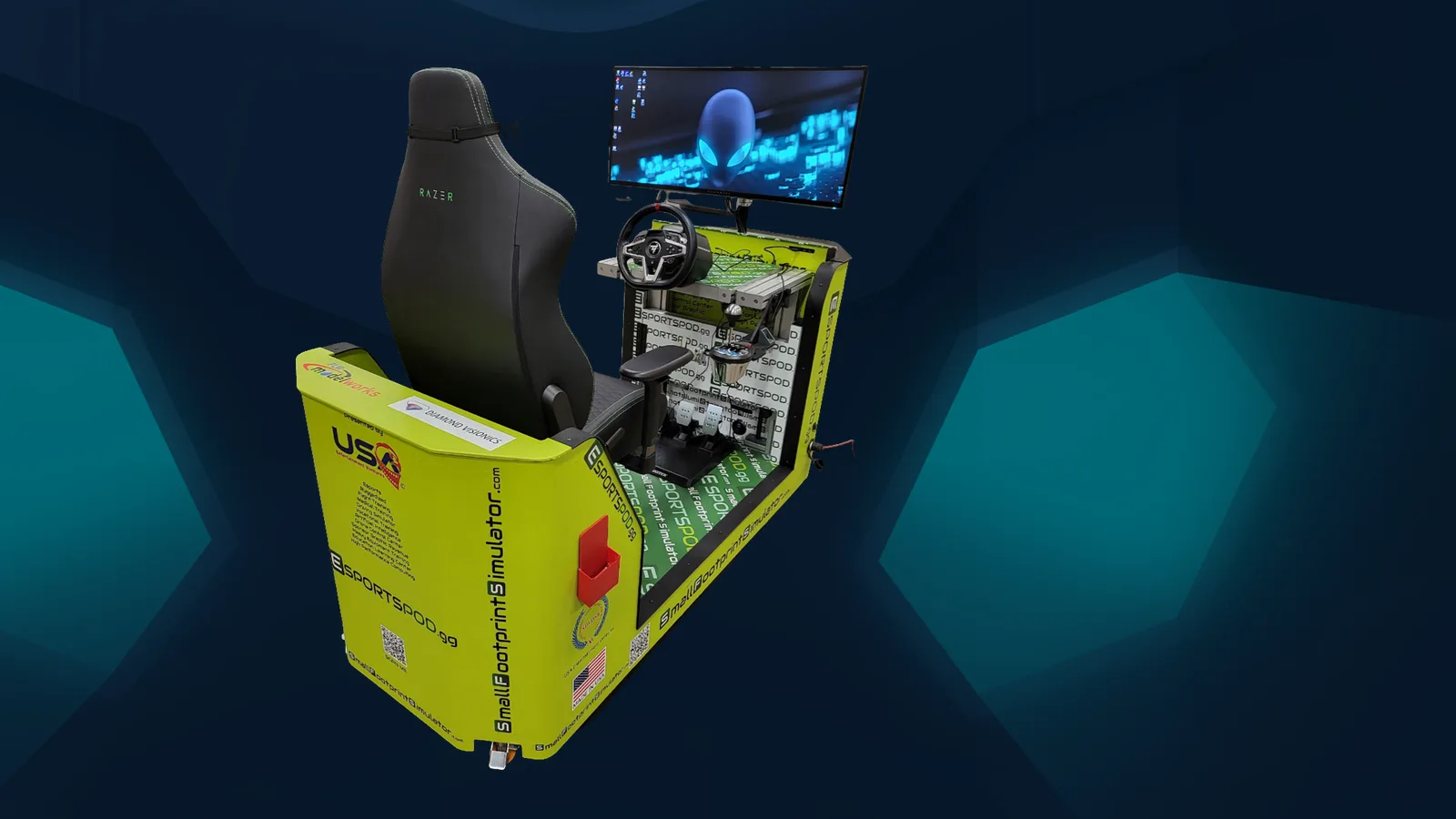
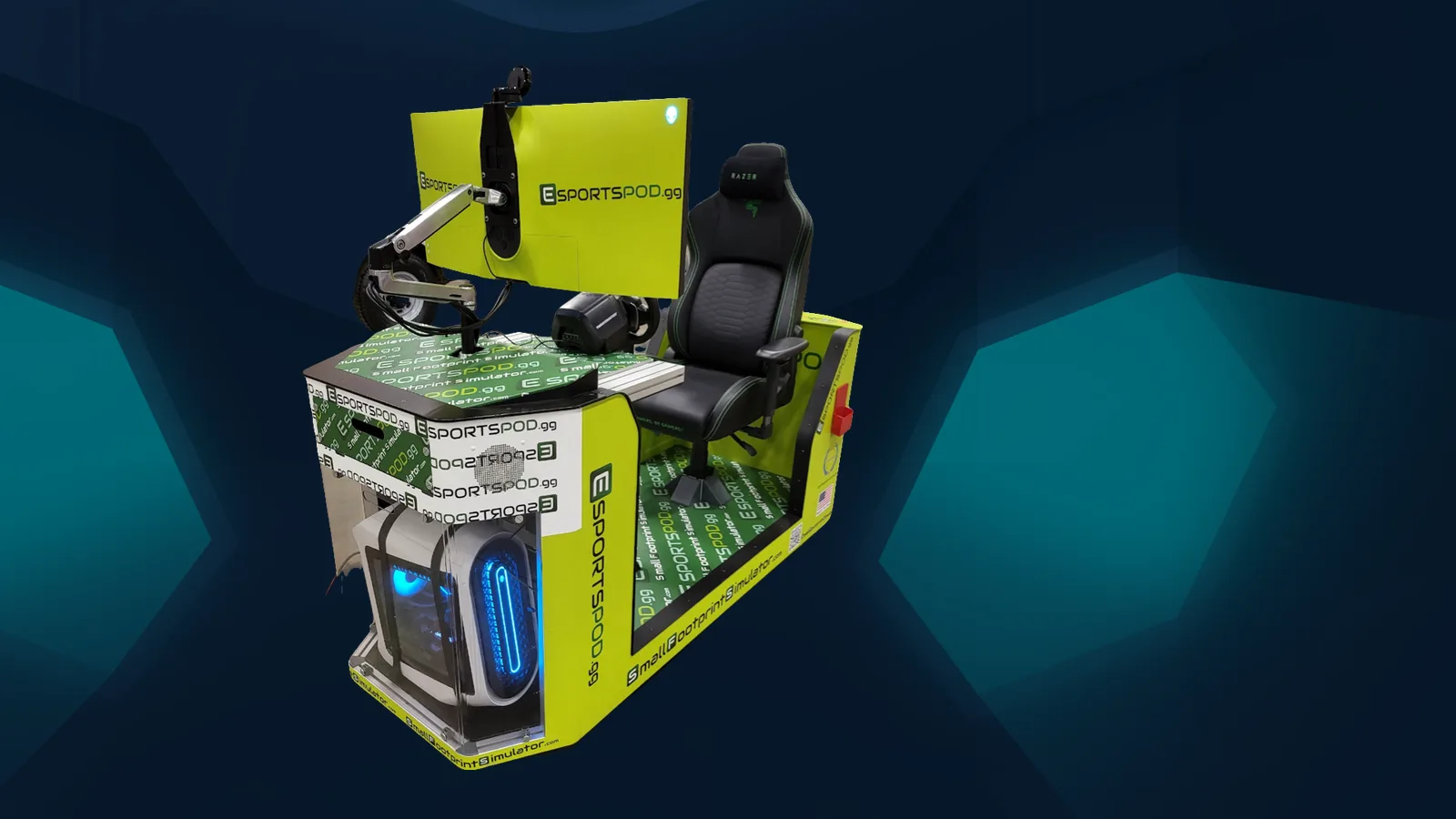
If stations live in a shared room, publish a schedule that shows when esports, classes and other groups use them. Mobile stations make this easier. The Esports Pod rolls on wheels, fits through standard doors and into elevators, and runs on 110V power, so it can move from a classroom during the day to a competition space in the evening. Assign an adult to confirm the stations are secured after each session.
What milestones should be on the calendar?
- Recruitment and interest meeting in the first weeks of school
- Tryouts or placement sessions
- League registration deadlines
- Regular season match dates
- Midseason review with students and families
- Playoffs, showcases and end-of-season celebration
How should advisors communicate with families?
Send a season overview at the start of the year with practice times, match dates, expectations and contact information. Share regular updates, links to streamed matches and highlights. Families who understand the program are more likely to support it and to see it as a legitimate school activity.
How do you measure progress during the season?
Track attendance, academic eligibility, match results, broadcast output and student feedback. Review these at midseason and adjust practices or roles if needed. At the end of the season, summarize results for administrators and sponsors. This record supports funding requests and shows how the program contributes to the school.
What should happen at the end of the season?
Close the season with a celebration that recognizes contributions beyond wins, such as leadership, improvement, sportsmanship and broadcast work. Hold a short debrief with captains to capture lessons for next year, and inspect equipment so repairs can be scheduled before the next season begins.
Need equipment that fits your season plan? Explore our products page or book a demo.
Frequently asked questions
How often should a school esports team practice?
Many teams practice two to four times a week during the season. The right frequency depends on league schedules, academics and available space.
Should esports teams hold tryouts?
Some programs hold tryouts for competitive rosters while keeping a club option open so every interested student can participate.
What should an esports season calendar include?
Include recruitment, registration deadlines, practices, matches, family events, midseason reviews and end-of-season celebrations.