
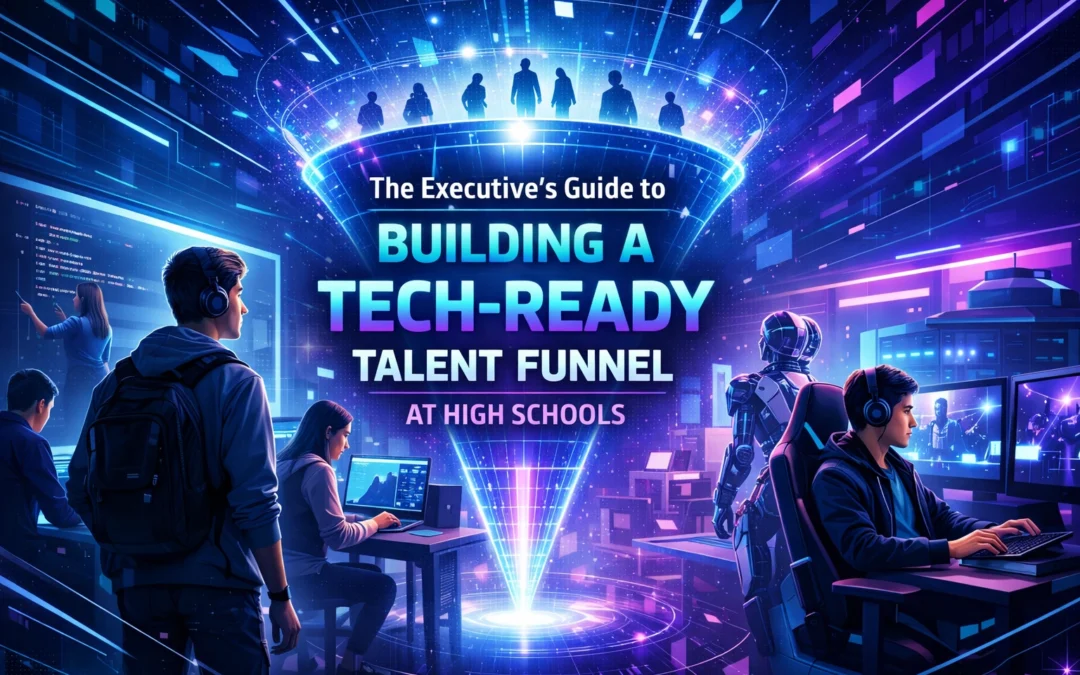
Let’s be honest: the traditional corporate recruitment playbook is gathering dust. If your strategy for finding top-tier technical talent still starts and ends at college career fairs, you’re already behind. By the time a student hits their junior year of university, the biggest players in Silicon Valley and Wall Street have already identified them.
As we move through 2026, the demand for specialized skills in AI, cloud architecture, and data analytics has officially outpaced what the four-year university system can supply. We call this the "talent cliff," and for Fortune 5000 executives, it’s the single biggest threat to long-term innovation.
The solution isn't just to "recruit better." It’s to build a talent funnel that starts years earlier. We're talking about high school. And the bridge to that talent? It’s sitting right inside the classroom in the form of an EsportsPod.
Why the High School Pipeline is Your Competitive Advantage
For a long time, high school engagement was seen as "community outreach" or a nice CSR (Corporate Social Responsibility) line item. In 2026, it’s a core business strategy. Organizations that begin building these pipelines today gain a compounding advantage.
When you engage a student at 15 or 16, you aren't just looking at a resume; you’re building brand equity. You are creating familiarity with your tools, your tech stack, and your corporate culture. By the time that student enters the workforce: whether they take a traditional degree path or a skills-based certification route: your company is their "first choice" employer.
The Strategic Framework: Shifting from Credentials to Capability
To build a tech-ready talent funnel, executives need to move away from "pedigree-based hiring" and toward "potential-based hiring." Here is how you structure that funnel using high-level strategy:
1. Skills-Based Assessment Over Degrees
Traditional academic grades are a poor signal for how a student will handle a complex cloud migration or an AI training set. Instead, look at project-based challenges. Through simulation environments like those provided by EsportsPod, students can demonstrate real-world technical capability. Can they troubleshoot a complex hardware setup? Can they optimize a network for low-latency performance? These are the signals that matter.
2. Structured Multi-Year Learning Pathways
A one-off hackathon isn't a strategy; it’s an event. A true funnel requires a multi-year progression:
- Freshmen: Foundational data literacy and hardware familiarity.
- Sophomores: Introduction to cloud architecture and simulation environments.
- Juniors: Advanced analytics and collaborative project management.
- Seniors: Practical application through micro-internships and industry-recognized certifications.
The Role of Simulation in Workforce Development
Why are we talking about "Gaming Pods" in a recruitment strategy? Because the line between high-end gaming and professional simulation has completely evaporated.
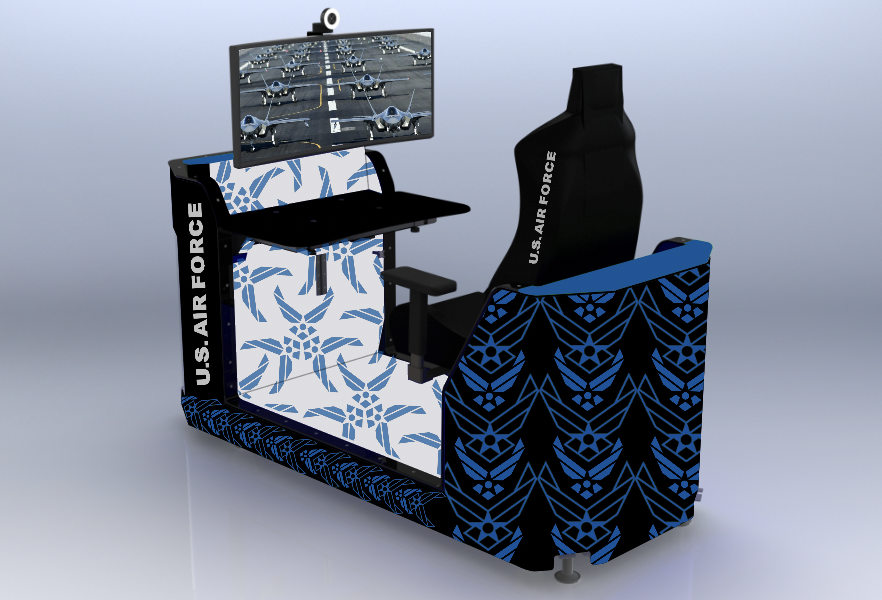
The same hardware used for elite esports: like the Thrustmaster T-GT II or the TS-XW Racer: is the gateway to training pilots, remote operators, and systems engineers. When a Fortune 5000 company sponsors an EsportsPod in a high school, they aren't just "giving kids a place to play." They are providing a professional-grade workstation that facilitates:
- Spatial Awareness & Reflex Training: Vital for logistics and remote operations.
- Systems Engineering: Managing the complex interplay of software, high-end peripherals (like the Formula Wheel Add-On Ferrari SF1000 Edition), and network stability.
- Data Literacy: Analyzing performance metrics to shave milliseconds off a lap time or improve a team's strategy.

Aligning with CTE (Career and Technical Education)
One of the most effective ways to embed your brand into the talent funnel is by partnering with local school boards to align with CTE programs. Instead of these pods being an elective "club" activity, they become the laboratory for credit-bearing courses.
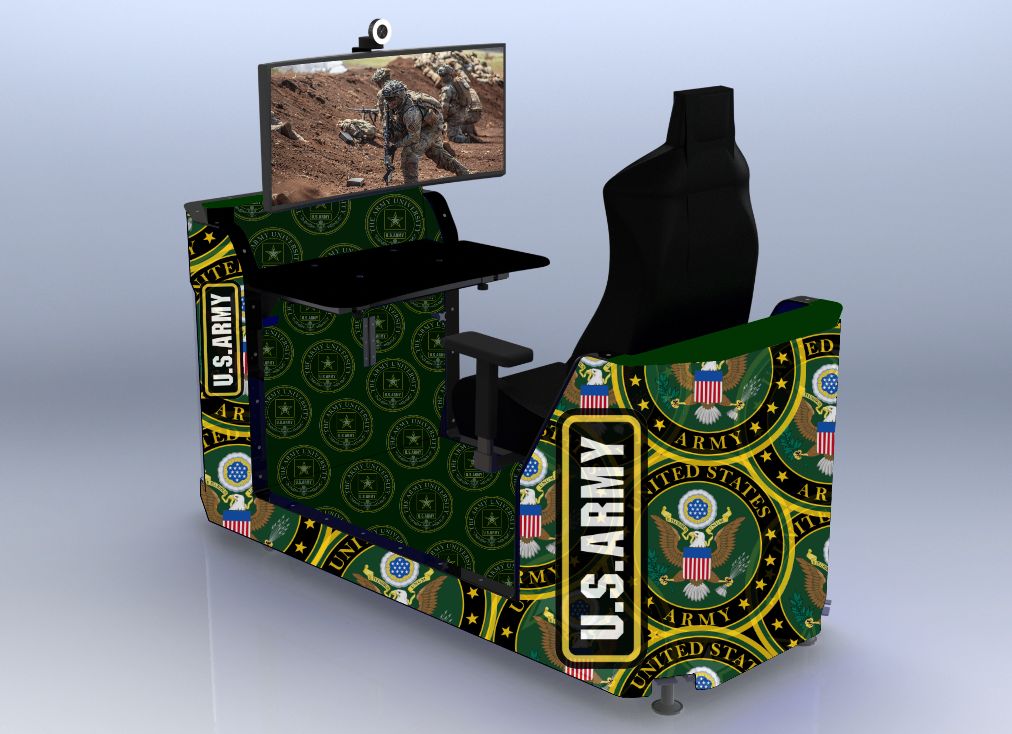
By providing the hardware: the servo bases, the displays, and the branded environments: your company becomes the primary benefactor of the student's technical education. You aren't just a logo on a wall; you are the provider of the tools they use to succeed every single day.
Implementing Micro-Internships and Job Shadowing
The Gen Z and Gen Alpha workforce values early corporate exposure. However, a full-summer internship for a 17-year-old can be a logistical nightmare for HR.
The alternative? Micro-internships.
Use your high school partnerships to identify the top 5% of performers in the simulation programs. Invite them for 48-hour "sprints" or remote mentorship sessions where they shadow your technical leads. This low-stakes, high-reward model allows you to "test drive" talent years before the competition even knows they exist.
The Branding Opportunity: Direct Space for Your Brand
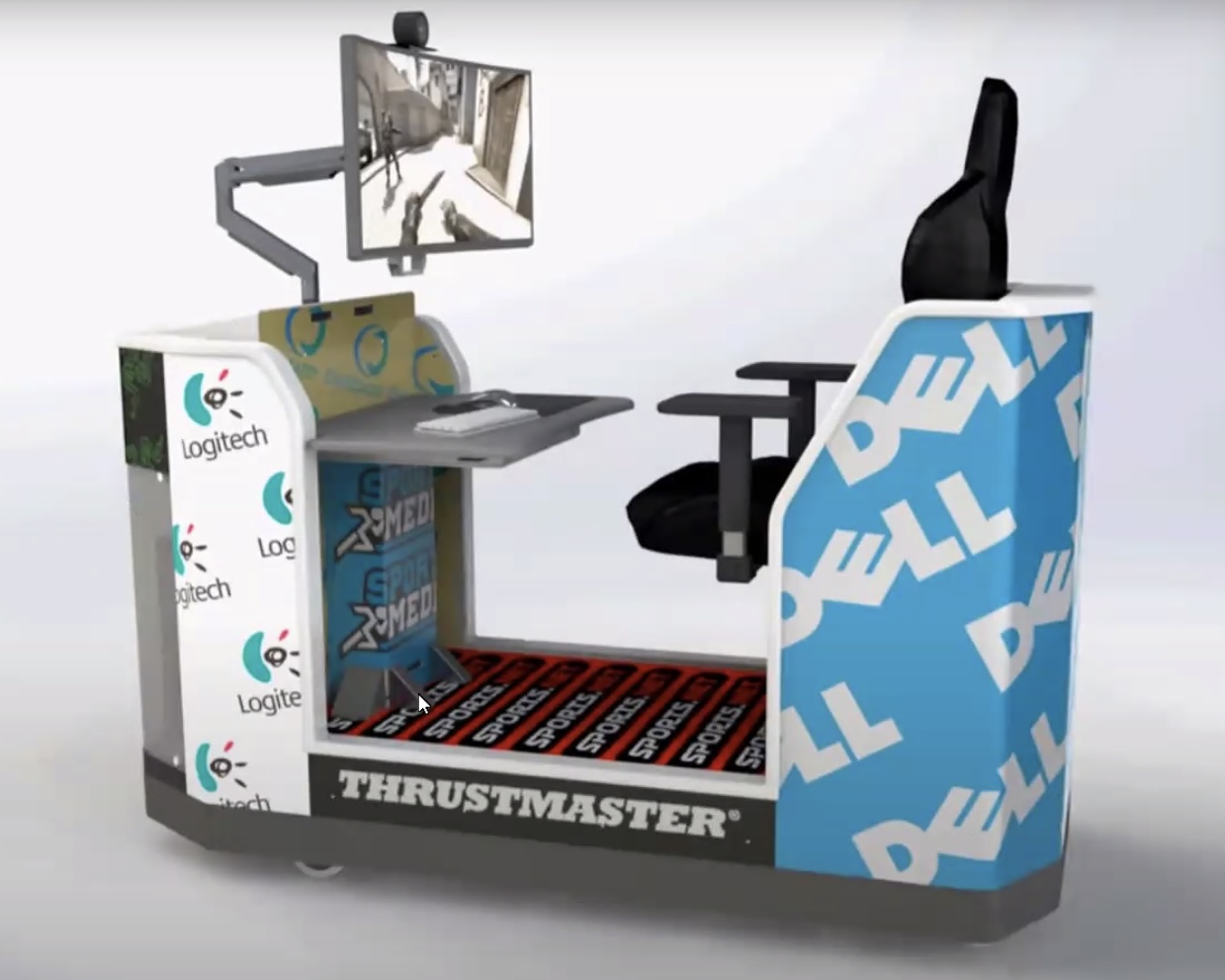
In an era where digital advertising is increasingly fragmented and ignored, physical brand presence in an educational environment is gold. An EsportsPod isn't just a piece of furniture; it is a high-visibility media asset.
When a student sits in a pod branded with your corporate identity, equipped with a T300RS GT Edition and your logo on the side panels, you are building subconscious brand loyalty. You are positioning your company as a facilitator of their passion and their future career. This is exclusive media rights in the most literal sense: direct, daily interaction with your future workforce.
Immediate Executive Actions
If you want to secure your talent pipeline for the next decade, you need to act now. Here is your 90-day roadmap:
- Conduct a Talent Gap Audit: Identify which technical roles are the hardest to fill and which skills will be required by 2030.
- Identify "Adopt-a-School" Partners: Look for high schools with existing STEM or CTE programs within a 50-mile radius of your major hubs.
- Pilot an EsportsPod Installation: Start small. Install a branded simulation station (check out our product range here) and track student engagement and skill progression.
- Connect with HR and Recruitment: Ensure your talent acquisition team has a mechanism to track these high school "alumni" as they move into higher education or certification programs.
The Bottom Line
The battle for talent is no longer fought in the boardroom or on LinkedIn. It’s fought in the high school computer labs and simulation centers where the next generation of engineers, analysts, and leaders are discovering what they’re capable of.
Building a tech-ready talent funnel isn't just about being a good "corporate citizen." It’s about ensuring that when you need to scale your AI initiatives or your cloud infrastructure in 2028 and beyond, you have a line of certified, highly-skilled candidates who have been training on your brand’s equipment since they were fifteen.
Are you ready to revolutionize your recruitment strategy? The future of your workforce is already in high school. It’s time you met them there.
Maximize your exposure and secure your future. Explore the EsportsPod solutions today and start building your talent funnel.