

Listen, the "talent war" isn't a war anymore: it’s a race. And if you’re waiting until college graduation to start recruiting your next wave of engineers, data scientists, or marketing leads, you’ve already lost the lead.
In 2026, the most successful Fortune 5000 companies aren't just looking for talent; they are building it. They are moving upstream, reaching Gen Z exactly where they spend their time: in the high school classroom and the digital arena. Building a "Talent Funnel" is no longer an HR buzzword; it’s a strategic imperative for securing long-term ROI and ensuring your company remains innovative in an increasingly tech-heavy landscape.
At EsportsPod, we’ve seen firsthand how high school esports programs serve as the ultimate Trojan Horse for workforce development. This isn’t just about video games; it’s about identifying the most technically literate, collaborative, and strategically-minded generation in history.
Here is your five-step executive guide to building a Gen Z talent funnel that delivers measurable results.
Step 1: Audit Your Current Pipeline (and Admit Where It’s Leaking)
Before you invest a single dollar into a new recruitment strategy, you need to understand the "leakage" in your current model. Most executive teams find that their recruitment ROI is suffering because they are operating in a reactive state.
Are you spending hundreds of thousands of dollars on headhunters for entry-level technical roles? Are you struggling with high turnover in the first 18 months of employment? These are symptoms of a "leaky" pipeline.
Key Actions for Executives:
- Map your 5-year technical needs: Identify the roles that will be hardest to fill by 2030 (AI maintenance, cloud infrastructure, cybersecurity).
- Analyze Candidate Acquisition Cost (CAC): Compare what you spend on traditional college recruiting versus the potential of a long-term early-career program.
- Identify the "Degree Gap": Ask your HR leads how many brilliant candidates are being filtered out simply because they don't have a specific credential, despite having the technical skills.
By auditing your pipeline now, you can pivot toward a strategy that prioritizes high school esports sponsorship as a way to build brand affinity before the competition even knows these students exist.
Step 2: Establish Strategic High School Partnerships via "Infrastructure"
You cannot reach Gen Z with a billboard or a generic social media ad. They value authenticity and utility. To build a talent funnel, your brand needs to provide tangible value to their educational environment.
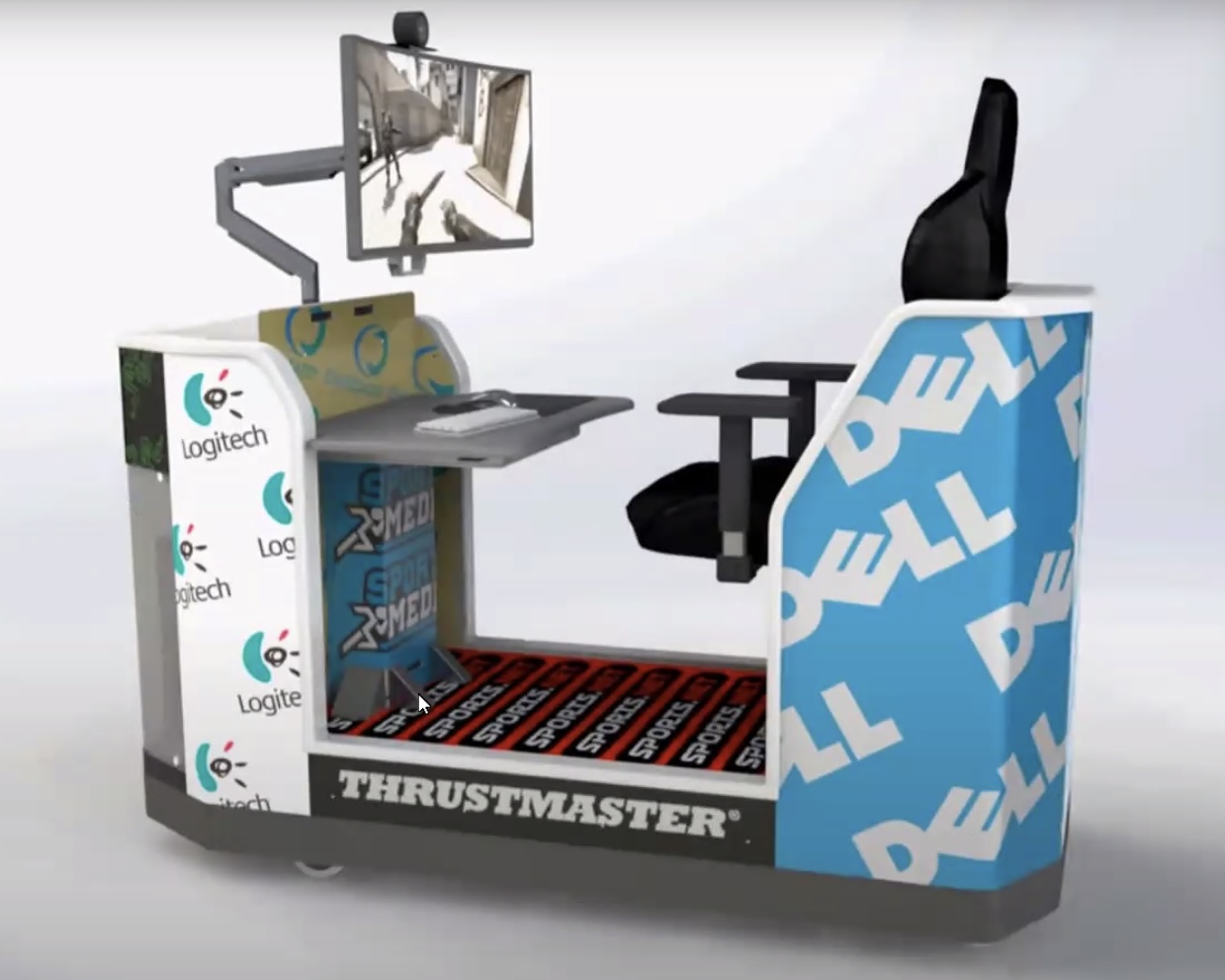
This is where the concept of the "EsportsPod" becomes transformative. By placing branded, high-tech simulation pods directly in high schools, you aren't just "advertising": you are providing the infrastructure for learning. Whether it’s a flight simulator for an aerospace firm or a high-end coding station for a software giant, you are putting your brand at the center of their career discovery.
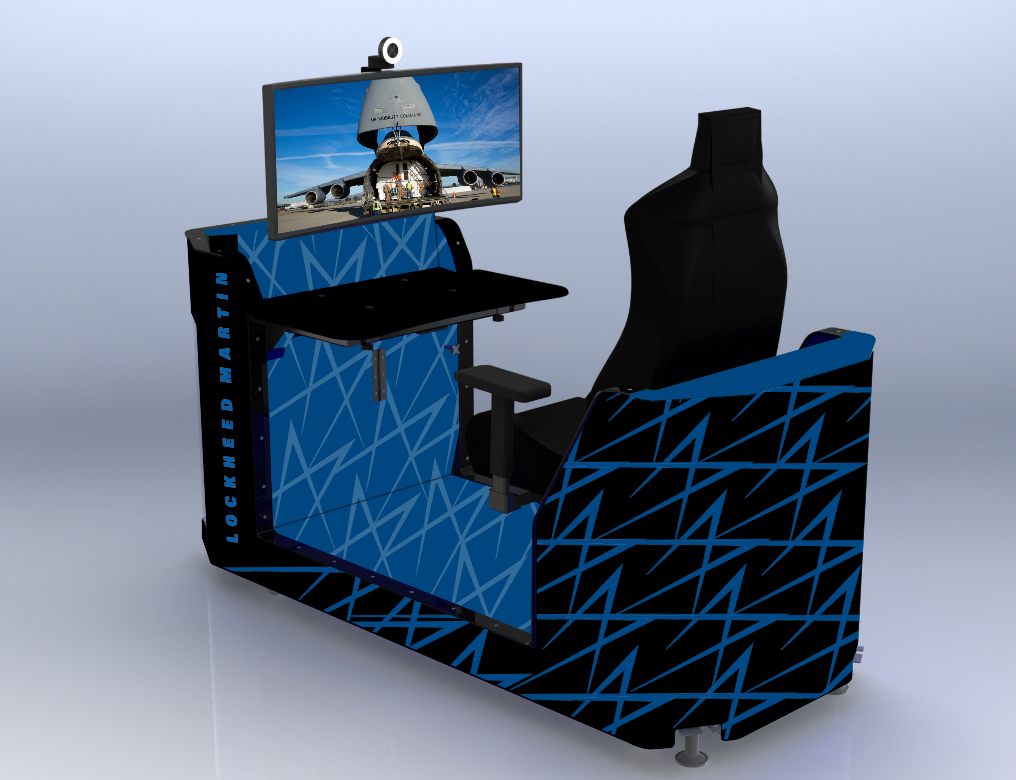
Why Infrastructure Wins:
- Presence: You are in the classroom every single day.
- Utility: You are solving a problem for the school district by providing tech they couldn't otherwise afford.
- Scalability: With our ability to reach 39% of US school districts, your talent funnel can scale nationally almost overnight.
Step 3: Prioritize Skills and Logic Over Traditional Credentials
Gen Z is the most self-taught generation in history. They learn Python on YouTube, master complex logistics in strategy games, and understand digital ecosystem management through their hobbies.
If your talent funnel is still gated by "4-year degree required," you are missing out on the top 10% of technical talent. A high schooler who can manage a 50-person esports team, optimize their PC's hardware, and broadcast a live stream with zero lag has more practical technical logic than many college graduates.
How to Implement Skills-Based Tracking:
- Simulation Data: Use the simulation pods to track student performance in specific technical tasks.
- Gamified Assessments: Replace the standard "cover letter" with technical challenges that measure problem-solving speed and collaboration.
- Portfolio Reviews: Look at what they’ve built (GitHub, creative mods, digital designs) rather than just where they went to school.
Companies that struggle to fill tech roles are finding that starting this identification process in the 9th grade allows them to "mold" the talent to their specific tech stack over four years.
Step 4: Develop Specialized Micro-Internships and Mentorships
Once you’ve identified high-potential students through your school-based pods, you need to "warm" the lead. You don't wait four years to talk to them again. You bring them into the fold through micro-internships: short-term, project-based engagements that de-risk the hiring process.

The ROI of the "Early Touch":
- Low Risk: A two-week summer project costs a fraction of a full internship but provides equal data on the student's capability.
- Mentorship: Pairing high school students with your current junior employees builds leadership skills in your existing workforce while inspiring the next generation.
- Brand Loyalty: When a student sees your logo every day on their EsportsPod station, and then gets a personal shout-out from one of your engineers, they aren't just a "lead": they are a future brand evangelist.
This creates a sense of community and belonging. If your brand treats these students like the Fanz® of your corporate culture from day one, their loyalty will be unshakable when they enter the full-time job market.
Step 5: Implement Data-Driven Tracking for Long-term ROI
The final step is the one most executives miss: measuring the funnel. A talent pipeline is only as good as the data behind it. You need to know exactly how many students interacted with your pod, how many completed a technical module, and how many are moving toward your preferred degree or certification paths.
Metrics that Matter:
- Engagement Rate: How many hours are students spending in your branded environment?
- Skill Progression: Are students showing improvement in the logic-based simulations you’ve provided?
- Conversion Rate: What percentage of students from your partner schools apply for your scholarships or early-entry programs?
The Long-Term ROI Summary
| Phase | Investment Focus | ROI Metric |
|---|---|---|
| Year 1 | Pod placement & Brand awareness | Cost per Impression (CPM) & Student engagement |
| Year 2-3 | Skill identification & Micro-internships | Pipeline depth & Pre-qualified candidate count |
| Year 4+ | Full-time recruitment | Reduced cost-per-hire & Increased retention |
By following this 5-step guide, you aren't just checking a CSR box; you are building a proprietary engine for human capital. You are solving your recruitment problem before it even starts.
Conclusion: The First-Mover Advantage
The high school esports market is currently where social media marketing was in 2008: vastly undervalued and wide open. Fortune 5000 executives who recognize that "gaming" is actually a training ground for the digital economy will be the ones who secure the best talent at the lowest cost.
Are you ready to move upstream? The pods are ready. The students are ready. The only question is: will your brand be the one they remember when they sign their first employment contract?
Don't let your competitors own the classroom. Let’s build your talent funnel together. For a deeper dive into the mechanics of these partnerships, check out our Fortune 5000 Executive’s Guide to ROI.