
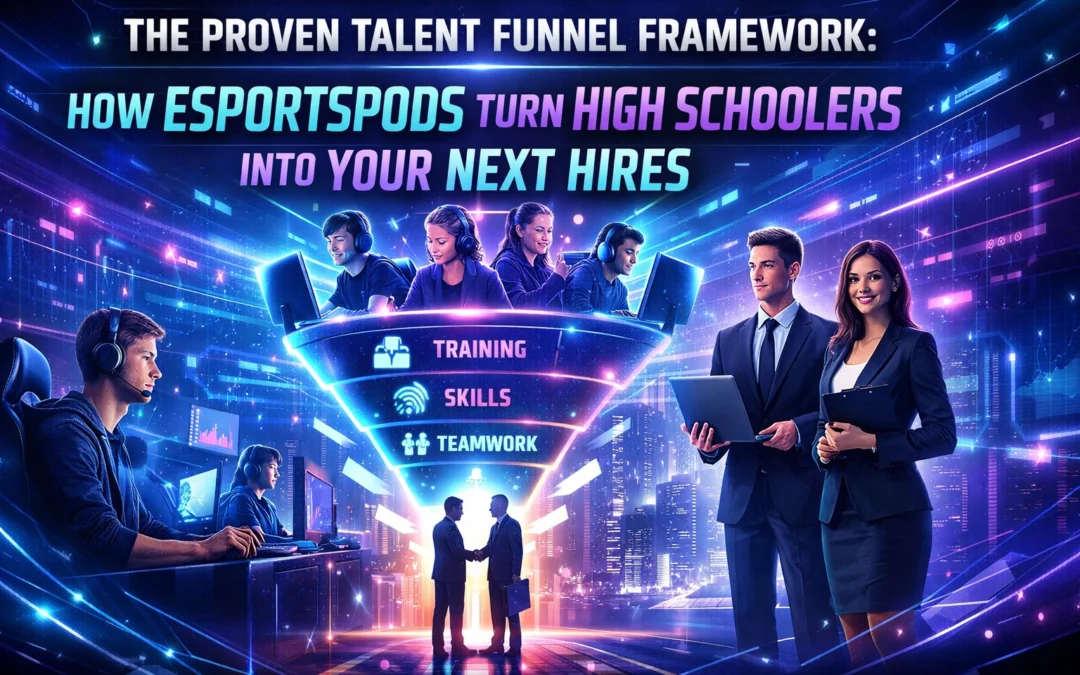
Your recruiting team is fighting a losing battle. They're posting job openings for machine learning engineers, cloud architects, and data analysts: only to compete with hundreds of other companies for the same tiny pool of college graduates. By the time candidates cross that graduation stage, their skills are already outdated, and they've been courted by every tech giant with a pulse.
What if you could identify your next technical hire five years before they even apply?
That's not futuristic thinking. It's happening right now in high schools across the country: and the organizations that understand this shift are building talent pipelines their competitors can't touch.
The Traditional Recruiting Crisis No One Talks About
Here's the uncomfortable truth: traditional recruiting is fundamentally broken for technical roles. You're arriving at the finish line of a race you never entered, fighting over graduates who've already been shaped by outdated curriculum, influenced by competitor brands, and approached by dozens of other organizations.
The most innovative technical minds aren't being discovered at career fairs. They're self-teaching Python in their bedroom at age 15. They're building AI projects as high school sophomores. They're solving complex problems years before they touch a college campus.
By waiting until graduation, you're missing the entire cultivation period where talent is actually formed.
The data backs this up. Organizations that establish high school partnerships report identifying technical capabilities an average of five years earlier than traditional recruiting timelines. That's five years of development, mentorship, and brand alignment you're leaving on the table.

Introducing the Talent Funnel Framework
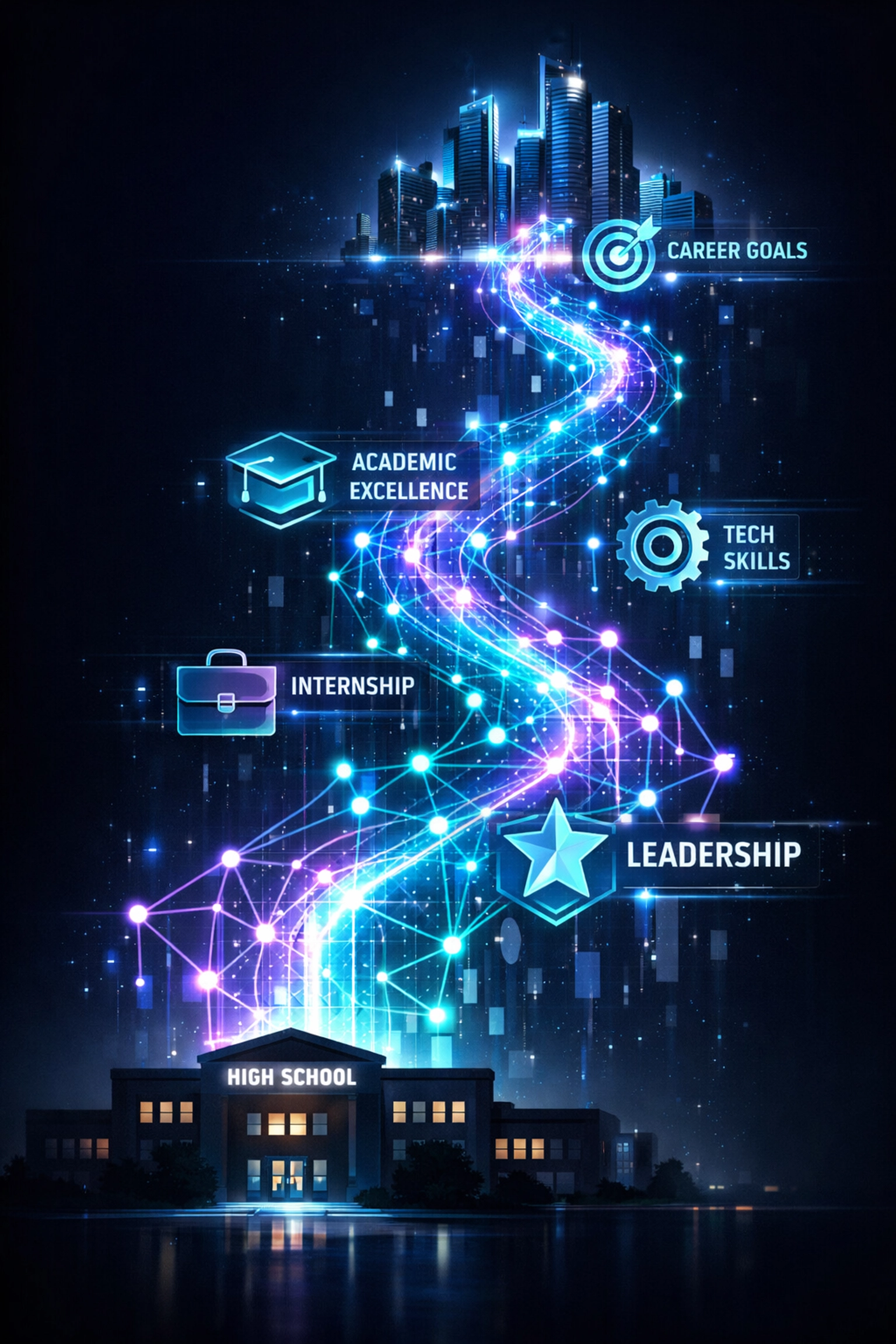
The Talent Funnel Framework represents a fundamental shift in how Fortune 5000 companies approach workforce development. Instead of competing at the endpoint, you're creating the pipeline itself: starting in high school, building through multi-year engagement, and culminating in ready-to-hire technical talent that already knows your brand, understands your culture, and possesses relevant, current skills.
This isn't about internships or campus recruiting 2.0. This is about infrastructure-based talent development that gives you early access, extended evaluation periods, and the ability to shape technical capabilities before competitors even know these students exist.
The framework operates on three core pillars:
1. Early Identification and Multi-Year Development
Rather than waiting until college graduation, the framework positions your organization to engage with developing talent during their high school years. A student demonstrating abilities in data analytics as a sophomore represents a five-year cultivation opportunity: not a six-month recruiting sprint.
This extended timeline provides unprecedented advantages:
- Observable skill development over multiple years, not just a resume review
- Opportunities to provide meaningful projects that build both capability and loyalty
- Brand exposure during formative career-planning years
- Reduced competition from organizations still using traditional recruiting models
2. Skills-Based Assessment Over Credentials
The framework emphasizes evaluating what students can actually build and solve through project-based challenges, rather than relying on transcripts or standardized test scores. This approach identifies talented students who may not excel in traditional academic environments but possess exceptional technical capabilities.
Think about it: a high schooler who built a machine learning model to predict local weather patterns demonstrates more relevant capability than a college graduate who took a single ML course. The framework captures this talent before traditional recruiting even recognizes it exists.
3. Structured Learning Pathways
Effective programs establish multi-year progressions: freshmen beginning with data literacy and programming fundamentals, advancing to cloud architecture as sophomores, and reaching machine learning applications by senior year. This creates visible milestones, maintains engagement, and allows your organization to assess development over time.
These pathways aren't theoretical. They're being deployed right now through physical infrastructure that brings everything together.
The EsportsPod Advantage: Infrastructure That Makes It Real
Here's where most "high school partnership programs" fall apart: they lack physical infrastructure. They're speaker series, summer programs, and one-off events that create no lasting presence and build no sustained engagement.
EsportsPods change that equation entirely.
These brand-powered esports and cloud learning labs provide the physical infrastructure that makes the Talent Funnel Framework operational. Each pod becomes a tangible connection point between your organization and developing talent: a space where students engage with your brand daily, not annually.
What makes this infrastructure revolutionary:
- Daily Brand Exposure: Your brand becomes part of students' daily experience, not a distant corporate entity they'll meet at a job fair four years later
- Skill Development Through Engagement: Students build technical capabilities using the same cloud platforms, collaboration tools, and analytical frameworks your organization uses
- Measurable Interaction Data: Track student engagement, skill development, and project completion in real-time: identifying top talent years before they enter the job market
- Multi-Year Relationship Building: From freshman year through graduation, you're not just recruiting: you're developing and evaluating
This isn't about slapping your logo on a classroom. This is about creating branded learning environments where tomorrow's technical talent develops today's relevant skills while building organic affinity for your organization.

Implementation Strategy: How Smart Organizations Deploy This Framework
The organizations seeing real results aren't attempting immediate scale. They're following a proven deployment strategy that maximizes learning while minimizing risk.
Phase 1: Pilot Program Development (Months 1-6)
Start with 2-3 select high schools in key talent markets. Establish EsportsPod infrastructure, define technical skill pathways aligned with your workforce needs, and create measurement frameworks tracking student participation, skill development, and engagement metrics.
Phase 2: Validation and Refinement (Months 7-12)
Identify high-performing students for paid internship opportunities. Gather data on skill development timelines and conversion rates. Refine curriculum and project challenges based on what's working. Document ROI including cost-per-quality-candidate compared to traditional recruiting.
Phase 3: Strategic Expansion (Year 2+)
Scale to additional high schools based on validated ROI. Develop dedicated program leadership separate from traditional recruiting functions. Create formalized pathways from high school engagement through internship to full-time hire.
The key insight: This framework requires dedicated program ownership. Organizations that bolt this onto existing campus recruiting teams see mediocre results. Those that treat it as a distinct talent development function: with its own leadership, budget, and success metrics: see transformational outcomes.
The Business Case: ROI That Demands Executive Attention
Let's talk numbers, because that's what drives boardroom decisions.
Traditional technical recruiting costs average $4,000-$8,000 per hire in direct expenses, with time-to-fill averaging 45+ days for specialized roles. That's before considering signing bonuses, relocation packages, and the risk of culture misfit.
Compare that to the Talent Funnel Framework economics:
- Five-year cultivation period provides extended evaluation, dramatically reducing mis-hire risk
- Students in the pipeline already understand your culture, technology stack, and organizational values
- Direct conversion from proven internship performance to full-time hire eliminates traditional recruiting expenses
- Early brand engagement creates loyalty that reduces later-stage candidate competition
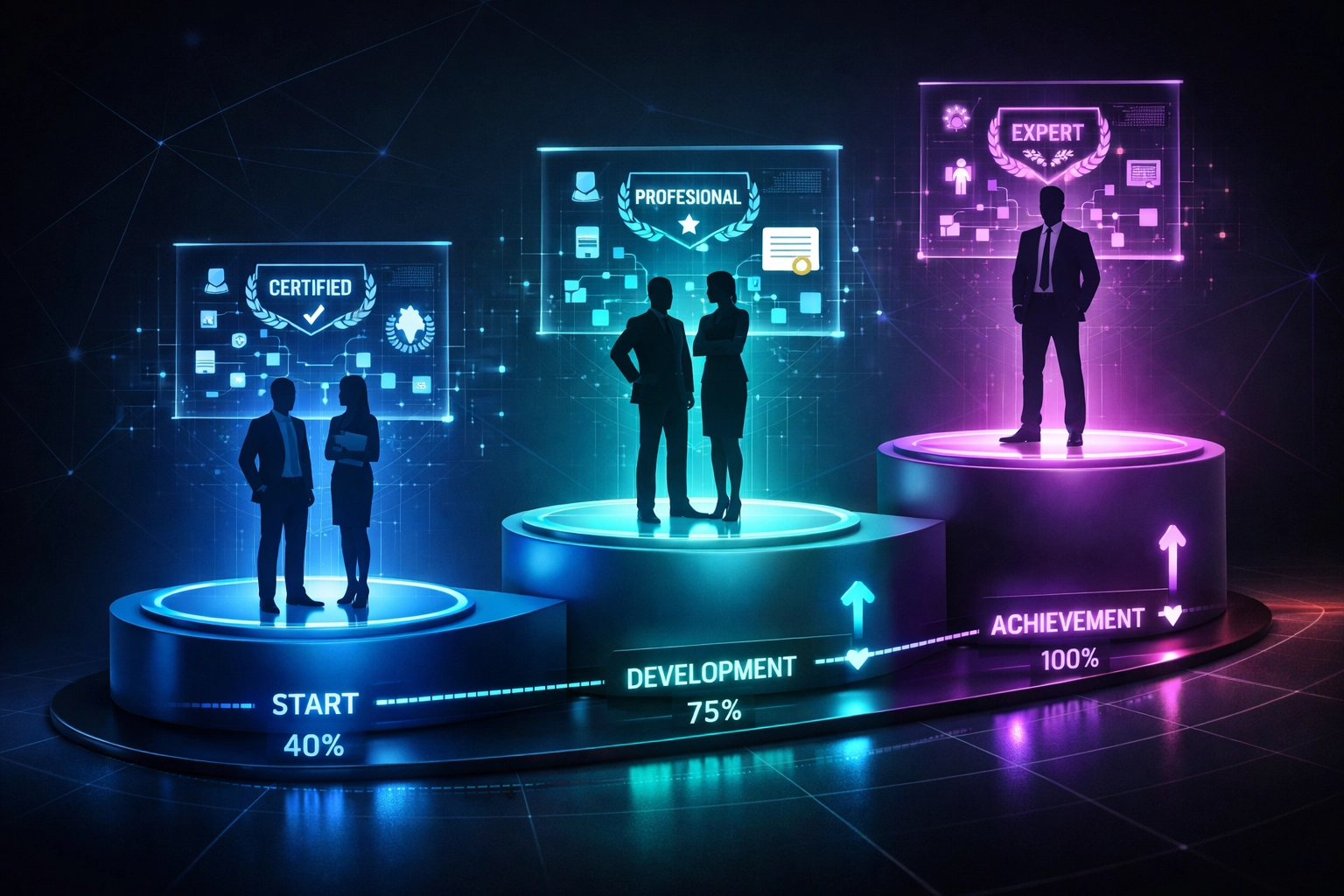
Organizations implementing infrastructure-based talent development report 60-70% conversion rates from intern to full-time hire, compared to 25-35% through traditional campus recruiting. More importantly, those hires demonstrate higher retention rates and faster productivity ramps because they've been developing relevant skills for years, not weeks.
The real ROI extends beyond hiring metrics. You're creating a sustainable competitive advantage in talent acquisition: a pipeline your competitors literally cannot replicate overnight because it requires multi-year cultivation.
Why This Matters Right Now
Here's the urgency factor: the organizations building these talent funnels today are creating insurmountable advantages over those who wait. Every semester that passes without infrastructure in high schools is another cohort of technical talent developed by someone else, for someone else.
The most innovative minds of Gen Z aren't waiting for college to develop technical capabilities. They're self-teaching, building projects, and forming brand affinities right now. The question isn't whether to engage with this talent pool: it's whether you'll engage early enough to matter.
The window for first-mover advantage is closing. As more Fortune 5000 companies recognize the power of infrastructure-based talent development, the competition for high school partnerships will intensify. The schools with the strongest technical programs will have their pick of corporate partners.

Building Your Talent Funnel: Next Steps
Implementing the Talent Funnel Framework requires more than conceptual buy-in: it demands strategic infrastructure investment and program ownership. The organizations seeing transformational results are those who commit to physical presence through branded learning environments, dedicate program leadership separate from traditional recruiting, and measure success in multi-year talent development outcomes, not quarterly hiring metrics.
The proven framework exists. The infrastructure solutions are operational. The only question remaining is whether your organization will lead this shift or watch competitors build talent pipelines you're locked out of.
Your next technical hire is in high school right now. Are they learning your brand's value, or someone else's?
Ready to explore how infrastructure-based talent development can transform your workforce pipeline? Visit esportspod.gg to discover how Fortune 5000 companies are turning high school partnerships into sustainable competitive advantages.