

Let's cut straight to it: the traditional esports lab: rows of desktop towers, tangled cables, and IT departments pulling their hair out over hardware maintenance: is rapidly becoming obsolete. And if you're a media buyer or creative director still thinking about esports advertising in terms of 2020's infrastructure, you're missing the most exciting opportunity in youth marketing today.
Welcome to the cloud-powered era of competitive gaming, where physical infrastructure meets cutting-edge virtualization, and where your brand can reach the next generation of talent in ways that were impossible just two years ago.
The Traditional Setup Problem Nobody Talks About
Here's what conventional esports programs have been dealing with: expensive gaming PCs that depreciate faster than you can say "graphics card shortage," constant hardware upgrades, security vulnerabilities, and a maintenance burden that drains educational budgets dry.
For schools trying to launch esports programs, the math never quite worked. A single competitive gaming setup could run $2,000-$3,000, multiply that by 20 stations, and you're looking at a $60,000 investment that's outdated within 18 months. The cooling requirements alone could stress a school's HVAC system, and don't even get started on the bandwidth demands of 20 simultaneous game downloads.
This infrastructure nightmare kept esports programs limited to well-funded schools, creating an accessibility gap that contradicted everything esports is supposed to represent: a meritocracy where talent matters more than resources.
The Cloud Infrastructure Revolution
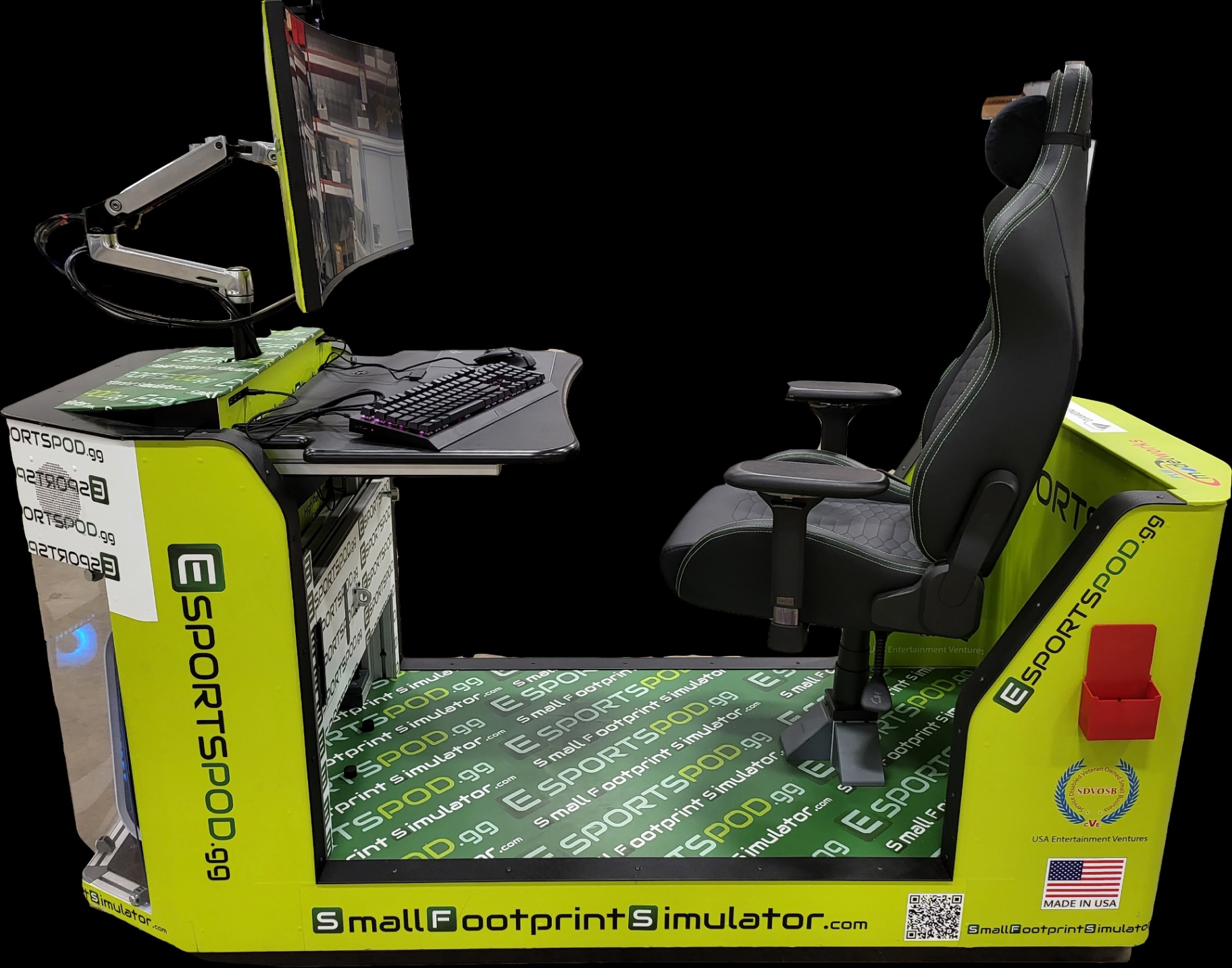
Enter cloud-based gaming infrastructure. We're not talking about consumer cloud gaming services: we're talking about enterprise-grade, low-latency virtualization that delivers competitive gaming experiences through centrally managed cloud instances.
Here's how it transforms the equation:
Instant Scalability: Schools can spin up gaming instances on-demand, paying only for what they use. Need to run a tournament with 50 participants? Scale up for the day, then scale back down.
Zero Maintenance Overhead: Hardware updates, security patches, driver installations: all handled at the cloud level. IT staff can focus on education instead of troubleshooting why a GPU driver crashed during a championship match.
Universal Access: Students can practice from home, from a library, or from any connected device. Cloud infrastructure democratizes access in ways physical hardware never could.
AI-Powered Performance Analytics: Cloud platforms can integrate machine learning algorithms that analyze player performance, providing real-time coaching insights and skill development metrics that would be impossible with standalone systems.
But here's the critical piece media buyers need to understand: cloud infrastructure requires physical access points. And that's where the advertising opportunity gets genuinely revolutionary.
Physical Infrastructure Still Matters: Here's Why That's Your Opportunity
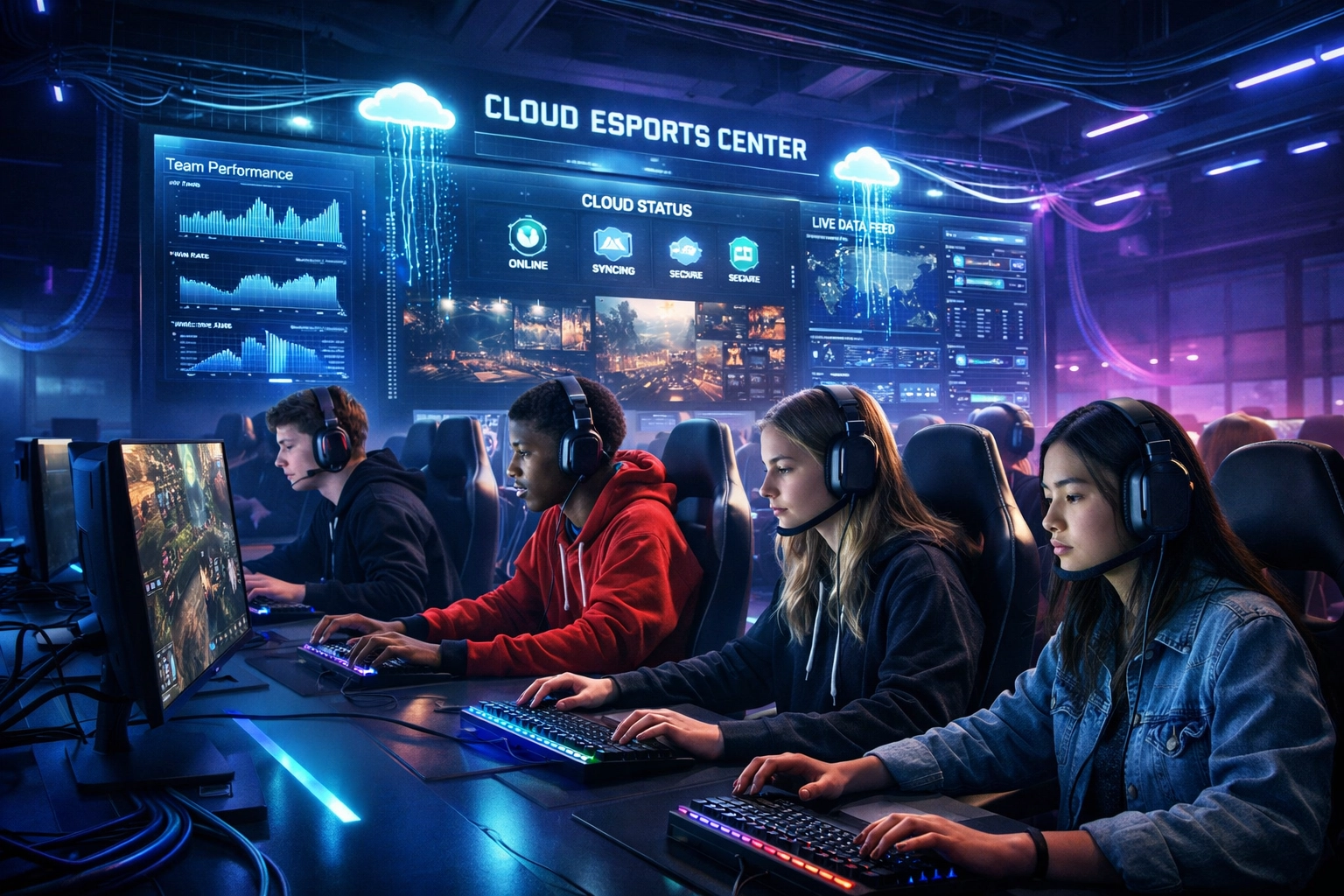
Cloud computing doesn't eliminate the need for physical touchpoints; it reimagines them. Students still need quality peripherals, ergonomic seating, monitors, and an immersive environment that signals "this is serious, competitive space."
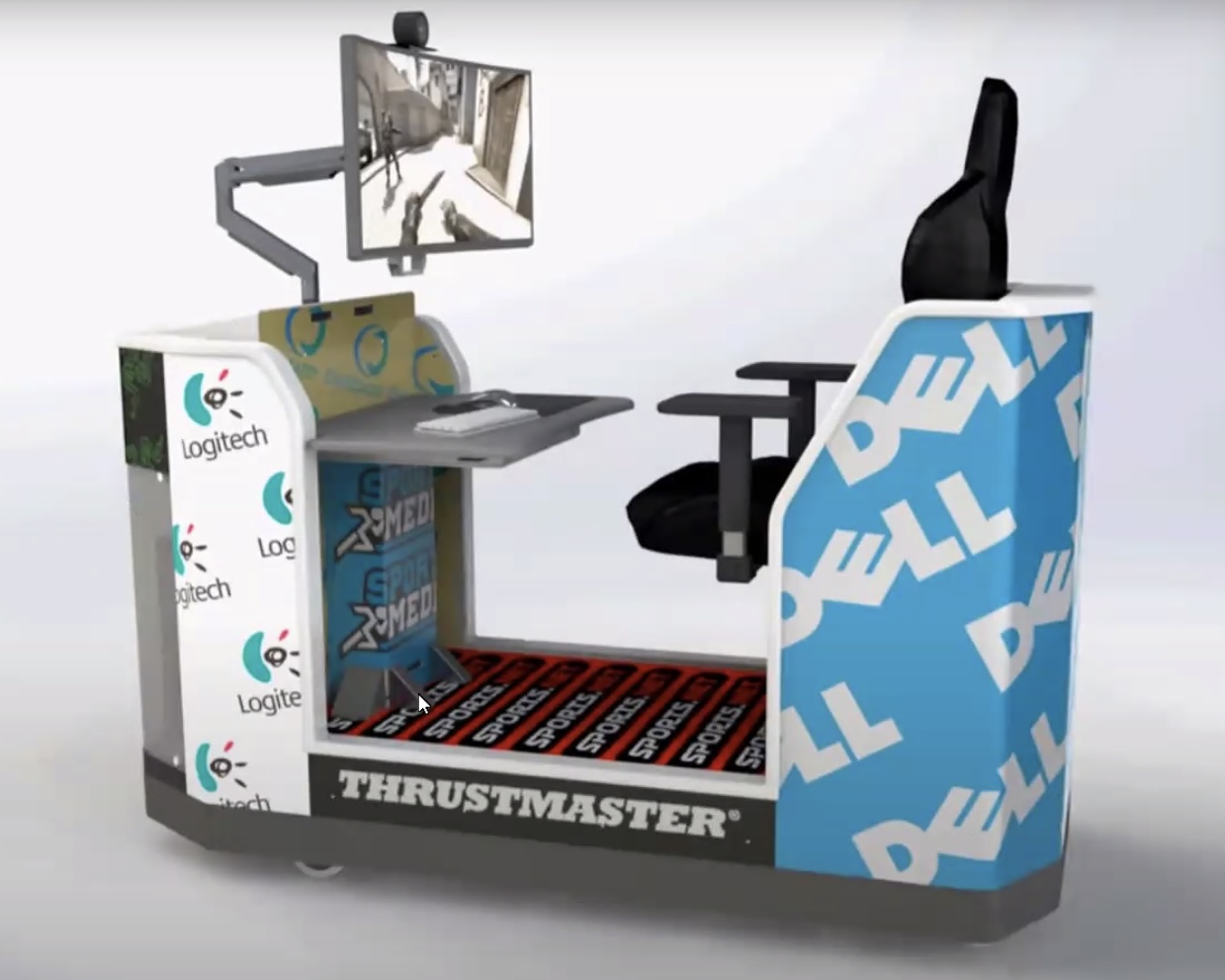
EsportsPod's physical infrastructure solves this by creating modular, branded gaming stations that serve as the perfect intersection of cloud capability and tangible brand presence. Each pod becomes a physical billboard for your brand while providing students with professional-grade competitive environments.
Consider these pods as the modern equivalent of stadium naming rights, but with three significant advantages:
- Direct daily interaction: Students spend hours in these spaces, creating repeated brand exposure that stadium signage could never match
- Demographic precision: You're reaching Gen Z and Gen Alpha exactly where they're most engaged, during their competitive gaming sessions
- Educational credibility: Your brand isn't just selling; it's enabling education, building goodwill that translates to long-term brand loyalty
The pods themselves can host cloud-based systems, thin clients, or hybrid configurations, depending on the school's infrastructure and connectivity. This flexibility means deployment timelines measure in weeks, not months.
Cloud/AI Literacy: The Skill Set You're Actually Advertising To
Here's the insight most brands miss: student athletes using cloud-based esports infrastructure aren't just playing games. They're developing crucial cloud computing literacy that Fortune 5000 companies desperately need in their future workforce.
Understanding how cloud instances work, recognizing latency issues, troubleshooting connectivity problems, and optimizing performance in virtualized environments: these are career-ready skills hiding inside what looks like gaming time.
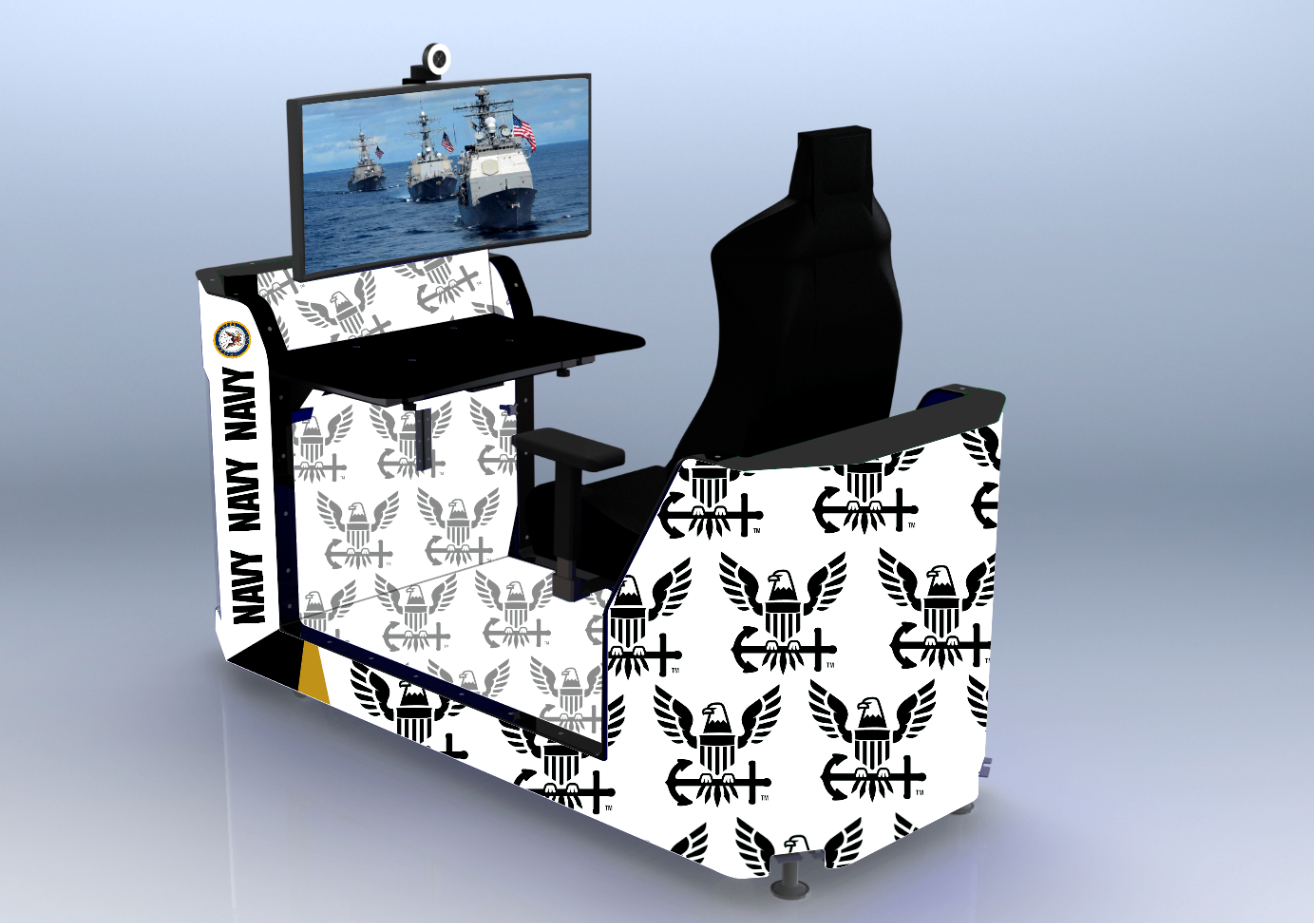
When your brand sponsors these programs, you're not just reaching gamers. You're connecting with future cloud engineers, AI developers, and IT professionals while they're still forming their brand preferences. The military branches already understand this, which is why custom-branded simulation pods featuring Air Force, Navy, Marines, and Coast Guard themes are becoming recruiting tools disguised as esports infrastructure.
For civilian brands, the opportunity is equally compelling. Technology companies, telecommunications providers, financial services firms, and even retail brands can position themselves as enablers of this educational transformation.
The Data Advantage: What Cloud Infrastructure Reveals
Traditional esports setups captured very little actionable data. You knew students played, maybe tracked win rates, but that's about it.
Cloud-based infrastructure changes everything. With proper anonymization and consent protocols, these systems can provide:
- Skill progression analytics
- Team collaboration metrics
- Peak performance times
- Technology adoption rates
- Engagement duration and frequency
- Cross-platform usage patterns
For media buyers, this represents a goldmine of behavioral insights, delivered in an educational context where data collection feels like skill development rather than surveillance. The key is maintaining ethical standards while leveraging this intelligence to create more relevant, timely campaigns.
Why February 2026 Is Your Entry Point
We're at an inflection point. Schools are finalizing budgets for the next academic year, cloud infrastructure costs have reached educational affordability, and student demand for esports programs continues accelerating.
Traditional esports setups aren't completely dead: legacy programs will maintain them for a while: but new deployments are overwhelmingly choosing cloud-based solutions. The schools making this transition now will define the infrastructure standard for the next decade.
As a media buyer or creative director, your opportunity is to partner with programs during this transition period. Early brand integration into these physical-cloud hybrid environments means your messaging becomes part of the infrastructure itself, not just an ad placed on top of it.
The companies sponsoring EsportsPod installations today are securing exclusive category presence in hundreds of schools, reaching millions of student impressions annually, and positioning themselves as education champions in communities that remember brand loyalty.
The Bottom Line for Media Buyers
Cloud infrastructure isn't replacing traditional esports setups because it's cheaper (though it often is). It's replacing them because it's better: more flexible, more accessible, more educational, and more aligned with where the workforce is heading.
Your brand's decision isn't whether to advertise in esports spaces. That ship sailed years ago. The decision is whether you'll be part of the old model: banner ads at tournaments, jersey sponsorships, and social media promotions: or whether you'll integrate into the infrastructure that's literally powering the next generation of student athletes.
Physical pods with cloud-based systems represent the convergence point: tangible brand presence meeting cutting-edge technology, educational value meeting entertainment, and local community impact meeting national scale.
The traditional esports setup isn't dead yet, but you can see it from here. The question for your brand is simple: will you be remembered as a company that advertised to gamers, or as one that built the infrastructure that developed them into professionals?
Learn more about how EsportsPod creates these advertising opportunities at esportspod.gg