Sim racing and flight sims went mainstream because affordable wheels, pedals and joysticks, better graphics, streaming and a wave of curious newcomers made realistic simulation easy to try and fun to watch. What was once a hobby for dedicated enthusiasts is now something a teenager can start with a single seat and a weekend.
Key takeaways
- Better and cheaper hardware lowered the barrier to entry.
- Streaming and online racing leagues gave simulation an audience.
- Real-world interest from drivers, pilots and fans pulled in newcomers.
- Schools use simulators as accessible, hands-on learning tools.
What is sim racing and what is a flight sim?
Sim racing is racing on a computer with realistic physics and proper controls, usually a wheel and pedals. A flight sim does the same for aircraft, using a stick or yoke, throttle and often rudder pedals.
Both aim to feel like the real thing rather than an arcade experience. You brake early, manage the throttle, read the track or the instruments and learn that gentle inputs beat frantic ones.
Why did these genres grow so much?
Several things arrived together, and none of them alone would have done it.
- Hardware: wheel and pedal sets became far more affordable than in the early days.
- Graphics and physics: big monitors and capable PCs made the experience convincing.
- Streaming and video: watching someone else race or fly became entertainment in itself.
- Online leagues: organized events gave casual players a competitive outlet.
The result was a genre that's friendly to beginners, since you can enjoy a single lap, and deep enough for experts to chase tenths of a second for years.
Why do people who aren't gamers get hooked?
Because the skill is familiar. Driving and flying are things people already understand, so the learning curve feels natural, and improvement is easy to see in lap times or smoother landings.
Plenty of players come from real-world motorsport or aviation, and plenty of others are curious about them. A simulator is a lower-cost, lower-risk way to scratch that itch. That broad appeal explains why simulation drew in adults, parents and students alike.
What does the hardware setup involve?
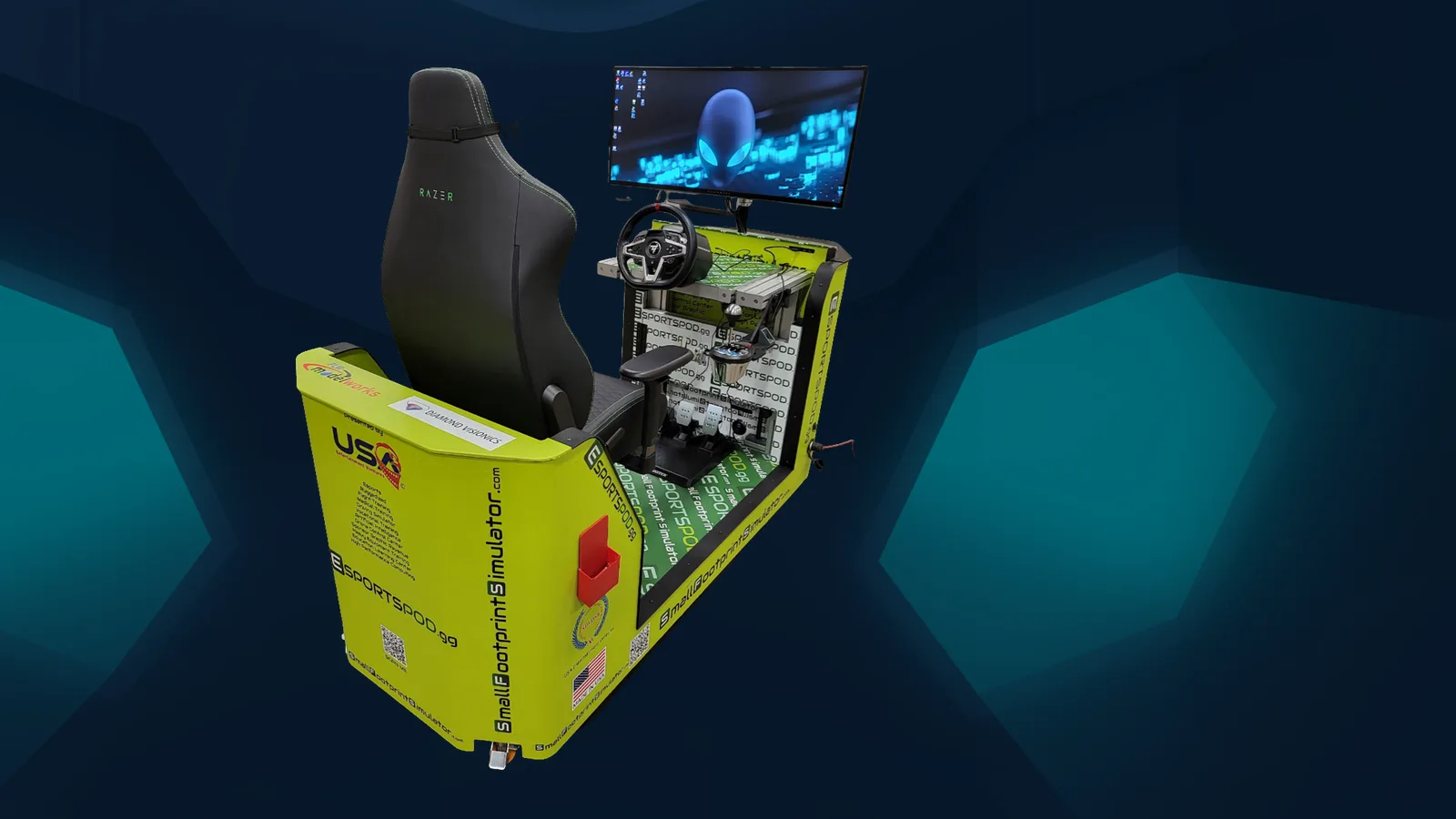
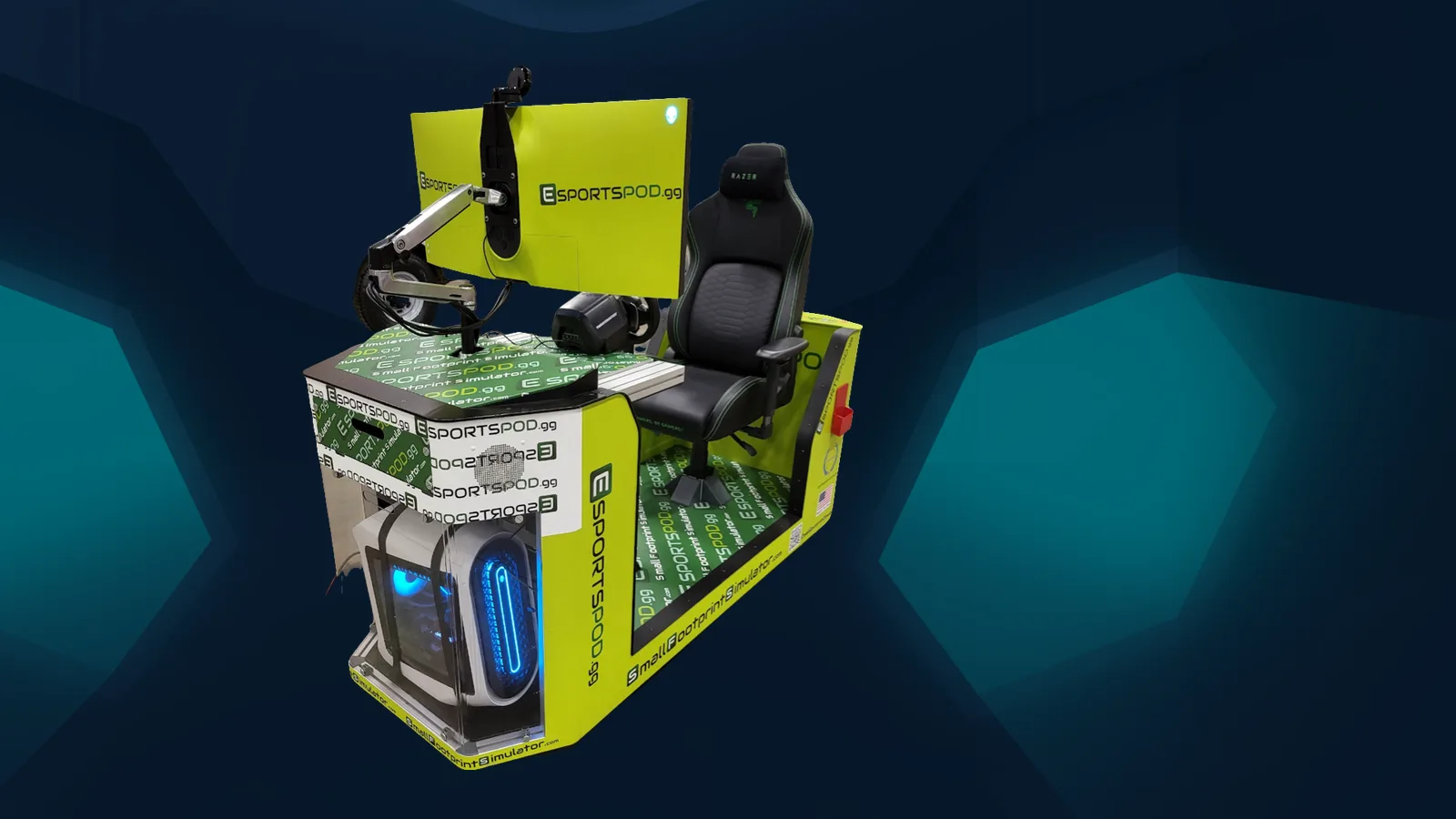
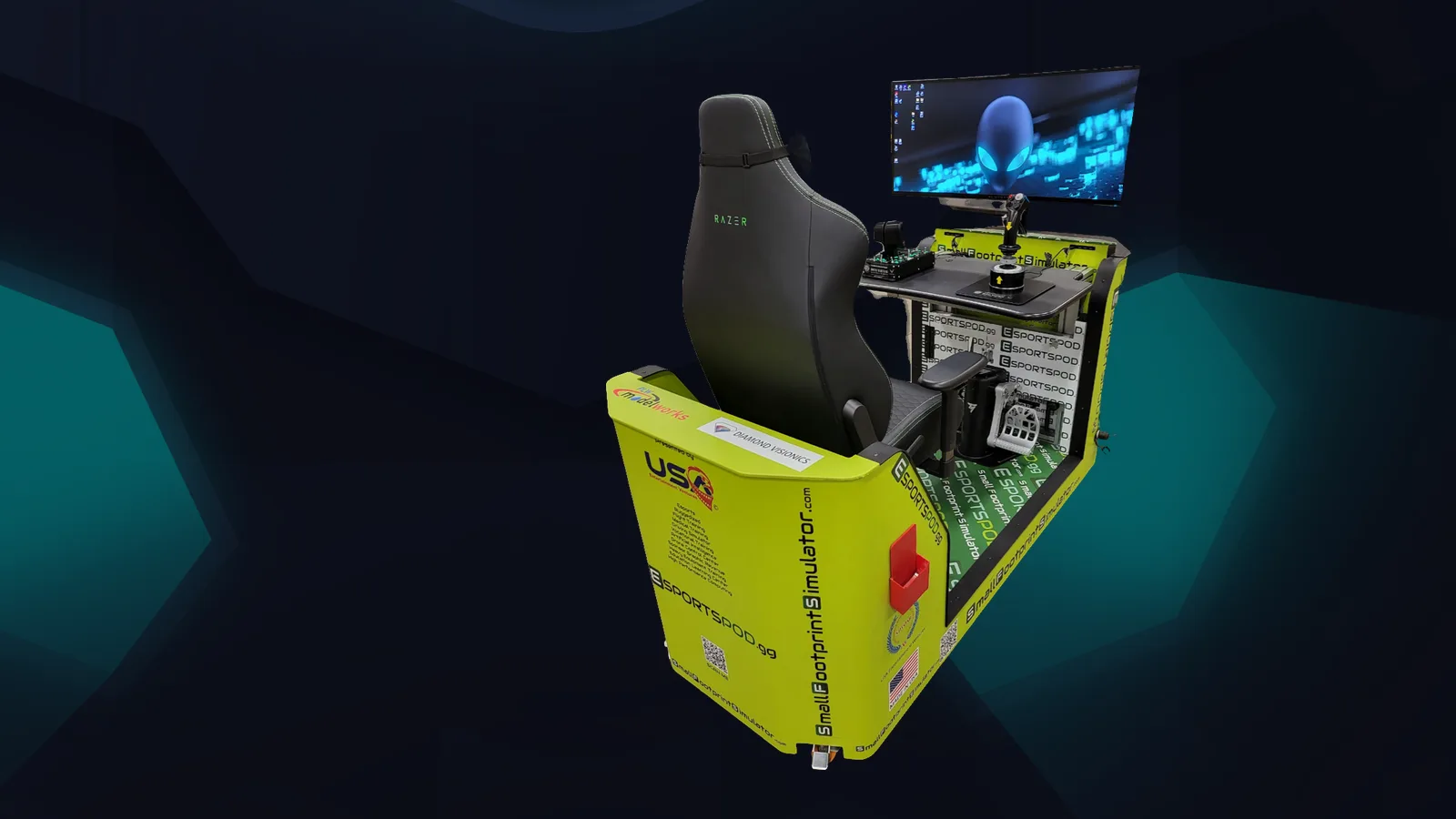
At minimum: a capable PC, a large display, a controller suited to the genre and a seat that holds you steady. Enthusiasts tweak endlessly, but the basics are simple.
- A wheel, pedals and optionally a shifter or handbrake for racing.
- A stick, throttle or yoke for flight.
- A wide or curved monitor, or VR for extra immersion.
- A stable seat and desk or frame.
All-in-one stations make it easier, since the pieces are matched and already installed. The Thrustmaster T248 is one example of a popular entry to mid-range wheel set. You'll find a broader view of how esports fits together on our global esports page.
How are schools using simulators?
Schools use simulators to engage students who may not connect with traditional esports. Racing and flight programs appeal to students interested in cars, aviation and engineering, and they draw in players who wouldn't touch a shooter.
They're also easy to explain to parents. Staff can frame sessions around reaction time, focus and technical skills, and tie them to CTE pathways. Simulation is an introduction, not a substitute for professional training, and instructors should say so.
The community around these games also deserves credit. Shared setups, track and route guides, league organizers and friendly forums made it easy for beginners to learn. Many newcomers started by watching a stream, then trying a lap or a landing, then buying their first wheel or joystick. That path from curiosity to hobby is a big part of the growth. Our blog covers more on how gaming formats evolve.
Looking ahead, expect more crossover. Simulators now draw from motorsport, aviation, education and entertainment, and each group brings its own expectations and enthusiasm. That mix keeps the genre interesting.
Frequently asked questions
Is sim racing a real sport?
Many people treat it as one. There are organized leagues and events, and drivers train and compete seriously. Whether you call it a sport or a competitive hobby, it requires practice, consistency and race craft, and its community continues to grow.
Do you need an expensive setup to start?
No. A decent PC and an entry-level wheel and pedal set are enough to begin. Many players upgrade gradually as they get more serious. The key is a stable mounting and controls you can use comfortably for a full session.
Can flight sims teach real flying skills?
They can teach basics, such as instrument familiarity, procedures and situational awareness. They don't replace real instruction or certified training devices. Think of them as an accessible introduction that builds interest and vocabulary before a student takes a lesson.
Why are simulators popular on streaming platforms?
They're visually engaging, easy to follow and full of tension, whether it's a close race or a difficult landing. Viewers can relate to driving and flying, so even non-gamers understand what's happening. Creators also like the community built around shared tracks and routes.
If you'd like to see racing and flight controls in a classroom-ready station, take a look at the Esport Pod from Sports Media, Inc.